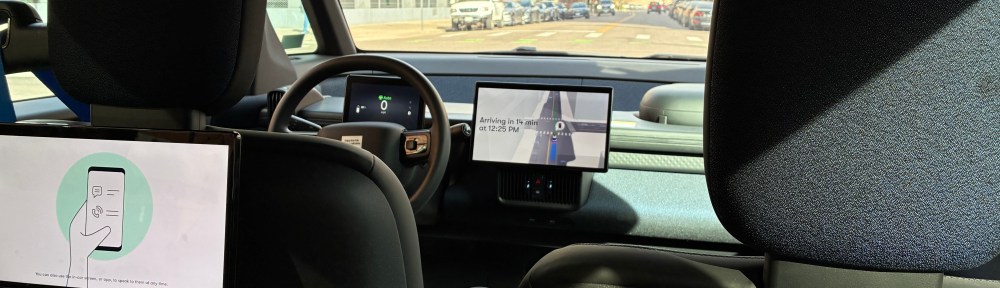
We went to Denver for Thanksgiving and, out of curiosity, decided to try Waymo for the first time. I wanted to see what it felt like to ride in a driverless car.
The process was convenient and user-friendly. We didn’t crash into any pedestrians or their dogs. We drove the speed limit, much to the chagrin of the other drivers. The robot didn’t get the memo that speed limits are suggestions.
I didn’t have a chance to try the amenities, such as selecting music. Maybe next time. I was too busy enjoying the novelty of sitting in a car with nobody behind the wheel.
After I posted a picture of my experience, a friend offered a different perspective.
“Waymo takes jobs away from drivers trying to make a living,” she said. “Besides, you might need a driver to assist you.”
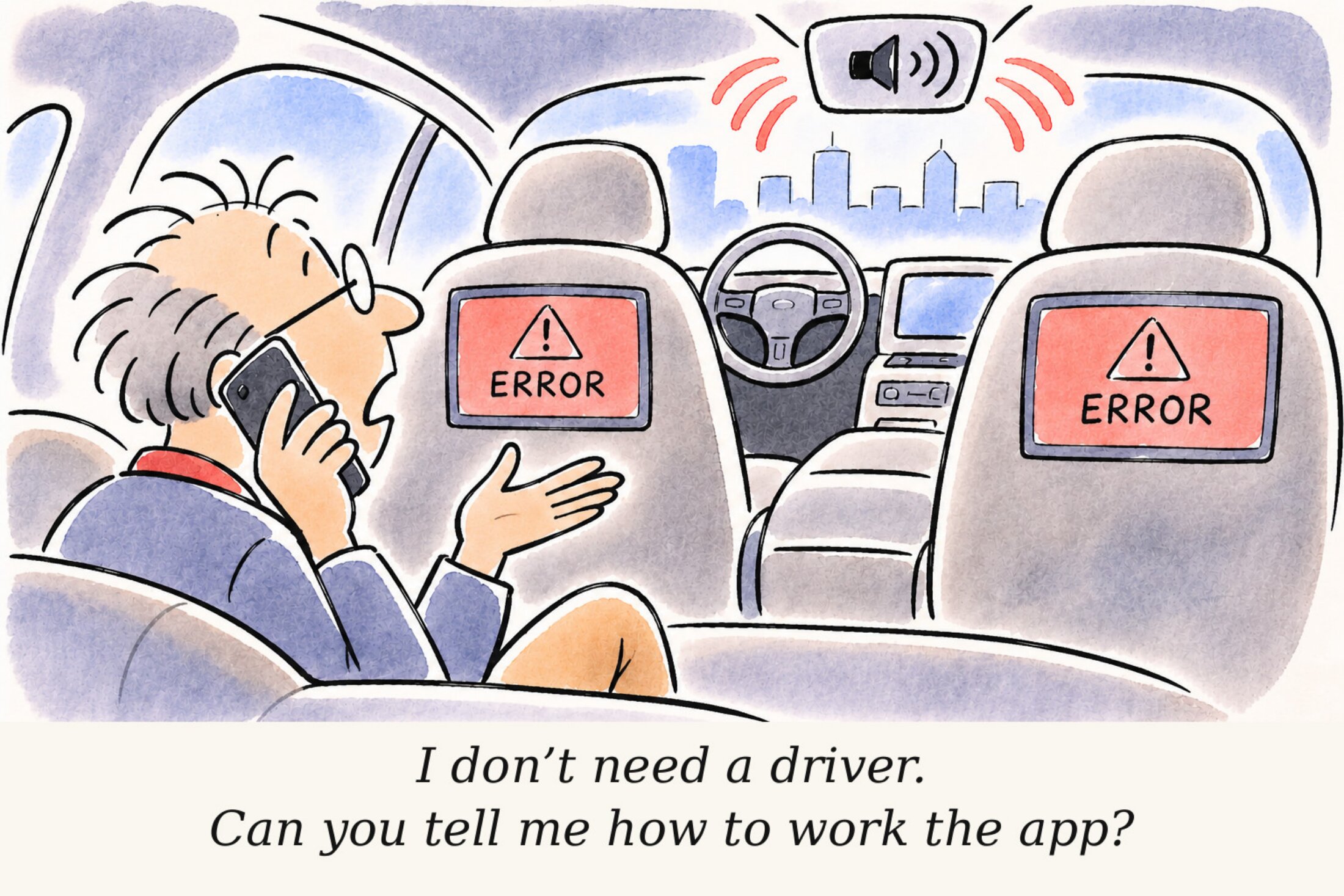
I hadn’t thought about that. What if I had a health emergency? The app gave me an option to call the Waymo operator. If the operator answered promptly, could they understand me?
As it happened, I did encounter a situation that required assistance. I thought I had entered the wrong address on the phone app. I asked the chat line for help, and it sent me an “adjustment” link in case I needed to alter the route.
I didn’t need to make the change after all, but it was reassuring to know that someone, or something, could help me sort it out.
I’m fairly tech-savvy. Not everyone is. I can imagine a Luddite getting into a driverless car, discovering the destination is wrong and having no idea what to do next. A human driver might be useful in that situation.
What about the drivers?
My friend’s concern raises a question about how many jobs Waymo displaces.
I don’t know.
A Waymo ride might replace a trip that an Uber or taxi driver would have made. It might also replace a bus trip, a walk, or a drive in someone’s own car.
The number of Waymo vehicles doesn’t tell us how many drivers have lost work. I read that Denver has 26 Waymo vehicles. Job loss could be 26.
Other jobs are involved in keeping a fleet of driverless cars on the road. Workers have to clean, charge, and maintain them. A representative has to answer the phone when a passenger can’t figure out where they’re going.
How many of those jobs are local, and do they pay enough to replace the income of a driver who no longer has passengers?
Those are questions worth asking.
Still, I don’t think analog transportation has much to worry about. There will always be people who prefer a human driver, or who need a person to help them get in and out of a car, or carry their groceries.
As a passenger, I’ve suggested a shorter route to a driver because I knew about construction delays, or pointed out when the app is taking them to the wrong address.
Waymo didn’t offer me a bottle of water. Uber drivers do. That’s a good analog benefit.
In the meantime, I’ll keep walking, driving myself, using other driver-assisted services like Uber and the bus. I might even take another Waymo.
Next time, I’ll try the music. If I can’t figure out how to turn it off, maybe the operator can send me a link to adjust it.

