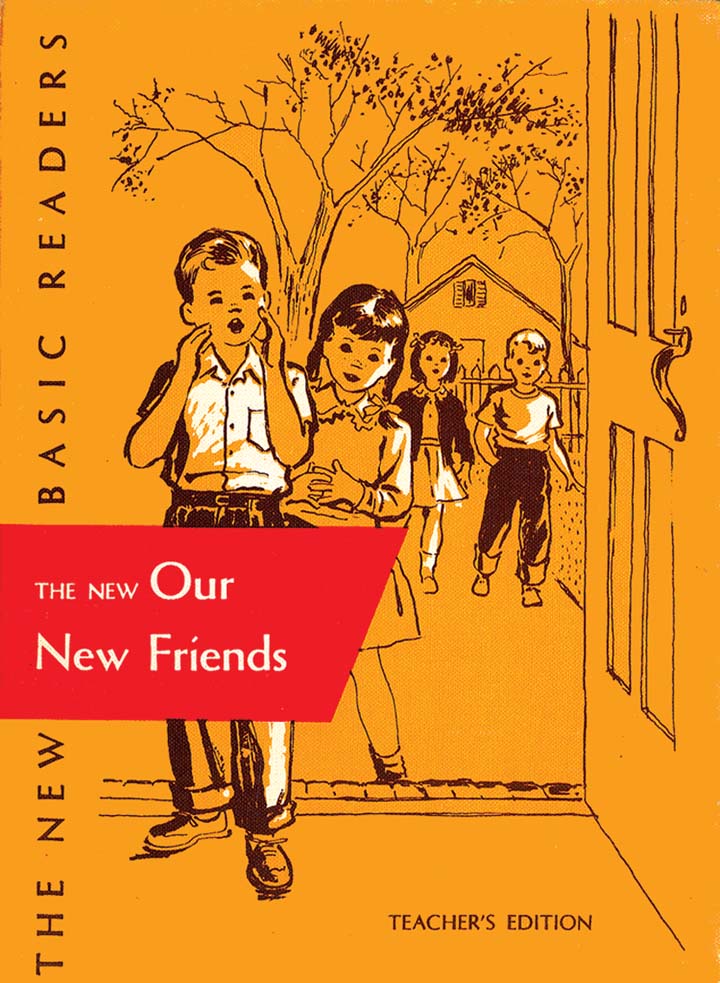
My first exposure to fiction.
Not being much of a reader, I had a hard time coming up with the list of books that had an influence on me.
I should list the books on my shelf that I have intended to read.
Had I been able to read non-fiction rather than that nonsensical Dick and Jane stuff, I would have become a better reader. I was always in the lowest reading groups in elementary school. It was a bit demeaning since the top readers were in the ‘eagle’ group while I was in the ‘sparrows’. As noted in this list, the books I have read are for some purpose, other than enjoyment, or getting lost in fictional worlds. I have a hard enough time in the real world, let alone fantasy.
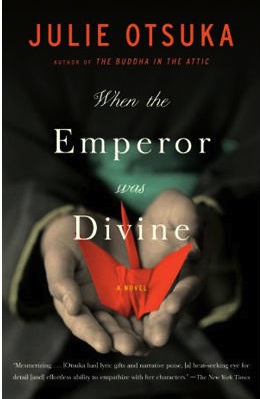
This was a book read by Boulder.
“When the Emperor Was Divine” by Julie Otsuka – This book was the Boulder “community book” selected a few years back. The book is about a Japanese – American family that gets split up with the father, who is thought to be a spy, is sent to one World War II relocation camp for the potential criminals and the mom, son and daughter get sent to another. I read it a couple times and ended up writing a screenplay from it, which reminds me that I need to get it out and tweak it. I’m still unsure of how to end it.
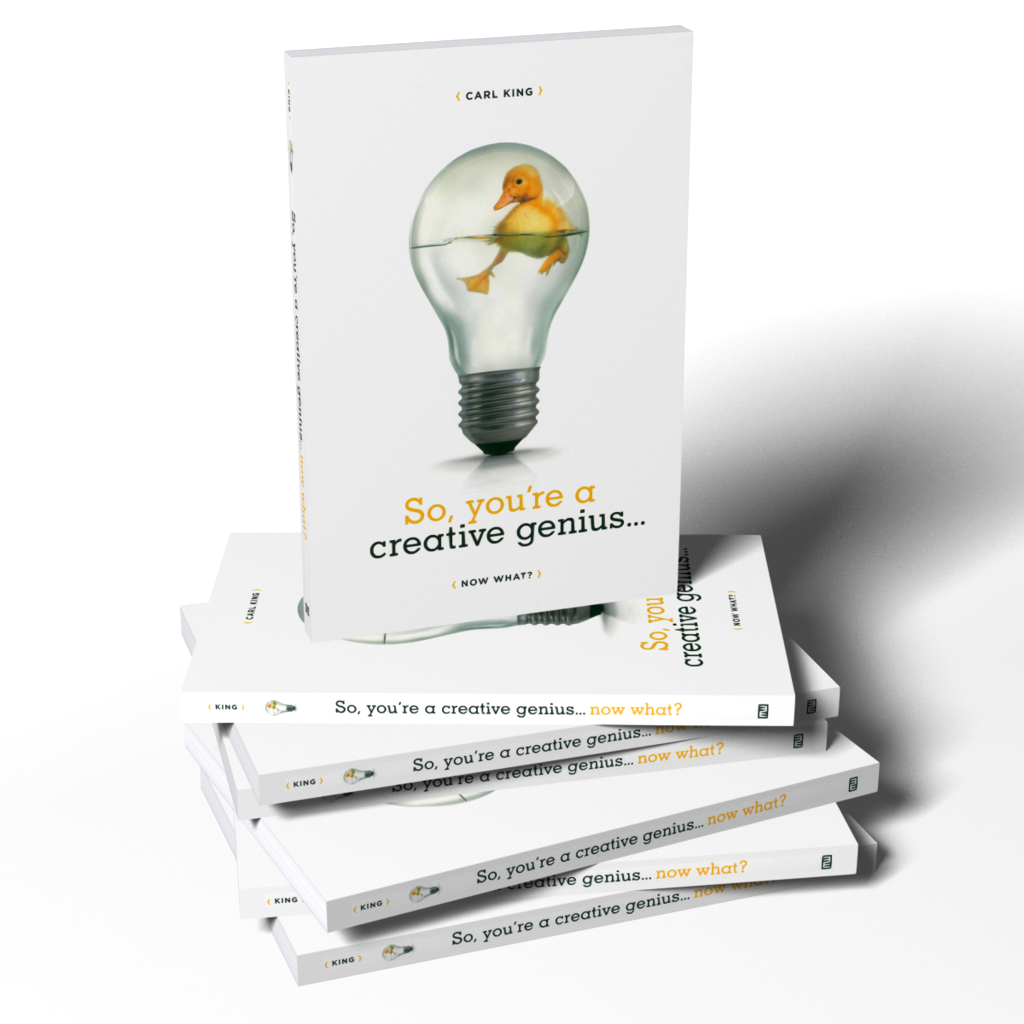
Insight for the creative introverg
“You’re a Creative Genius, Now What?” by Carl King – I think I learned of this book from a movie maker named Michael Wiese who is also a book publisher and published this book. He made a movie called “The Sacred Sites of the Dalai Lamas” that screened at the Boulder Asian Film Festival many years ago. I want to make a documentary about his approach, particularly suited to introverts, such as myself. I should follow up on that.
Tips from my favorite screenwriting critic
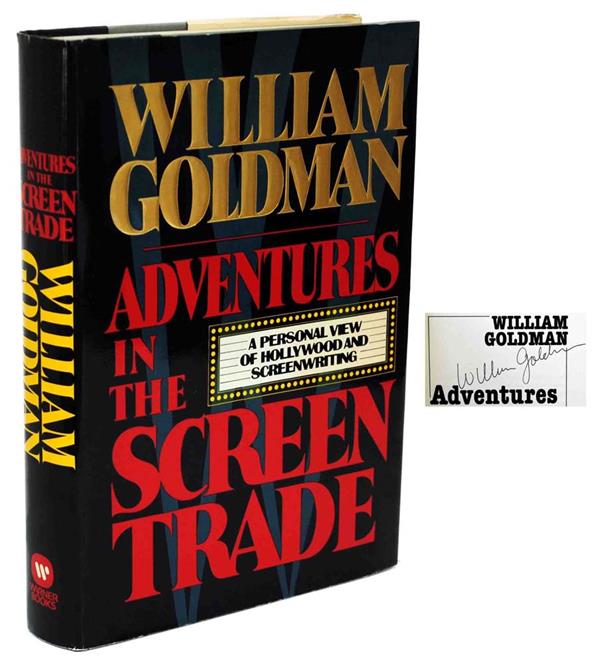
Tales by my favorite screenwriter.
“Adventures in the Screen Trade” by William Goldman – I started out in the movie business taking a Lighthouse Writers screenwriting workshop. I didn’t know much about the craft and watched movies while reading the screenplays. For not getting much direction, my first screenplay critique was pretty harsh, which is part of the business. It was a rewrite of a stage play “The Webster Street Blues” which is another project still in development. I produced it as a stage play at the Mercury Cafe in Denver. It was a fundraiser in the wake of the big tsunami that swamped Japan. A couple of my favorite movies, “Butch Cassidy and the Sundance Kid” and “Marathon Man” were written by William Goldman. If I read any fiction, I read screenplays rather than books.
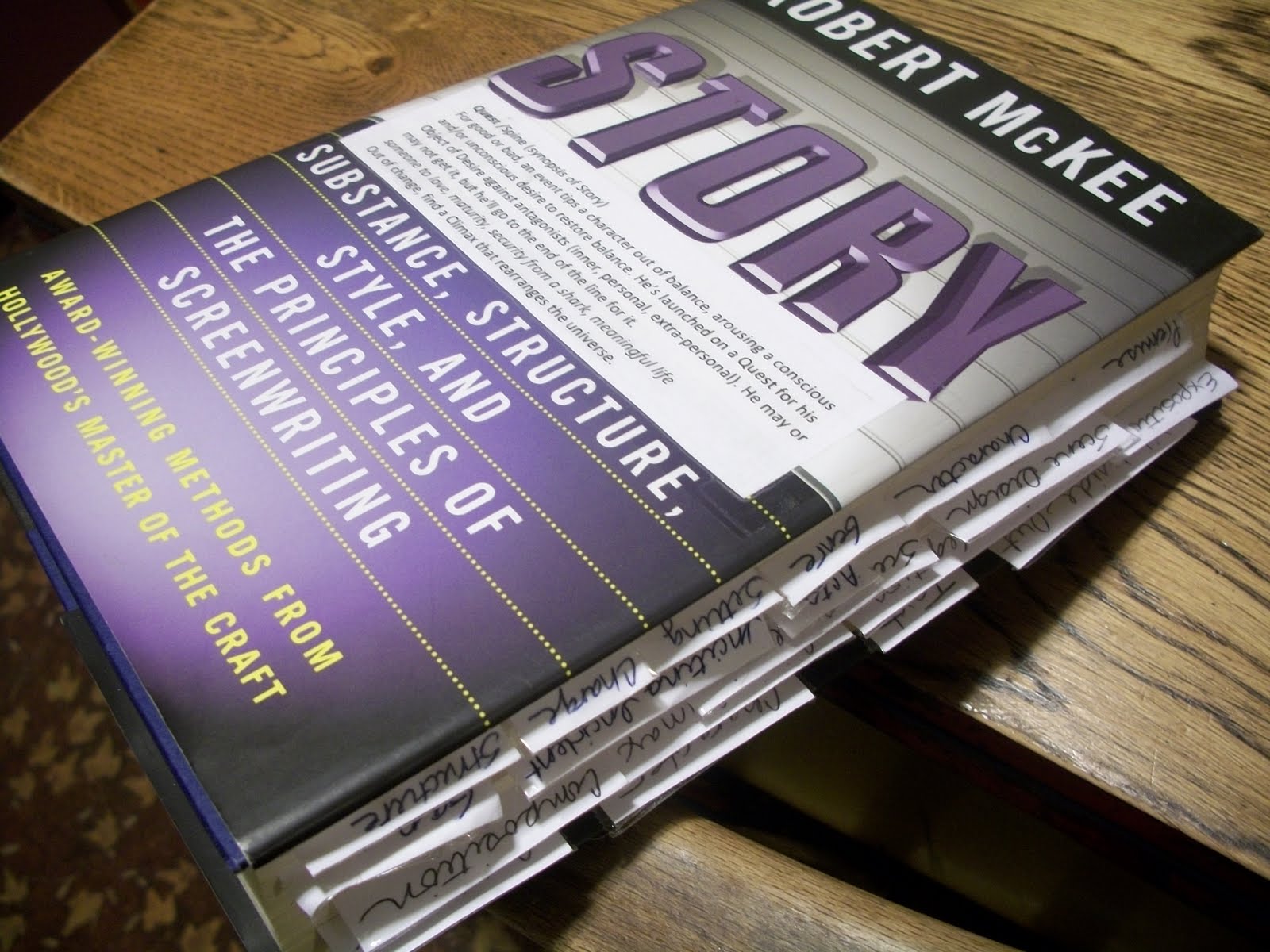
The screenwriting bible
“Story” by Robert McKee – I took a screenwriting class and had a hard time with the work flow. The workshop I was in seemed more like therapy for frustrated writers, some of whom didn’t ever finish one script over a couple years. After learning the basics of the craft, the first short I wrote won third prize in a contest. “Stardust” was the first movie I made when I was just learning as a volunteer at the public access TV station. I ended up traveling to New York and taking the “Story” screenwriting class taught by Robert McKee. It sounds odd, but this particular weekend event changed my outlook on life. I have read this book a couple times and still refer to it.
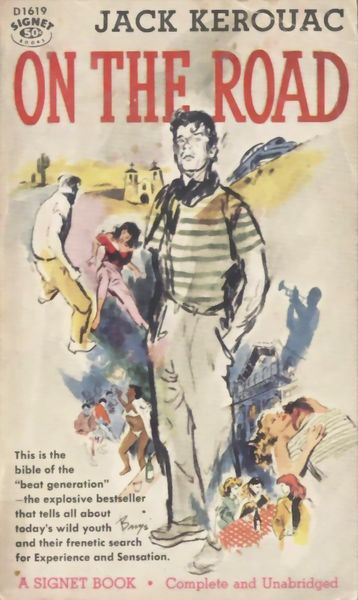
Inspired on of my short movies.
“On the Road” by Jack Kerouac – At the Denver Film Festival a few years back, I saw a short about the gas station in Longmont, Colorado where Sal Paradise (Kerouac) stayed after coming from Cheyenne on his way to meet Dean Moriarty (Neal Cassady) in Denver. I started the “Digital Scroll” project which has only one episode, that being a short docu-drama about Sal Paradise spending a night in Cheyenne during “Wild West Days (Cheyenne Frontier Days) on his way to Denver, via Longmont. Kerouac typed the original “On the Road” manuscript on a long piece of paper that consists of many sheets taped together. I was in Central City, Colorado yesterday and the next episode will be “On the Stage: Jack Kerouac in Central City. He and some friends spent some time hanging out with some of the opera players, I’m thinking at the Teller House after Fidelio played.
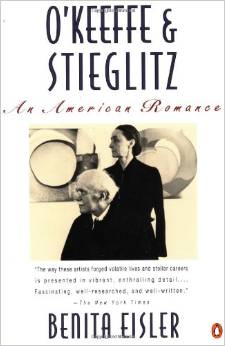
There isn’t a lot of information about Georgia O’Keeffe’s visit to Colorado.
“O’Keeffe and Stieglitz” by Bonita Eisler – While in Santa Fe, there was a book, maybe at the Georgia O’Keeffe Museum that had all the works of Georgia O’Keeffe. The book included all the paintings she made while in Ward, Colorado. That was the first “famous people in strange places” moment that incited a movie based on the sketchy information available about her stay. I picked up this book as reference for a short film about her vacation in Boulder County in the summer of 1917. It originally screened at the church in Ward. Next stop is a screening in Santa Fe.
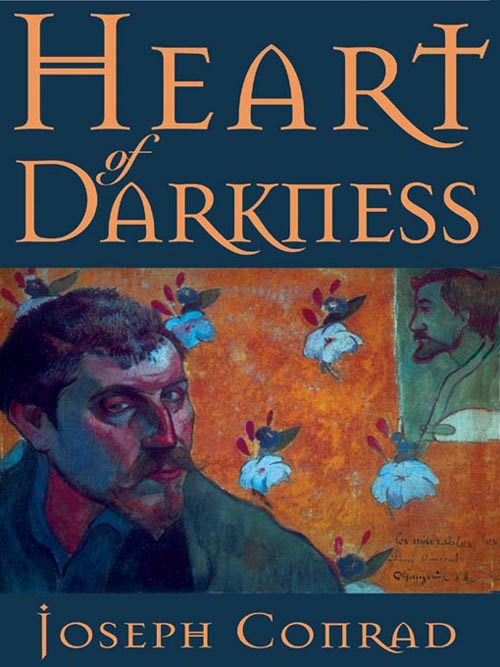
This was a book I read in a Books to Movies class in college.
“Heart of Darkness” by Joseph Conrad – I took a literature and film class at Hastings College taught by Sara Jane Gardner. It was the first exposure that I had to the nexus between movies and books. “Apocalypse Now’ is based on “Heart of Darkness.” Both have a first person narrative from the point of view of Marlow in the book and Willard in the movie. In the movie, Willard travels up the Mekong river in search of a Green Beret named Kurtz.
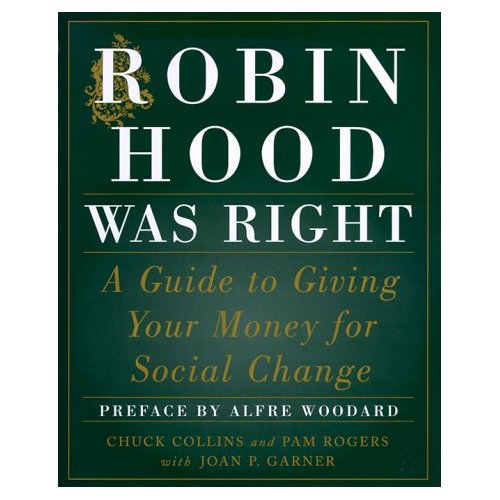
This was the first book written about funding social change.
“Robin Hood Was Right” by Chuck Collins and Pam Rogers – When I first moved to Colorado, I somehow became involved with the Chinook Fund, which is a community – based foundation that funds mostly activist organizations.I was on the board of directors with John Hickenlooper, who was a biermeister at the Wynkoop Brewery. He was one of the first guys I met while in Colorado. He’s now on to other pursuits. His most memorable antic was passing out orange and blue placards at a Broncos game protesting the Mile High Stadium name change when the Stadium Authority was selling naming rights. This is one of the handbooks about how to fund social change. It’s a book about the classic example, rather than giving a guy a fish, it’s better to teach him how to catch fish.
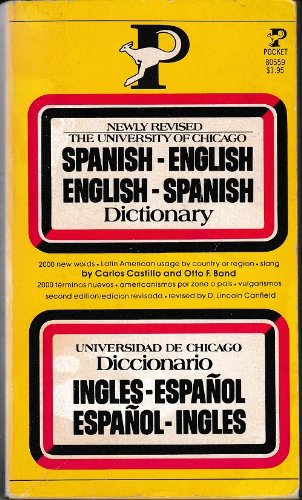
I wore a couple of these out during my sojourns to Mexico.
“Spanish Dictionary” by University of Chicago – I did business for eight years or so in the late 1990s to early 2000s in the small town of Sombrerete in the state of Zacatecas in north central Mexico. Contrary to popular belief, English is not a very common language in most parts of Mexico, particularly in rural places like Sombrerete. This is the only book that I have worn out to the point that I had to get a new one. There are many Spanish – English dictionaries out there. I don’t know why I settled on this one.
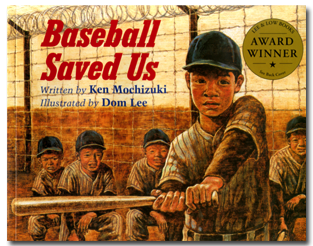
A good children’s book introducing the topic of racism.
“Baseball Saved Us” by Ken Mochizuki – There used to be a group called “Reading to End Racism.” Community members would go into the school classroom and read a book to the students and have a discussion about it with them after. The book I generally read was this one about a baseball team that formed at a Japanese – American war relocation camp as a diversion during captivity. Oscar winner Chris Tashima (“Visas and Virtues”) made a short movie also about baseball in camp called “Day of Independence.”
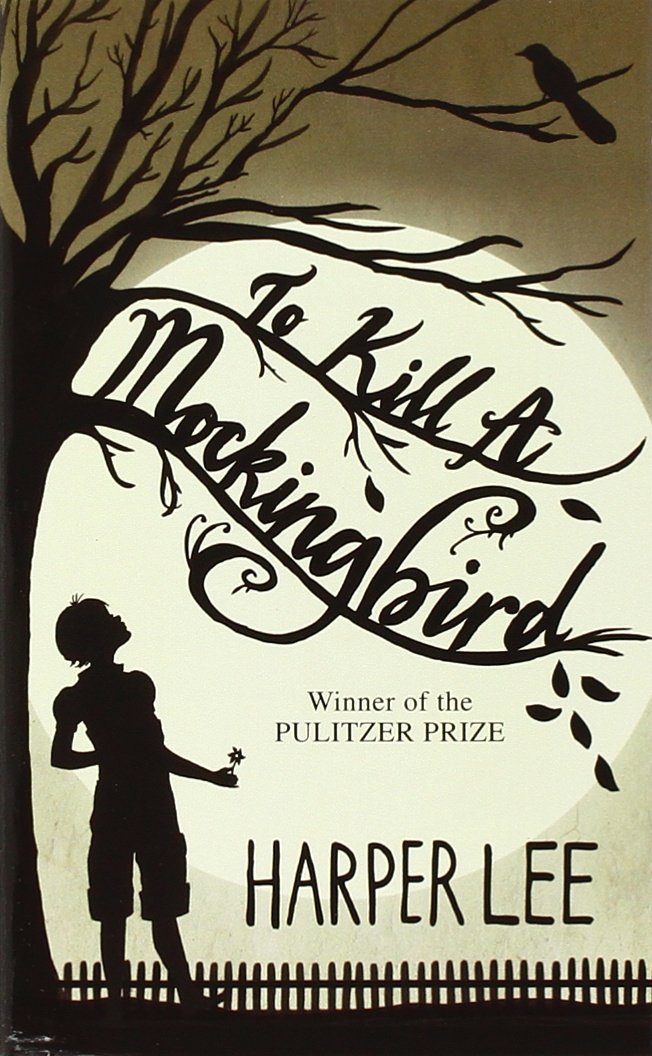
One of the few books I read in high school, which did have a big impact on me.
“To Kill a Mockingbird” by Harper Lee – I had to include one book that I read in high school. This book was one of the first novels that confronted racism and I read it cover to cover. I was in high school from 1969 to 1971 and it was very topical. I related to the Scout character. I thought the movie with Gregory Peck stuck pretty close to the book. The other book I sort of remember is “Billy Budd” by Herman Melville.
There you have it.
Based on my list, they are books which are purposeful and most were read as an adult. Turns out, I’m more of a doer than reader.
Like Will Rogers said, “There are three kinds of men. The one that learns by reading. The few who learn by observation. The rest of them have to pee on the electric fence for themselves.”
 Views from Behind the Lens