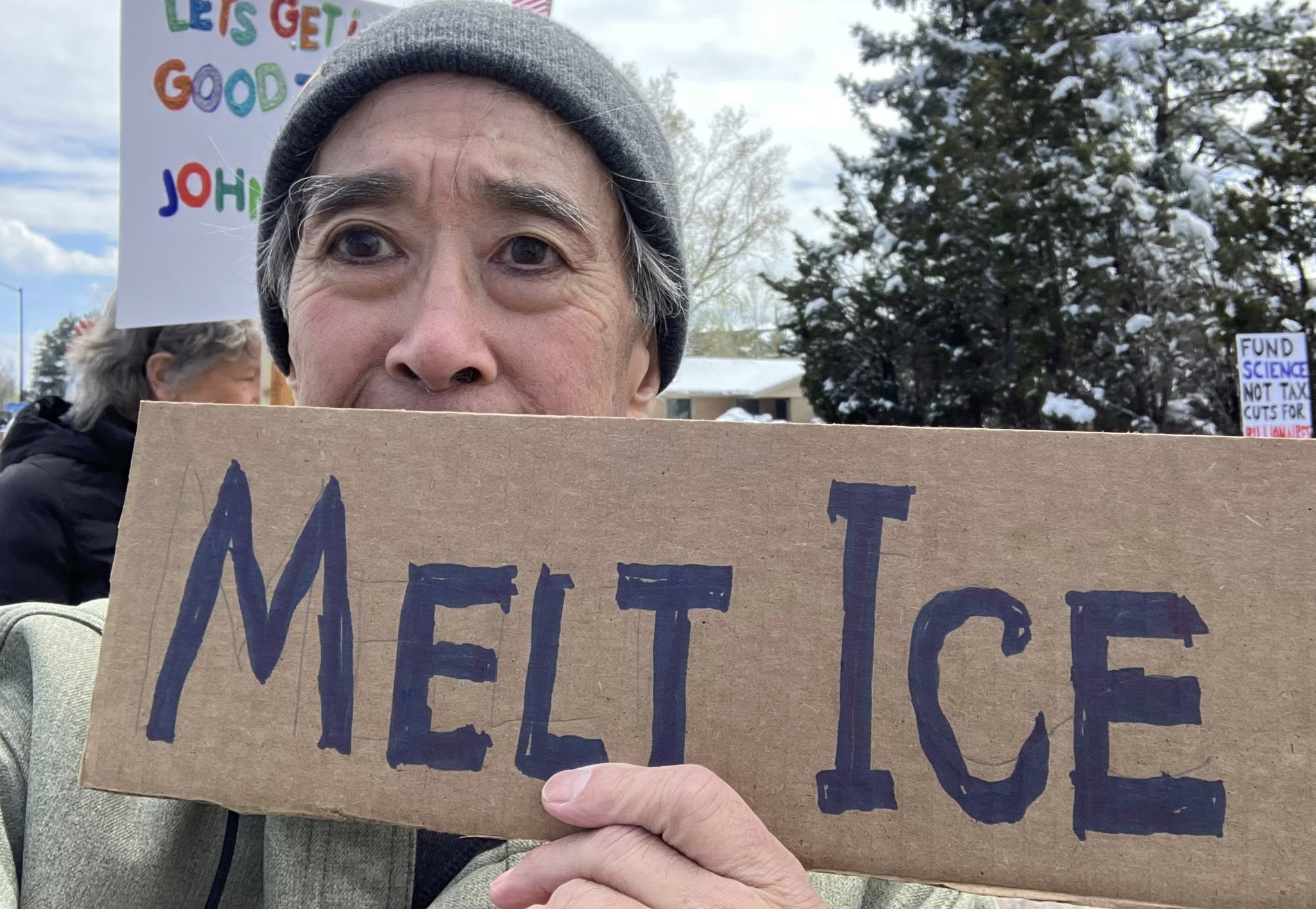
Today, I attended the “No Kings” march. The crowd seemed smaller than at previous demonstrations I’ve attended, but the messages on the posters stayed the same. Signs scattered throughout the gathering condemned ICE, challenged its tactics, demanded accountability, and called for the agency’s abolition.

Those signs got me thinking about how we arrived at this moment and whether we’ve learned anything from our history.
Controlling borders and regulating immigration are legitimate government responsibilities. How we carry out those responsibilities matters. An immigration system that separates families, instills fear in communities, and treats people as security threats before considering their individual circumstances deserves more than a budget increase and a political talking point.
It deserves a fundamental rethink.
How We Got Here
Immigration enforcement in the United States didn’t always work the way we know it today.
The U.S. Customs Service dates to 1789, when the federal government needed to collect tariffs and generate revenue. The Immigration Act of 1891 established a centralized federal role in immigration control. The following year, Ellis Island opened as a major immigration inspection station. Congress created the U.S. Border Patrol in 1924 to police land borders between official ports of entry.
In 1933, the government consolidated immigration functions into the Immigration and Naturalization Service (INS). In 1940, the agency transferred to the Department of Justice and administered legal immigration and naturalization while enforcing immigration laws and deporting people who violated them.
That arrangement had its shortcomings, but it recognized that immigration involved more than enforcement. People applied for citizenship. Others faced removal proceedings.
Then came September 11, 2001.

In the aftermath of the terrorist attacks, Congress passed the Homeland Security Act of 2002. The government dismantled the INS and transferred its functions, along with those of the U.S. Customs Service, into the newly established Department of Homeland Security.
By 2003, three agencies had taken shape:
- U.S. Customs and Immigration Service (CIS), responsible for administering lawful immigration and citizenship applications.
- Customs and Border Protection (CBP), responsible for border security and enforcement at ports of entry.
- Immigration and Customs Enforcement (ICE), responsible for interior immigration enforcement, detention, deportation, and certain criminal investigations.
The restructuring reflected a new national security environment, placing immigration enforcement within a department built to protect the country from security threats.
Crossing a border unlawfully is not automatically the same thing as posing a threat to national security. Yet the post-9/11 framework embeds immigration enforcement within a broader security system, where the tools, priorities, and institutional culture emphasize apprehension and removal over the circumstances of individual people.
We should be asking whether that approach serves the country today.
Reagan, IRCA, and a Different Approach
Immigration reform wasn’t always the political third rail it has become.

In 1986, President Ronald Reagan signed the Immigration Reform and Control Act (IRCA). The law provided a path to legal status for approximately 2.7 million undocumented immigrants who met its eligibility requirements, including continuous residence in the United States since January 1, 1982.
Reagan understood that millions of people had already established lives here. They worked, raised families, paid bills, and contributed to their communities. Removing everyone who lacked legal status would have been an enormous undertaking, with consequences extending far beyond the individuals targeted.
IRCA offered a compromise. It combined legalization for eligible immigrants with employer sanctions for hiring unauthorized workers and increased resources for immigration enforcement. The legislation was imperfect, and its enforcement provisions created their own problems. Nevertheless, it demonstrated that a conservative president and a bipartisan Congress could acknowledge an uncomfortable reality: an immigration system that ignores the lives people have built here will never resolve the problem simply by ordering them to leave.
I have a personal reason for thinking about that history.
The Tanaka Farm: A Local Lesson in Immigration Policy
Near Longmont, the history of the Tanaka Brothers Farms offers a revealing local chapter in the complicated relationship between agriculture, immigration, and federal policy.

The Tanaka family’s agricultural story stretches back through the experiences of Japanese Americans who built lives and businesses in Colorado, including people whose families endured incarceration during World War II. The family’s farming operation relied on immigrant labor.
IRCA’s employer-sanctions provisions eventually extended to agricultural employers, bringing new compliance obligations to an industry dependent on seasonal labor. By the early 1990s, the Tanaka Brothers Farms operation had entered bankruptcy proceedings.
The timing invites questions about how immigration policy, labor requirements, agricultural economics, and the treatment of farmworkers intersected. It does not, by itself, establish that IRCA caused the farm’s collapse. That history deserves a closer look at the evidence, the decisions, and the people who lived through the consequences.
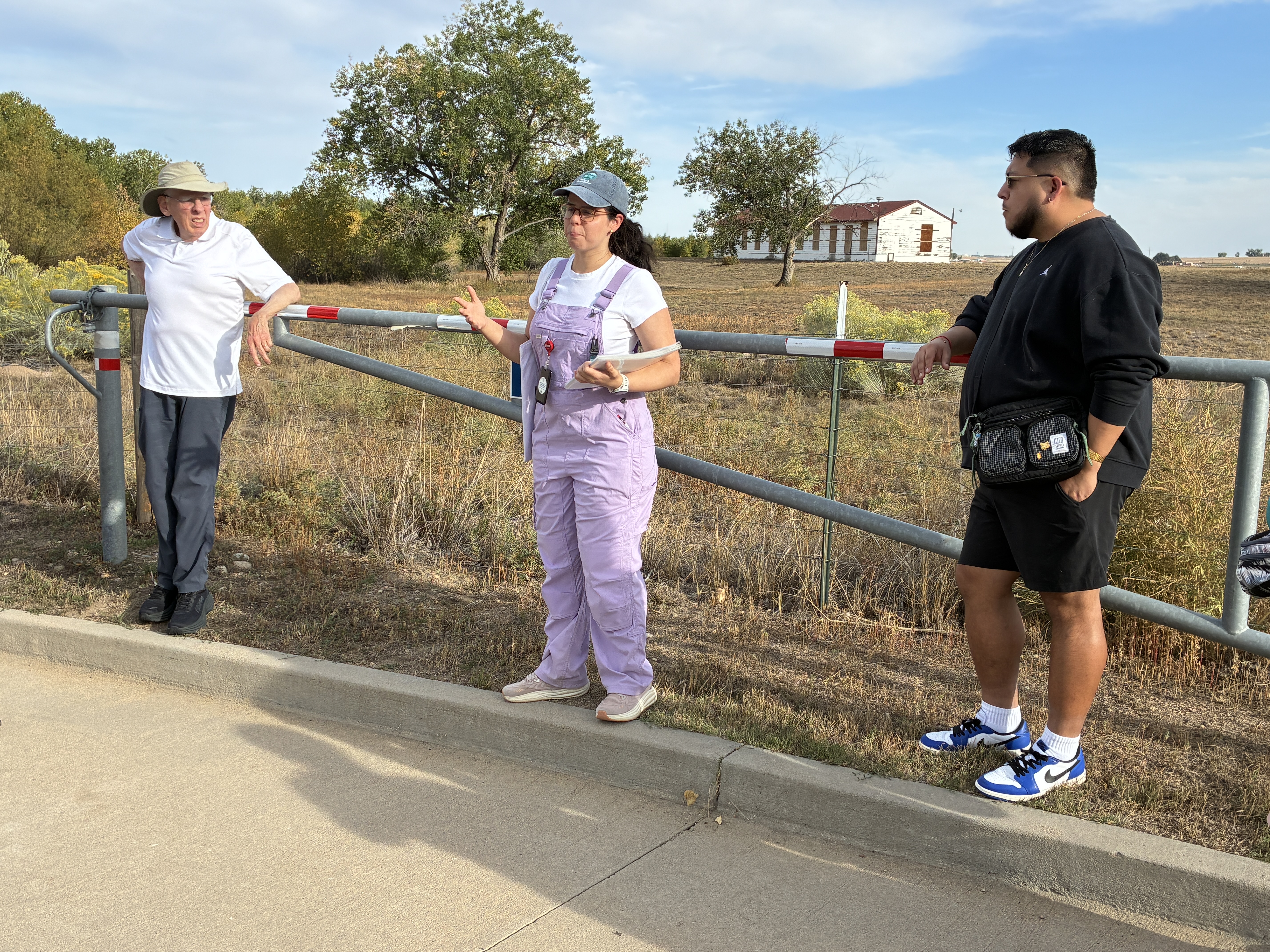
I’m pursuing those questions in a book and documentary project that examines the Tanaka farm and the larger agricultural history of the Boulder-Longmont area, including the Japanese American community, migrant labor, and the forces that shaped who worked the land—and who ultimately benefited from it.
Local history can reveal what national political arguments often obscure. Immigration policy doesn’t exist in a vacuum. It reaches into fields, workplaces, families, and communities, with consequences that can last for generations.
Where Do We Go From Here?
Today’s turnout may have been smaller than I expected. That doesn’t make its message less urgent. Public attention comes and goes, but federal enforcement policies continue to affect people’s lives long after demonstrators return home.
We need to distinguish between enforcing immigration law and treating enforcement itself as the ultimate goal.
An alternative would preserve legitimate border controls while establishing clear limits on enforcement powers, meaningful independent oversight, due process, and humane treatment. It would create workable legal pathways for people with deep roots here, meet the demand for immigrant labor, and let employers and workers comply with the law without turning entire communities into targets.
We should also ask whether ICE, as currently structured, is the best way to accomplish those objectives. No federal agency deserves immunity from scrutiny because Congress created it, presidents reshaped it, and changing political priorities gave it new missions.
What government builds, government can change.
Reagan’s IRCA compromise reminds us that immigration policy need not be a choice between unrestricted entry and mass deportation. The history of the Tanaka farm reminds us that federal decisions can have consequences far beyond the halls of Congress and the headlines of the day.
The “No Kings” march reminded me that government derives its authority from the people. That principle must mean more than showing up with a sign once or twice a year. It means insisting that government agencies remain accountable to the public they serve.
If our immigration system produces fear without lasting solutions, divides families without addressing the forces that draw people here, and consumes public resources without resolving the problems it was created to solve, then defending the status quo is not responsible governance. It is a refusal to learn.
We can secure our borders without abandoning our humanity. We can enforce laws without treating every undocumented person as a threat. And we can demand accountability without pretending that the only choices are to accept the system as it stands or abolish every form of immigration enforcement.
That work shouldn’t end when the march ends.