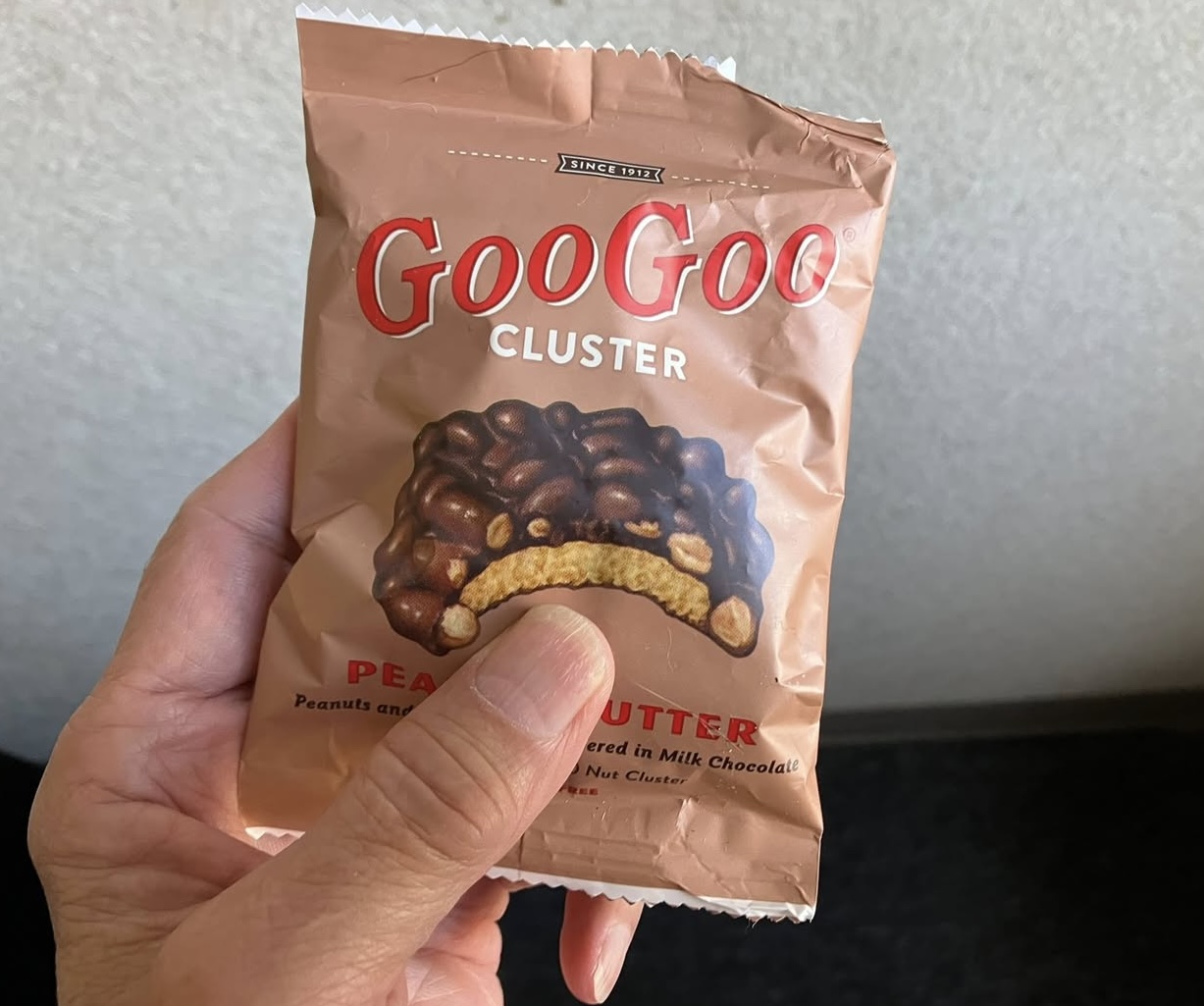
I wandered through the Rocket Fizz candy store today, looking for a Goo Goo Cluster. On the way out, a shelf packed with Japanese candy sidetracked me.
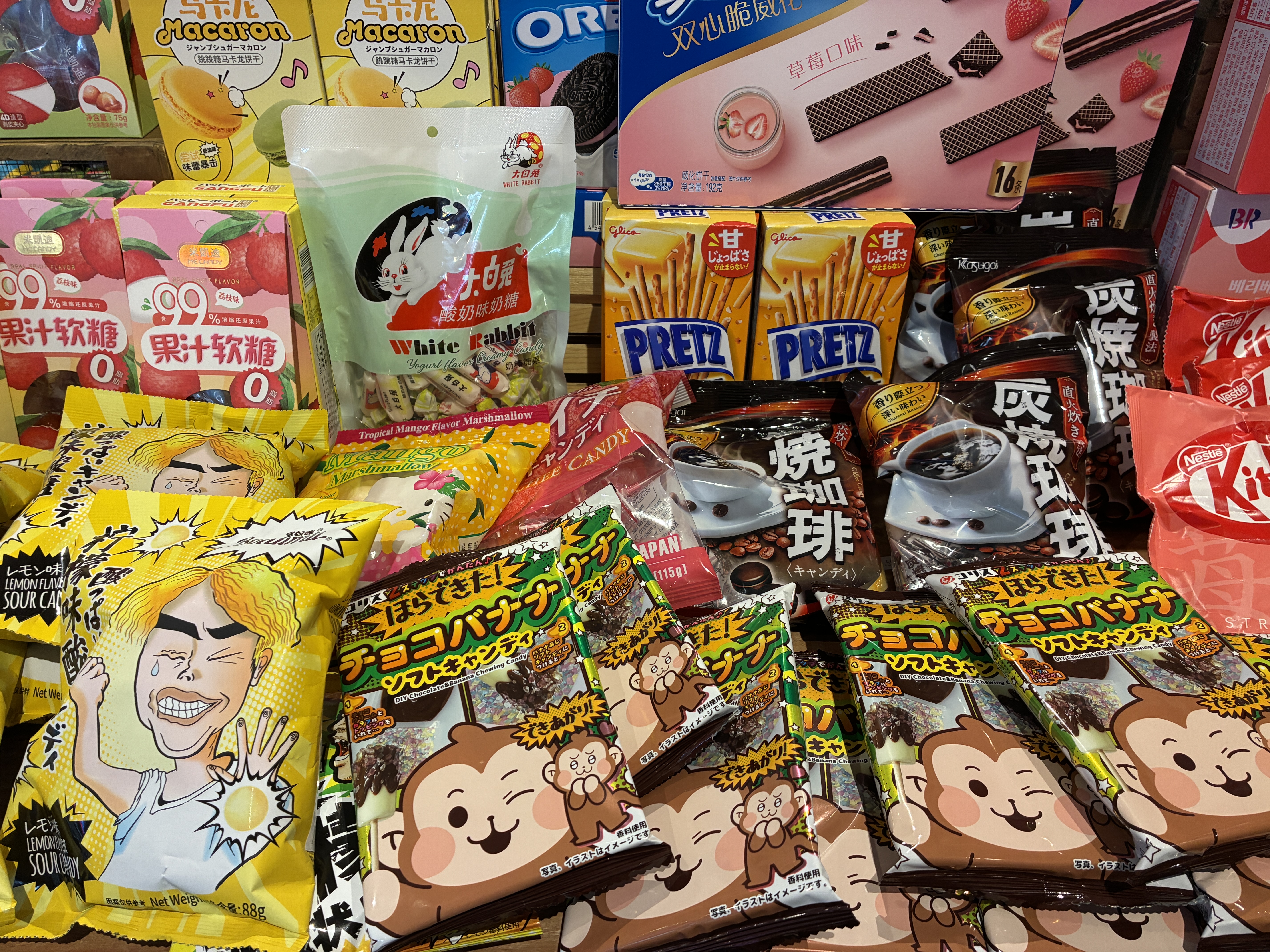
Matcha Kit Kats.
Pocky.
Gummies in flavors I can’t pronounce.
A few days ago, I read about a Japanese convenience store opening in Longmont, Kawaii Conbini.
Part of me smiles.
Another part of me wonders, “What happened?”
I’m Japanese American. Growing up, my Nisei parents did not celebrate being Japanese. They tried not to attract attention to it.
America had spent years teaching them that being visibly Japanese was dangerous.
My parents belonged to the generation shaped by World War II and its aftermath. The U.S. government code led Americans to believe that the Japanese should be viewed with suspicion.
More than 125,000 people of Japanese ancestry were forced from their homes and sent to incarceration camps.
The lesson my parents learned was straightforward.
Speak English.
Don’t make waves.
Don’t draw attention to yourself.
Don’t give anyone a reason to see you as different.
The result was cultural amnesia.
The Japanese language disappeared from my house. Traditional customs faded. My parents encouraged me to become as American as possible.
I remember a time when Japanese food was considered strange. Sushi was exotic. Anime was niche. Asian products occupied a tiny corner of specialty stores. I packed my lunch when I was in junior high school. I never included maki sushi or teriyaki chicken, two of my faves to this day.
Today, the situation is the reverse.
Sushi is sold in supermarkets. Anime fills Comic-Con events. Japanese video games dominate popular culture. Japanese cars became symbols of quality and reliability.
People seek out Japanese knives, Japanese whiskey, Japanese electronics, and Japanese candy.
What changed?
The generations that fought World War II are largely gone. For younger Americans, Japan is not associated with wartime enemies. It is associated with technology, design, food, entertainment, and innovation.
Another factor is globalization.
When I was growing up, culture moved slowly. Today, a teenager in Wyoming can watch the same anime series as a teenager in Tokyo. A TikTok video featuring a Japanese snack can reach millions of viewers overnight. The world has become smaller.
That’s how I learned about Goo Goo Clusters. When I was in Nashville for a cohousing conference, I tried the caramel-peanut-chocolate candy for the first time. Prior to 1912, candy consisted of one ingredient. A Goo Goo Cluster was the first to combine a variety of ingredients.
America has changed, too.
The old expectation was assimilation. The goal was to become indistinguishable from everyone else.
Today, there’s a greater appreciation for cultural diversity. Americans are curious about differences rather than fearful of them. Food, music, language, and traditions once viewed as foreign are now opportunities to learn something new.
That doesn’t mean prejudice has disappeared. It hasn’t.
There’s been a shift, and the irony is impossible to ignore.
My parents grew up in a world where being Japanese made you a target. Today, consumers seek out Japanese products.
The candy aisle at Rocket Fizz may seem trivial, but standing there, I couldn’t help thinking about the cultural journey.
Maybe that’s progress, or a reminder that cultures survive when people are pressured to set them aside and wait for a new generation to rediscover them.
As I looked at those shelves of Japanese candy, I thought about my parents.
They spent much of their lives trying not to stand out.
I wish they could have seen a day when the once suspicious stood in line because they wanted a taste of what being Japanese had to offer.
Rocket Fizz did carry Goo Goo Clusters, but it was an expensive gift pack. I’ll wait to get one the next time I’m near a Cracker Barrel.

