
A braille credit card and a season in a wheelchair changed how I see the world
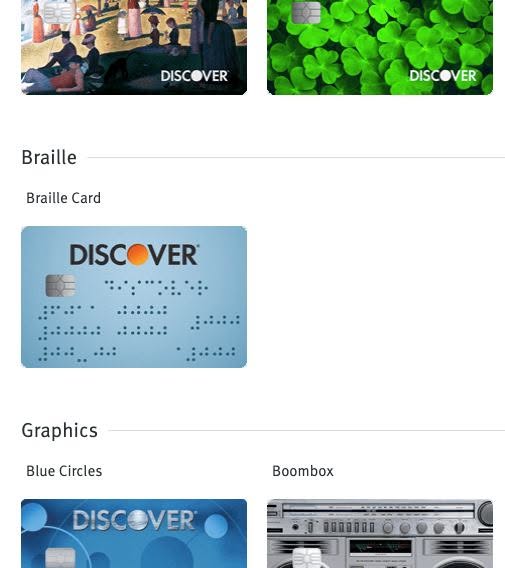
When my Discover card expired, the company offered several replacement designs. I could choose a cat, a dog, flags, business logos, and a bunch of others.
Instead, Braille caught my eye.
The funny thing is, I can’t read Braille.
When the card arrived, I ran my fingers across the raised dots and realized they were completely meaningless to me. Embedded on that card is information that someone who is visually impaired could understand immediately. To me, it might as well be Morse code.
At first, I thought my new card was a novelty. Then I started thinking about all the Braille I’ve encountered over the years.
The elevator in the building where my office is located has Braille on every button. I’ve never knowingly shared the elevator with someone who was blind or visually impaired, but I’m sure I have. Most of us don’t notice accessibility features because we’re not the people who need them.
At least that’s what I used to think.
Twelve years ago, I had a medical emergency that left me hospitalized and then in rehabilitation. For about two months, I depended on a wheelchair and a walker.
Suddenly, the world looked different.
I became aware of every curb, every step, every narrow doorway, and every inaccessible entrance. Ramps and their location became important.
What I discovered was that retrofitted ramps weren’t designed into buildings. The accessible entrance was around the side, down an alley, or at the far end of a parking lot. While able-bodied people walked straight to the front door, people using wheelchairs, walkers, scooters, and canes had to travel farther to get to the same destination.
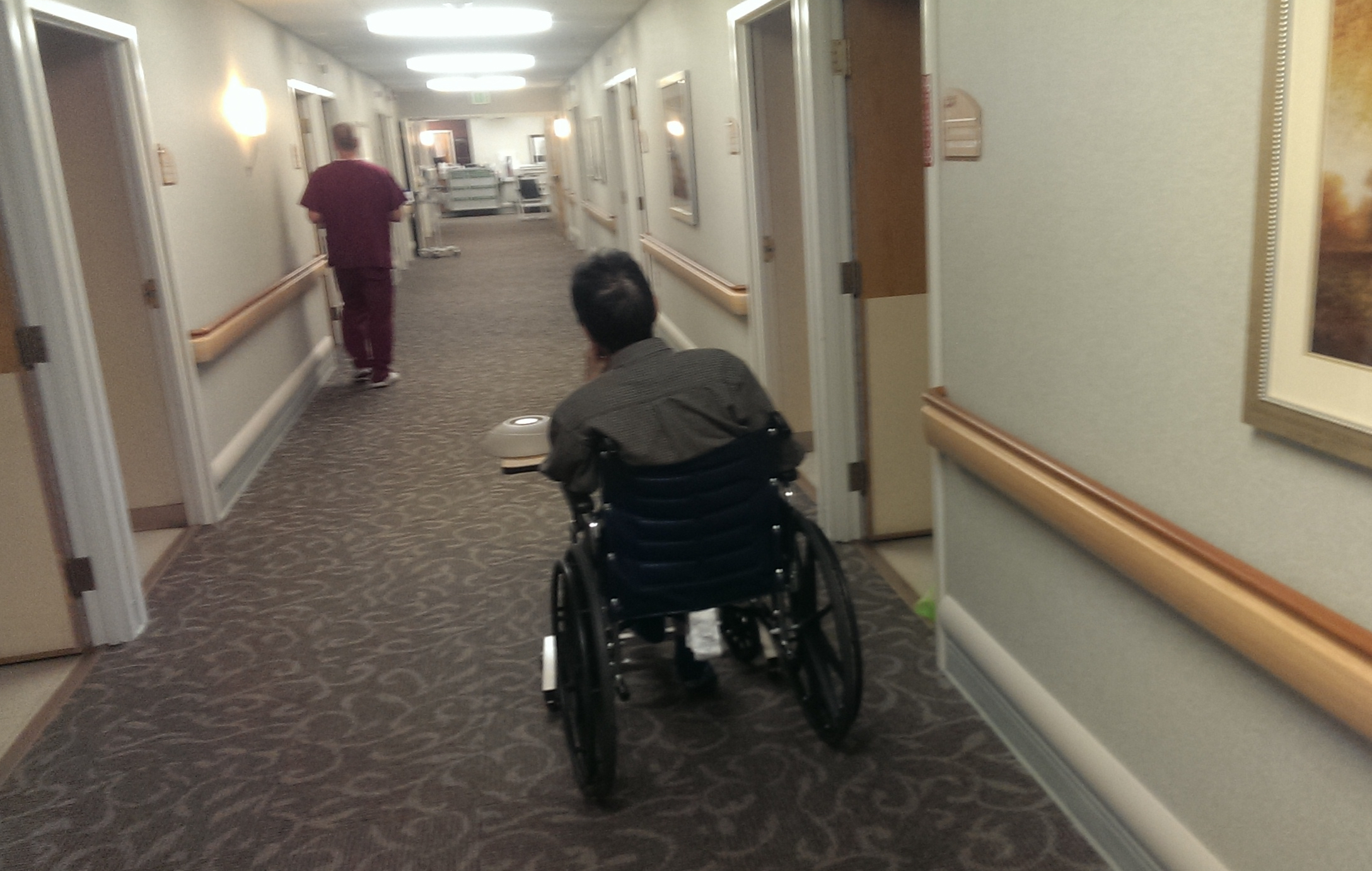
I noticed things I had never paid attention to before.
Even today, I find myself looking for ramps. Once you’ve spent time navigating the world from a wheelchair, it’s difficult not to notice how much extra effort accessibility can require.
That’s why I find my braille credit card strangely meaningful.
The raised dots don’t help me make a purchase or tell me anything I can understand, but they remind me that the world includes people whose experiences are different from mine.
Accessibility is about accommodations for a small group of people and about recognizing that all of us move through life differently. At one time, I was young and healthier. Then I recovered from surgery. Temporary conditions become permanent.
The truth is that accessibility isn’t for “other people.” Given enough time, it becomes relevant to all of us.
The Braille on my credit card serves a practical purpose for someone who cannot see. For me, it serves as a reminder that thoughtful design matters.
Inclusion is invisible until you need it, and a reminder that every person deserves the dignity of navigating the world independently.
Maybe I should learn to read Braille. Not because I expect to lose my sight anytime soon, but because understanding another person’s experience is never a wasted effort.
When I pull that card from my wallet, I run my thumb across those raised dots and think about the ramps, elevators, curb cuts, and countless other accommodations that most of us pass by without noticing.
They’re reminders that a community works best when it works for everyone.

