Raymond Notaro grew up in Clinton, Massachusetts, a small town (Pop. 15,000) with a blue-collar character and, as he describes it, a rougher edge. He and I come from different generations, but our conversations kept bringing us back to a familiar place: the experiences that shape us may look different across generations, yet the lessons learned remain the same.
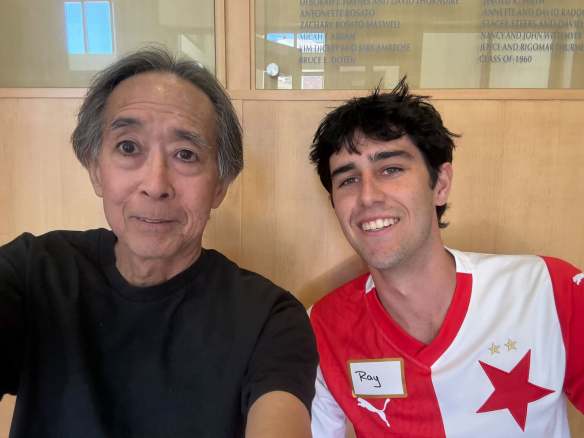
Our intergenerational writing class is exploring “The Pursuit of Happiness.” Twenty University of Colorado upperclass students each pair up with 20 community members. We do some in-class writing in response to prompts, then discuss what comes to mind.
When Ray and I compared our similar interpretations of Maslow’s Hierarchy of Needs, I wondered whether happiness might have less to do with climbing toward the top than with figuring out when we have enough.
We’re both pursuing happiness. Ray figured out what took me seven decades to learn.
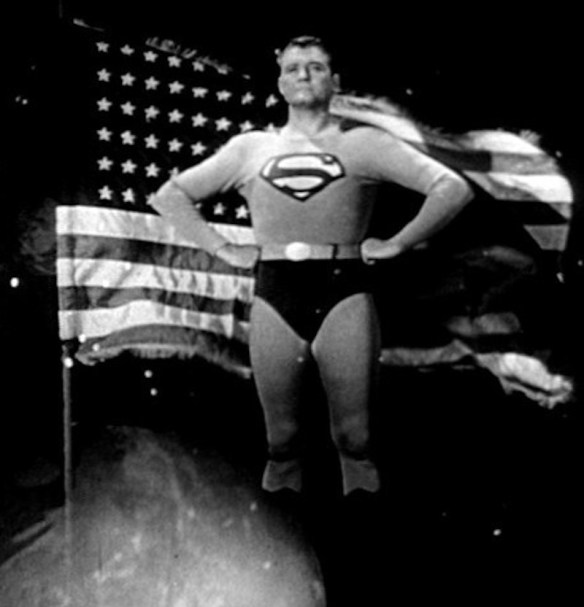
At 73, I’ve spent a lifetime wandering Superman’s American Way. You know, “faster than a speeding bullet, more powerful than a locomotive,” bigger is better than weaker, richer is better than poorer, winning is better than losing as we fight for “Truth, Justice, and the American Way.”
Ray approaches Maslow from a different direction. Fifty-two years younger than me, Ray has a head start on minimalist happiness. He describes self-actualization as meeting his physiological and safety needs and doesn’t need to climb any higher.
“Give me a granola bar, a bottle of water, a place to sleep, and I’m good,” he told me. Ray likes to camp. He recounted a recent outing to the Bridger-Teton National Forest. “We didn’t think about going to Grand Teton National Park or Yellowstone.”
I worked, accumulated possessions, collected baseball cards, and filled my days with the ordinary stuff of life, wondering if I needed more. I thought of self-actualization as a point in life I would reach through experience, accomplishment, and accumulation. Like many Americans, I’d spent decades adding layers to my life.
Now I’m peeling them away.
Ray won’t have layers to shed.
After being reminded how a 1,000-year flood or an urban wildfire can wipe out the material aspects of life, Swedish death cleaning has become part of my routine. I’m sorting through possessions, simplifying my surroundings, and reconsidering what I need to get by. I’m a regular on Facebook Marketplace.

Meeting with Ray reinforced my downward slide and my happiness in the basics: physical needs, safety, and striving for the Dalai Lama’s notion of nothingness.
I accumulated far more than I ever needed. I’ve been letting go.
I envy Ray.
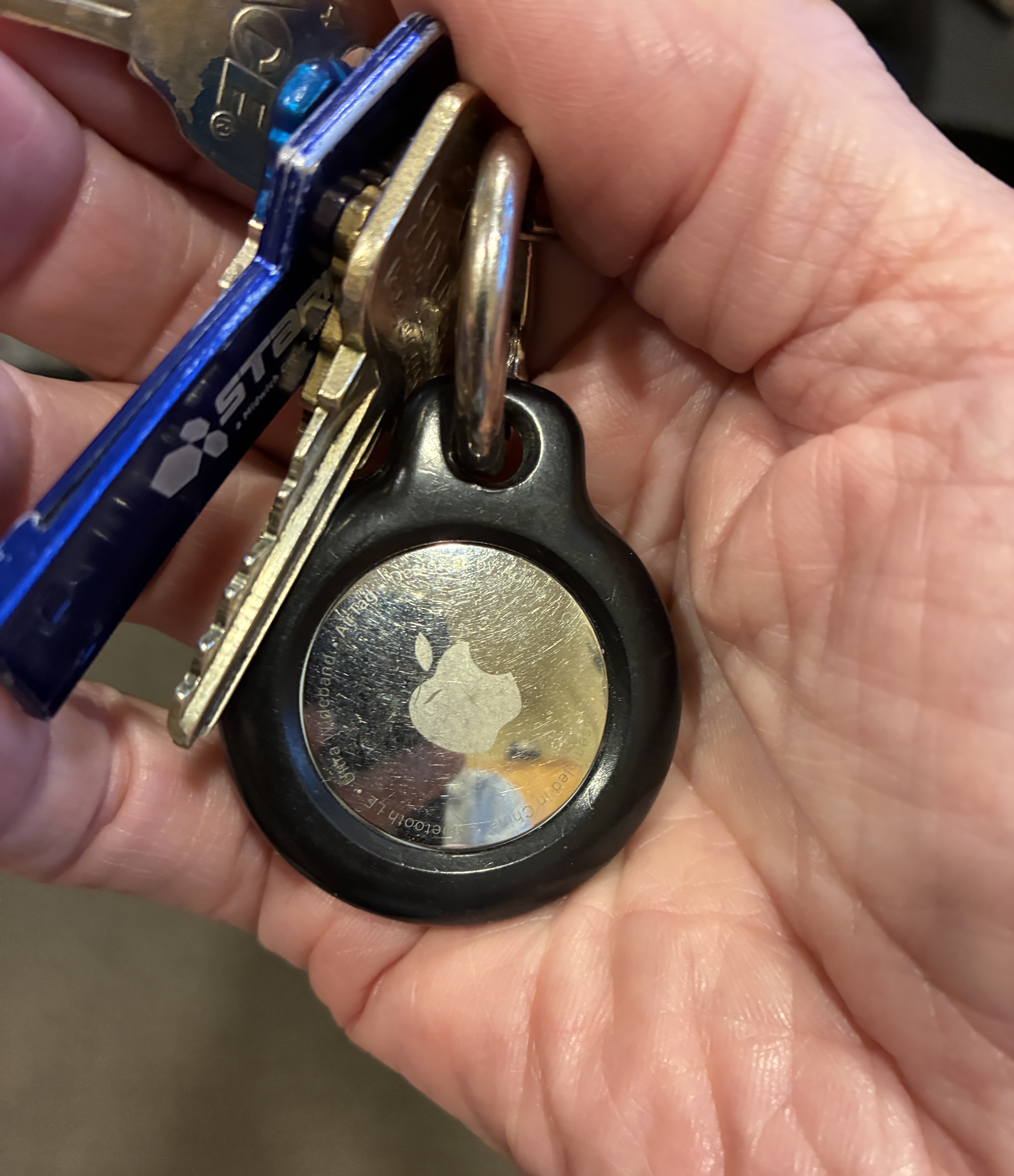
“I’m majoring in International Relations.” He has studied in Germany and wants to visit every country. He showed me a metal ring with charms his mother gave him from the 21 countries he’s visited. “I want a job that allows me to travel. I’m filling out an application to study abroad again.”
Ray’s happy to claw his way toward the middle of Maslow’s hierarchy, laying the foundation for a life that doesn’t require much more than enough to create meaningful experiences.
I made it to the top, but I had to stop.
I ran out of time.
Ray hasn’t, and he’s not wasting his.
Our paths look different, but we’re heading toward a similar understanding of happiness. Ray is building a life around having just enough. I learned that my enough is too much after a lifetime of wanting more.
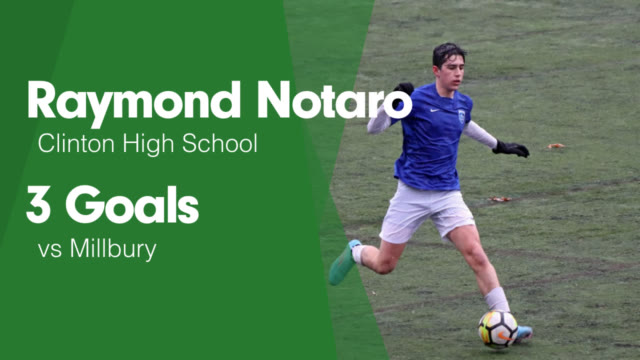
Our conversation led us to the people who have taught us how to live. Ray played soccer for the Clinton High School Gaels and started all four years. The coaches named him to the Midland Wachusett League All-Conference team. He had opportunities to play at the next level at the University of New England or Stonehill.
“I needed to get out of Clinton,” he said about moving out of his hometown. “I came out for a ski trip. Visited Boulder and decided on CU. Good vibe here. Clinton isn’t that far away, really. I’ll be going home for a reunion with my family and friends at the end of October for my birthday.”
I asked Ray to tell me about an adult outside his family who had a positive influence on him and instilled a lesson he still carries today.
He told me about his four-year physical education teacher, Mr. Paul Zapantis.
“Mr. Zapantis chaperoned a high school trip to Europe my senior year. He’s an adult I could talk to in confidence. He taught and also worked at the funeral home. I could visit him there.”
In small towns, people often work more than one job. When I lived in Lander, a town of 7,000, I worked in the city administration and also covered sports for the twice-weekly local paper.
“Clinton’s a rough town.” On account of that, Ray explained that his high school maintained strict rules. Authority figures enforced discipline and expected students to follow directions. Zapantis took a different approach. “He trusted us.”
Rather than relying on rules and punishment, Zapantis treated young people with respect. He set expectations and trusted his students to meet them. Ray remembers that Zapantis established a standard students didn’t want to disappoint.
“Some adults are scary. Mr. Zapantis is a good guy. When we came back from Europe, he invited us out for breakfast at Lou’s Diner. Six in the morning. We all showed up. He gave me the travel bug.”
Ray told me about the biggest lesson he learned from studying abroad in Germany in 2025.
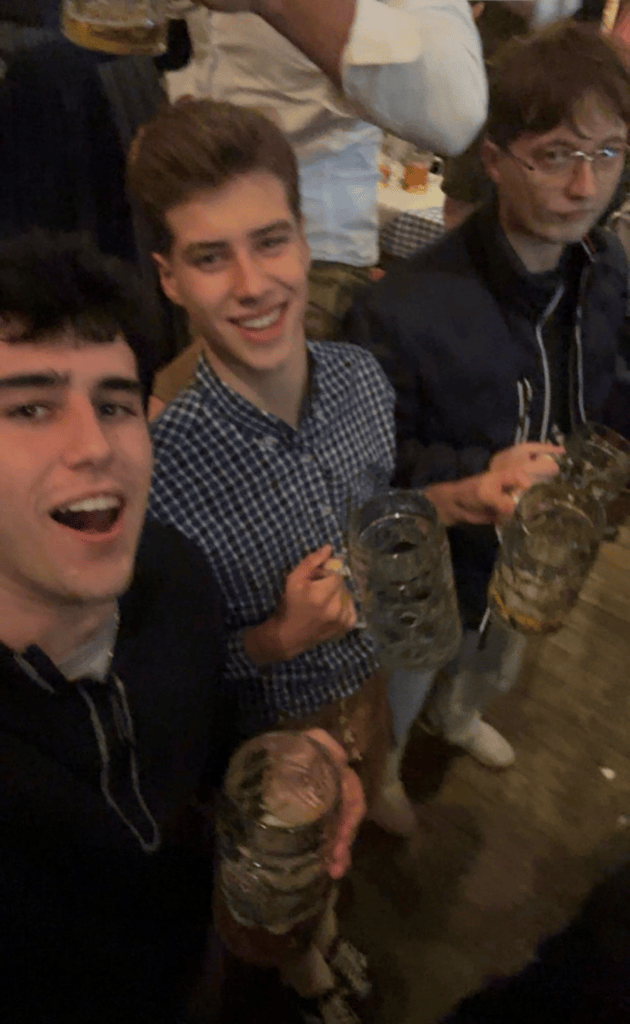
“A group of us went to Munich for Oktoberfest.” He recalled. “A bunch of Dutch guys were singing a song about Max Verstappen [a well-known Formula 1 race car driver from the Netherlands]. We joined in the fun. The police showed up and detained us, not for drinking. One of the Dutch kids looked like he gave the Nazi salute [After World War II, the German government criminalized anything promoting Nazism]. They detained me, but they mostly wanted the Dutch kid.”
What struck me about Ray’s story is that he realized what he had learned from Zapantis extends to a higher level. In environments like his school and in Germany, where strict rules governed much of life, there’s a distinction between demanding good behavior and inspiring it. It’s important to build relationships, but to act responsibly.
Ray told me that respect works both ways. An adult who respects a young person sends a message that the young person matters, that someone believes in them, and that they have a responsibility to live up to that belief.
Zapantis raised the bar by trusting his students to reach it.
Ray also spoke about his supportive family. His father’s family immigrated from Sardinia, while his mother’s roots reach back to Ireland. Their experiences reminded me of my family’s history as Japanese immigrants. Our families came from different parts of the world, but both encountered the challenges of finding acceptance and belonging in America.
Our shared experiences gave me another point of connection with Ray. Our families carried their cultural traditions and experiences into an America that didn’t always welcome immigrants with open arms. The details differ, but the desire to belong, be treated fairly, be respected, and build a secure life crosses generations.
That’s another reason Ray’s story about Zapantis resonated with me. Respect shapes how people, young and old, should see themself, how they treat others, and what they expect from the world.
As Ray and I talked, I kept returning to our opposite, yet similar approaches to Maslow’s hierarchy. I began my journey believing that happiness meant being like Superman, reaching higher, achieving more, accumulating the rewards of life.
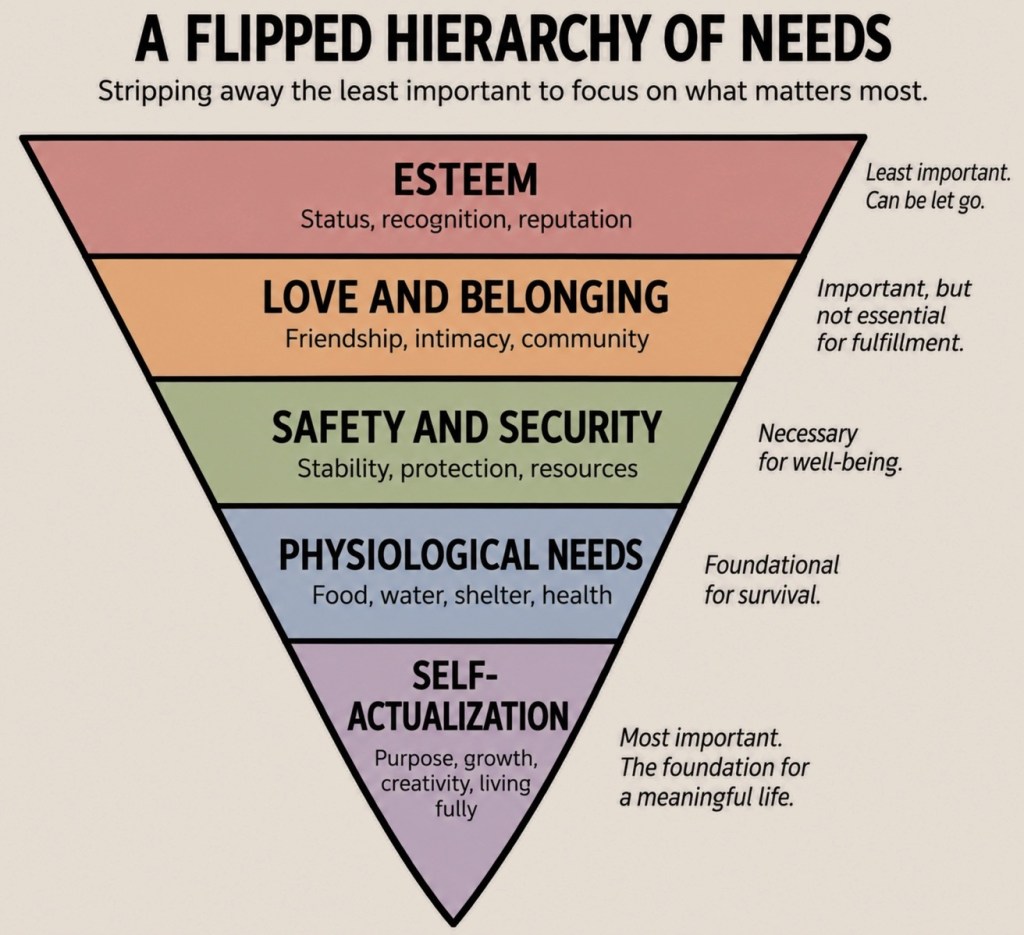
Ray is reimagining Superman’s American Way. He’s content to establish a solid foundation and build a life around what he considers essential.
The pursuit of happiness doesn’t necessarily mean climbing higher or grasping for more.
Ray is beginning with the basics. I’m trying to return to them. Our conversation reminded me that happiness isn’t a destination reserved for the accomplished or those who have accumulated the most.
For Ray, the lesson began with a teacher who trusted him enough to act respectfully and to do no harm. For me, it’s taken decades of living, collecting, and now letting go to recognize how much of life depends on what we give one another, rather than take.
I doubt that I’ll reach the Dalai Lama’s nothingness because I spend too much time watching Netflix and sports. Ray has a better chance of traveling to 172 remaining nations. That’s beside the point. Our paths don’t have to match for the lessons to connect.
Ray carries Mr. Zapantis’s influence forward by treating people with respect. He extends the trust that helped shape him. Knowing a caring adult believed in you, and then carrying that belief into the lives of others, may be the most enduring form of happiness.
I spent much of my life believing happiness awaited me near the top of Maslow’s mountain. Ray, 50 years younger, reminded me that the top is closer to the ground.
Ray has a granola bar, a bottle of water, a room, and an airplane ticket. I have another carload of boxes I’m packing to donate to the American Heritage Center at the University of Wyoming.
The way up is climbing down.