Today I drove a carload of boxes to Laramie and made the final major delivery for my Swedish death-cleaning project.
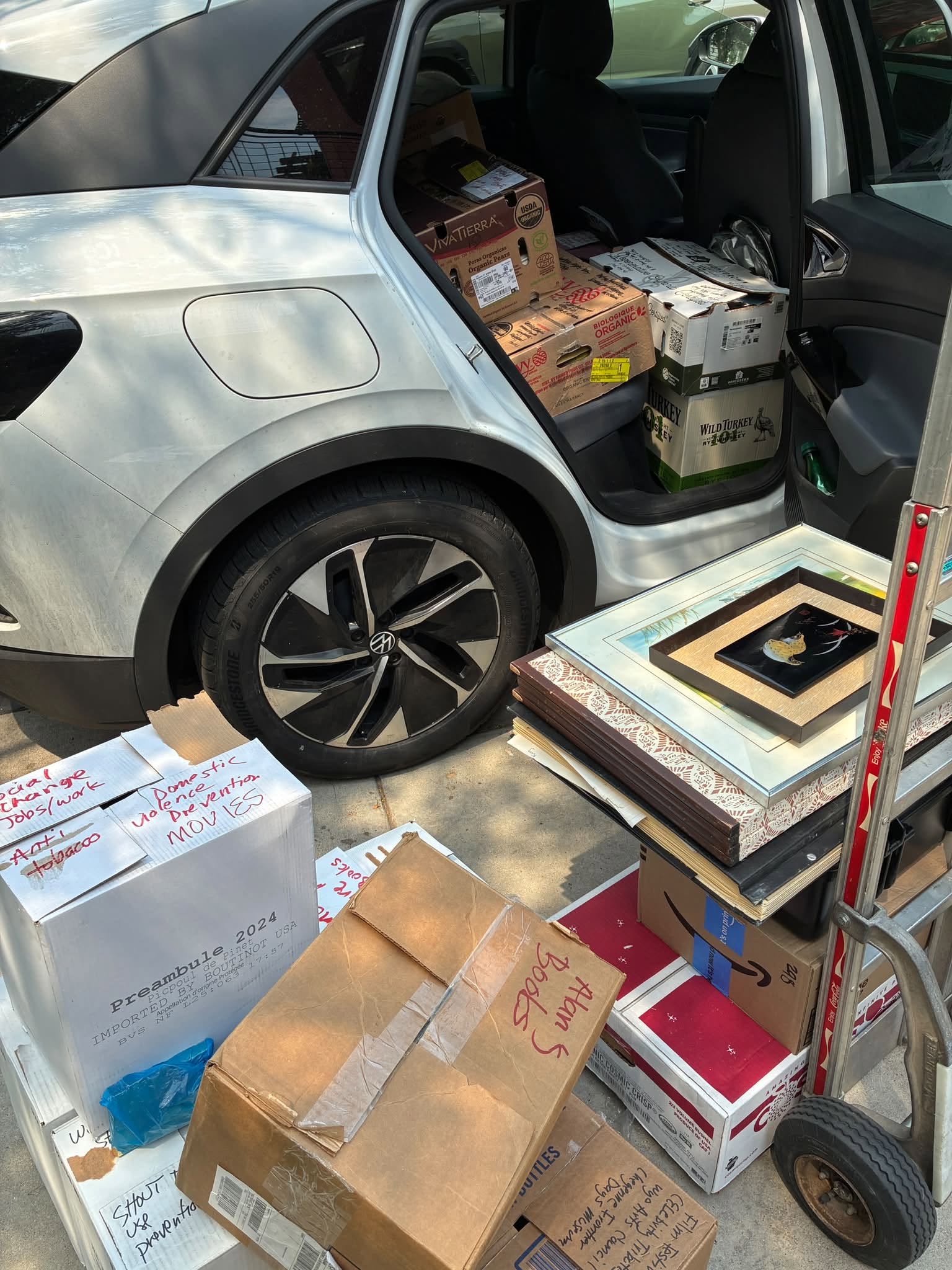
One destination was the American Heritage Center at the University of Wyoming in Laramie. The boxes contained decades of my life: research materials, hard drives, scrapbooks, manuscripts, photographs, films, books, and assorted records from projects that occupied countless hours over the years.
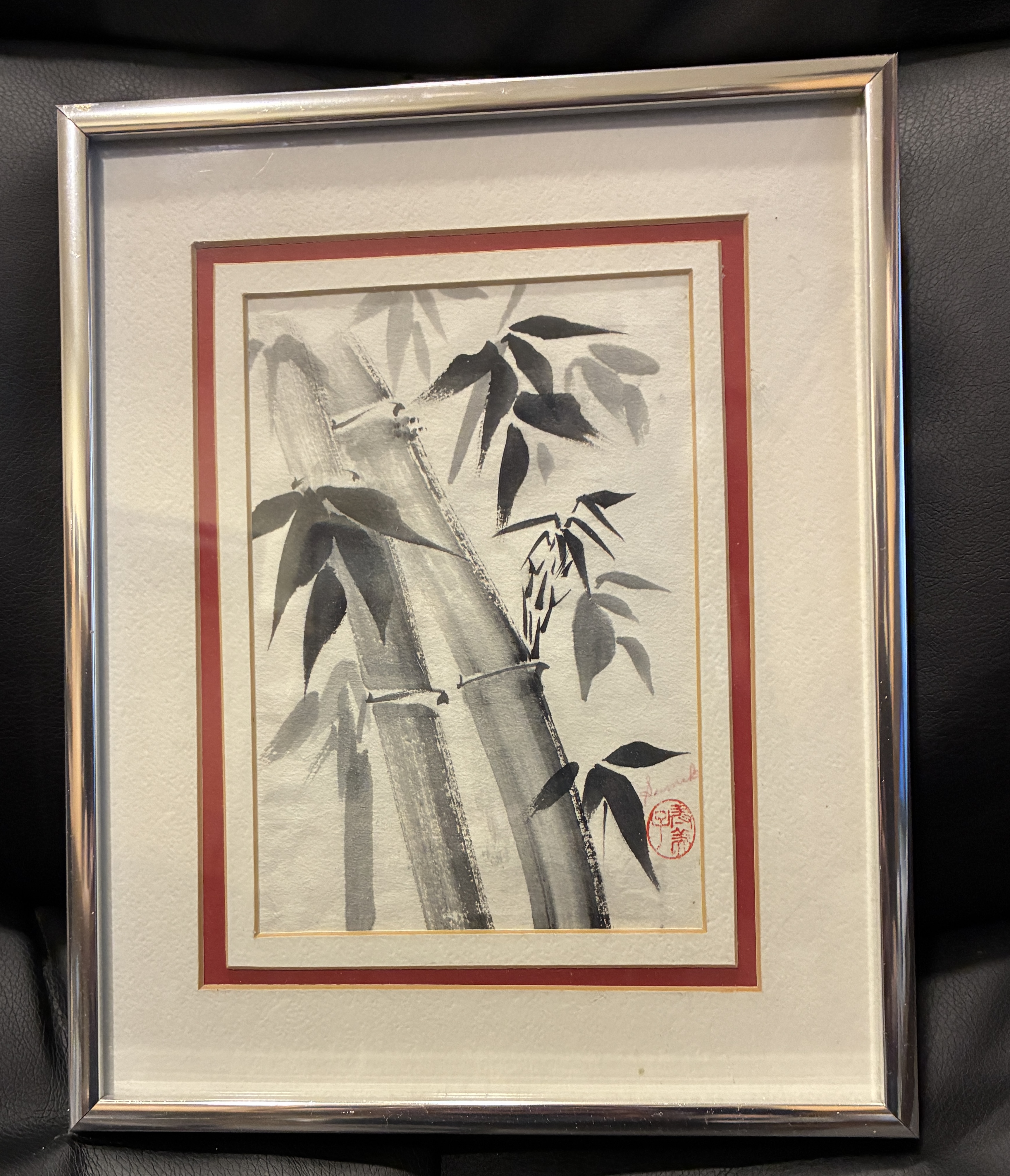
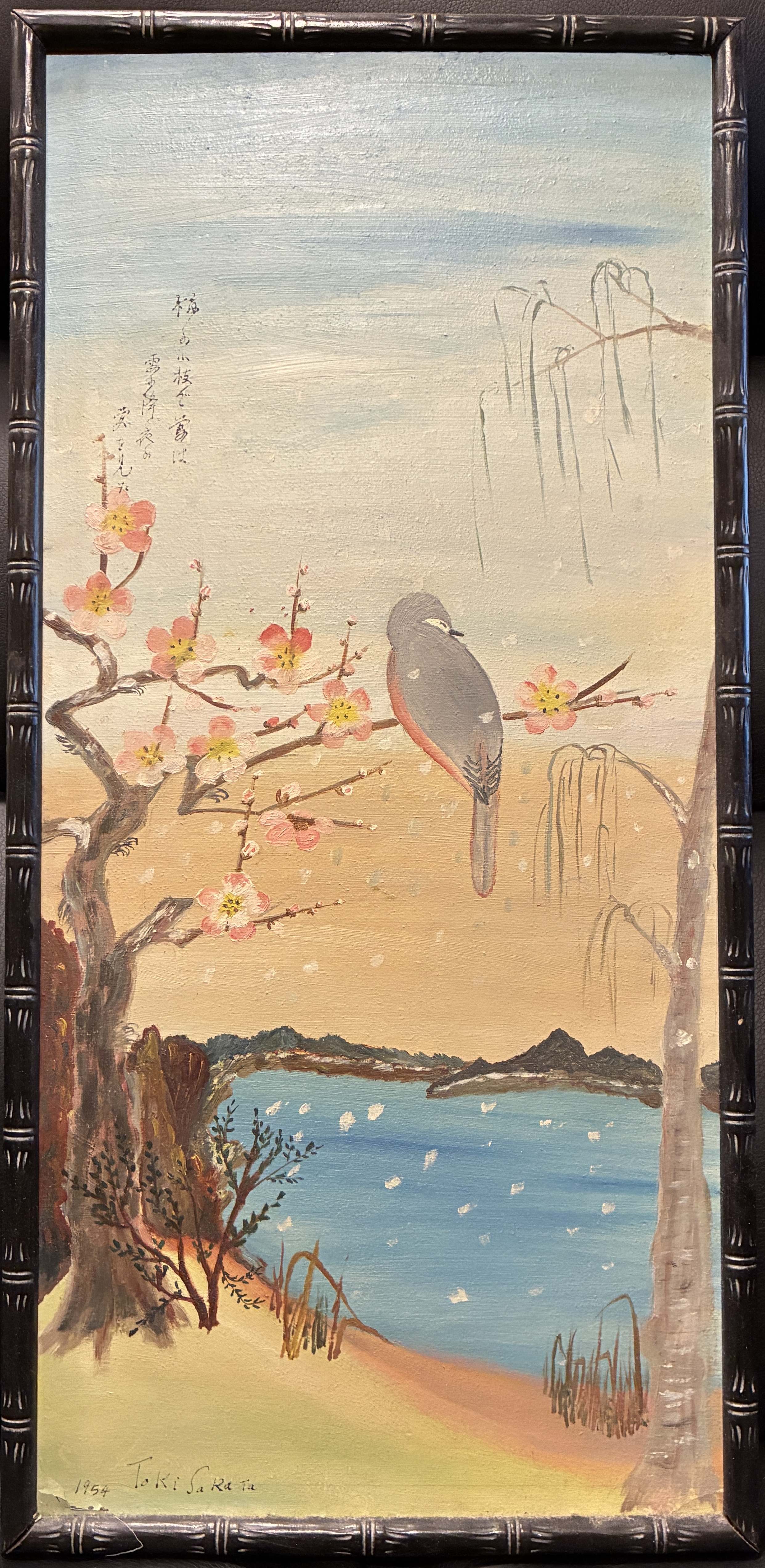
A separate box held watercolor paintings my mother created. Those went to the Laramie Plains Museum. Some will become part of the museum’s collection, while others will help support its mission through fundraising auctions.
As I handed everything over, I found myself experiencing mixed emotions. The handoff took all of 10 minutes.
Kind of anticlimactic, considering I’ve been sorting and sifting since the Wyoming Writers Inc. conference at the beginning of June. AHC staffer Brie Blasi asked if I’d donate my stuff.
Part of me felt a sense of relief. My materials are no longer stacked in closets, on shelves, and in corners, waiting for me to decide their fate. They now have a permanent home where they can be organized, preserved, and, if anyone finds value in them, used by future researchers, historians, students, or curious people.
Another part of me felt a touch of sadness. Every box represented a chapter of my life. The manuscripts reflected ideas I chased. The photographs captured moments that seemed important enough to save. The films documented stories and people I believed should be remembered. Letting go of them felt a little like saying goodbye to old companions.

Yet there was also comfort in knowing that I have not really lost them. If I ever need to revisit a project, confirm a memory, or look up some forgotten detail from my past life, I can make the trip to Laramie and review the materials. They are stored in a different place now.
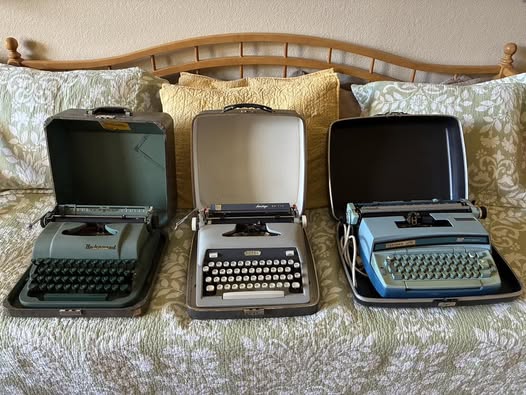
This delivery marked the culmination of a process that has taken years. Along the way, I sold my grandmother’s Sony micro TV and Star Wars action figures I used for gender bias training. Colleagues purchased my sports card and political memorabilia collections. Other items found new homes through donations and gifts.
I hope the people who have received my stuff enjoy it. All my items spent years, sometimes decades, in my care. Collections are curious pursuits. We think we own them, but we’re only temporary caretakers. Eventually they move on to the next person, carrying their stories with them.
There’s little left. Some clothes. Some shoes. A few personal possessions. My car. The essentials.
I’m an organ donor. I imagine those will make it into worthy sick people if my parts aren’t too worn out.
What surprised me most about Swedish death cleaning is that it was never really about getting rid of stuff. It’s about deciding what mattered and what stories deserved a future beyond my shelves and storage boxes.
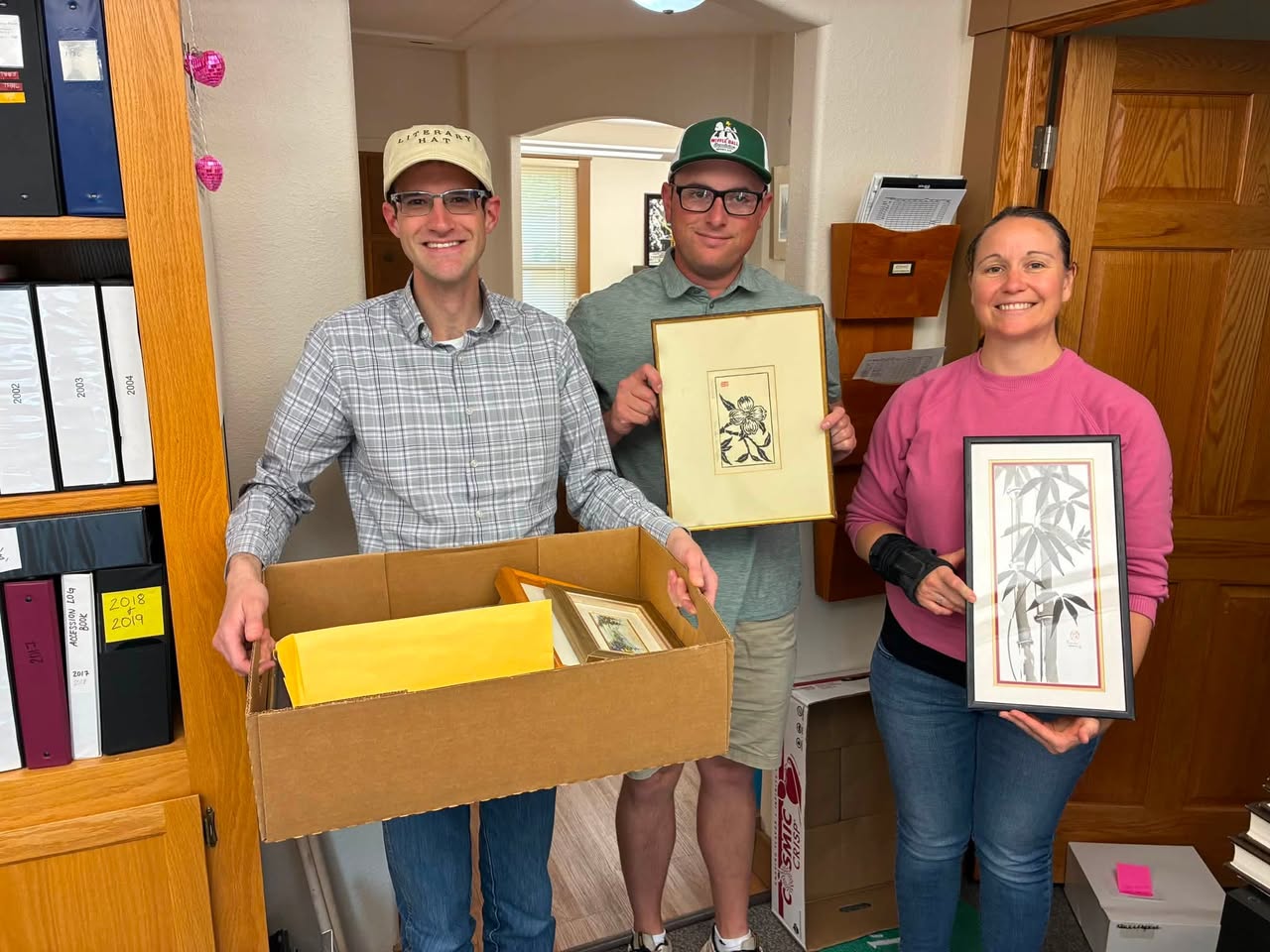
The works my mother painted will now have lives of their own. Some may hang on walls where people who never knew her will pause for a moment and admire her work. Others may help support a museum dedicated to preserving local history. In their own way, they will continue telling part of her story.
The same is true of the boxes I delivered. The manuscripts, photographs, films, and research materials represent a lifetime of curiosity and creativity. Long after I am gone, someone may open a folder, examine a photograph, watch a film, or read a manuscript and discover a small piece of the world as I saw it.
There is something comforting about that.
For years, I thought I was collecting things. Today, I realized I was collecting stories.
Now those stories belong to the future.
As I sit at an EV charging station writing this, listening to Jalan Jalan Crossland on Wyoming Public Radio & Media, I feel a sense of peace. My mother’s work has found a home. My work has found a home. The burden of holding on is replaced by the satisfaction of passing it all forward.
My final act of stewardship is not keeping material objects forever.
It’s about making sure they can continue their journey without me and not end up in the landfill.