When Fireworks Were Legal

Firecrackers and weed shopping malls would be better than data centers.

I grew up in Cheyenne, Wyoming, where summer wasn’t official until the fireworks stands opened. The nearest one was biking distance from our home in the Cole Addition. In the 1960s, the neighborhood sat on the edge of town, where open prairie began just a few blocks beyond the last houses.

That was then.

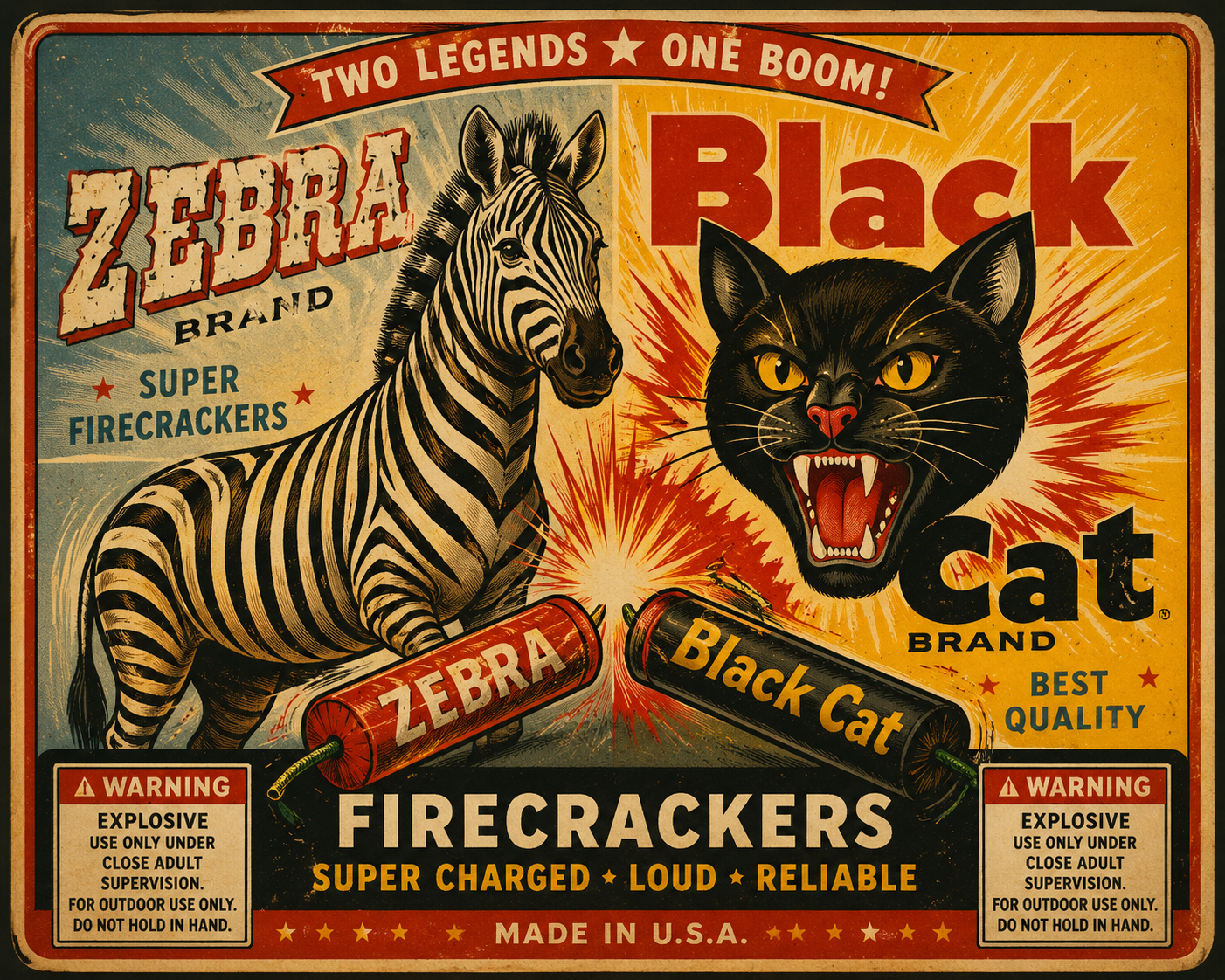
When I was a kid, firecrackers an inch and a half long were perfectly legal. The Zebra brand was the gold standard among neighborhood experts. I have no idea whether this was scientifically verified, but I was convinced Zebras had fewer duds than Black Cats. Every kid had an opinion, and every kid was certain he was right.

My parents allowed a few bottle rockets in the alley, but the real Fourth of July celebration happened at the Kishiyama place south of Cheyenne. Looking back, I’m amazed I survived childhood.

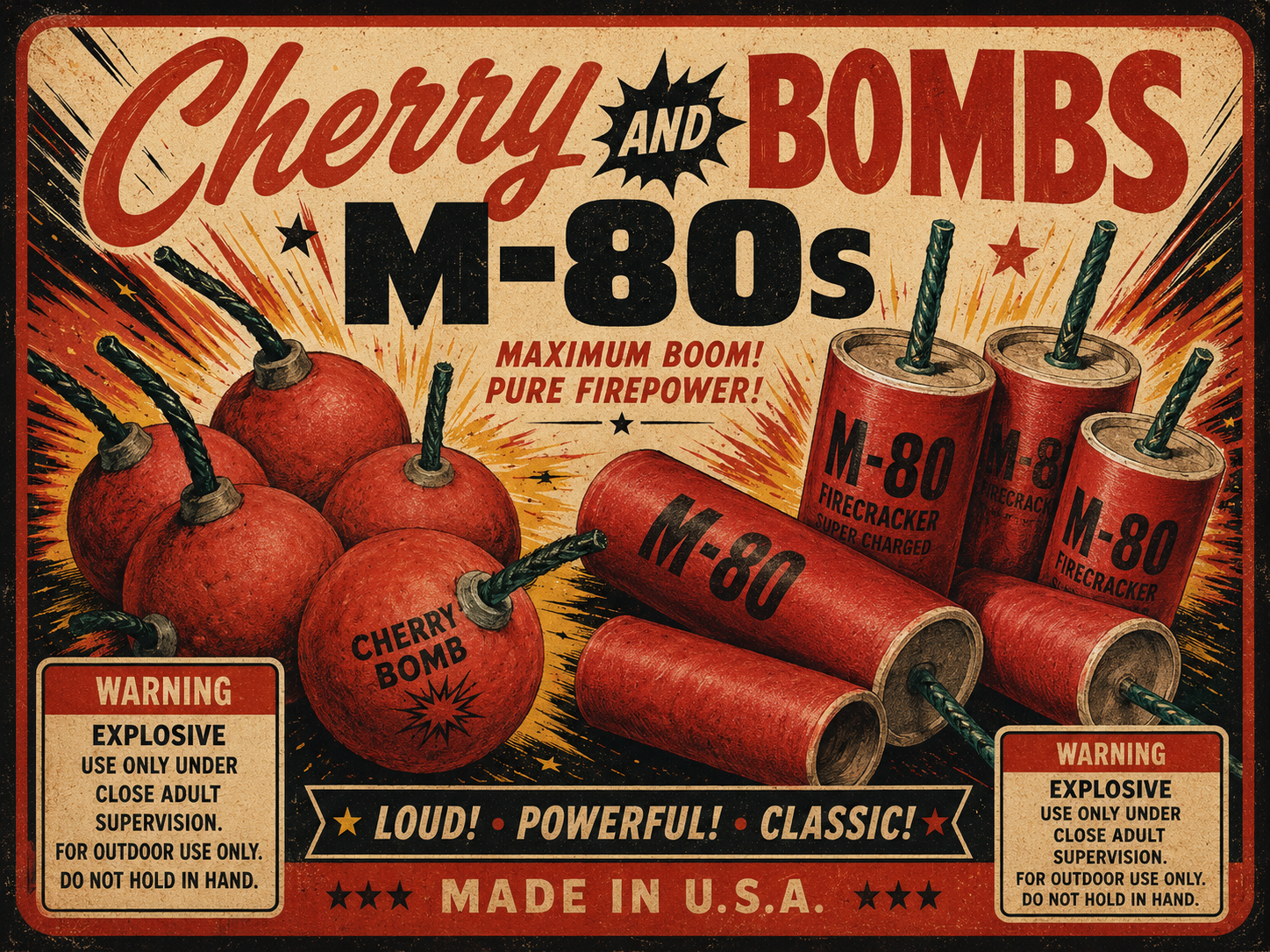
One of the men who worked for my dad made an annual pilgrimage to Nebraska and returned with contraband treasures: M-80s and cherry bombs. These were illegal in Wyoming, which increased their appeal. The M-80s were legendary. The cherry bombs looked harmless enough until they detonated with a satisfying boom that echoed across the prairie.

My dad allowed me to light them, fling them as far as I could, and wait for the explosion. Today, that sentence alone would give a safety inspector heart palpitations.

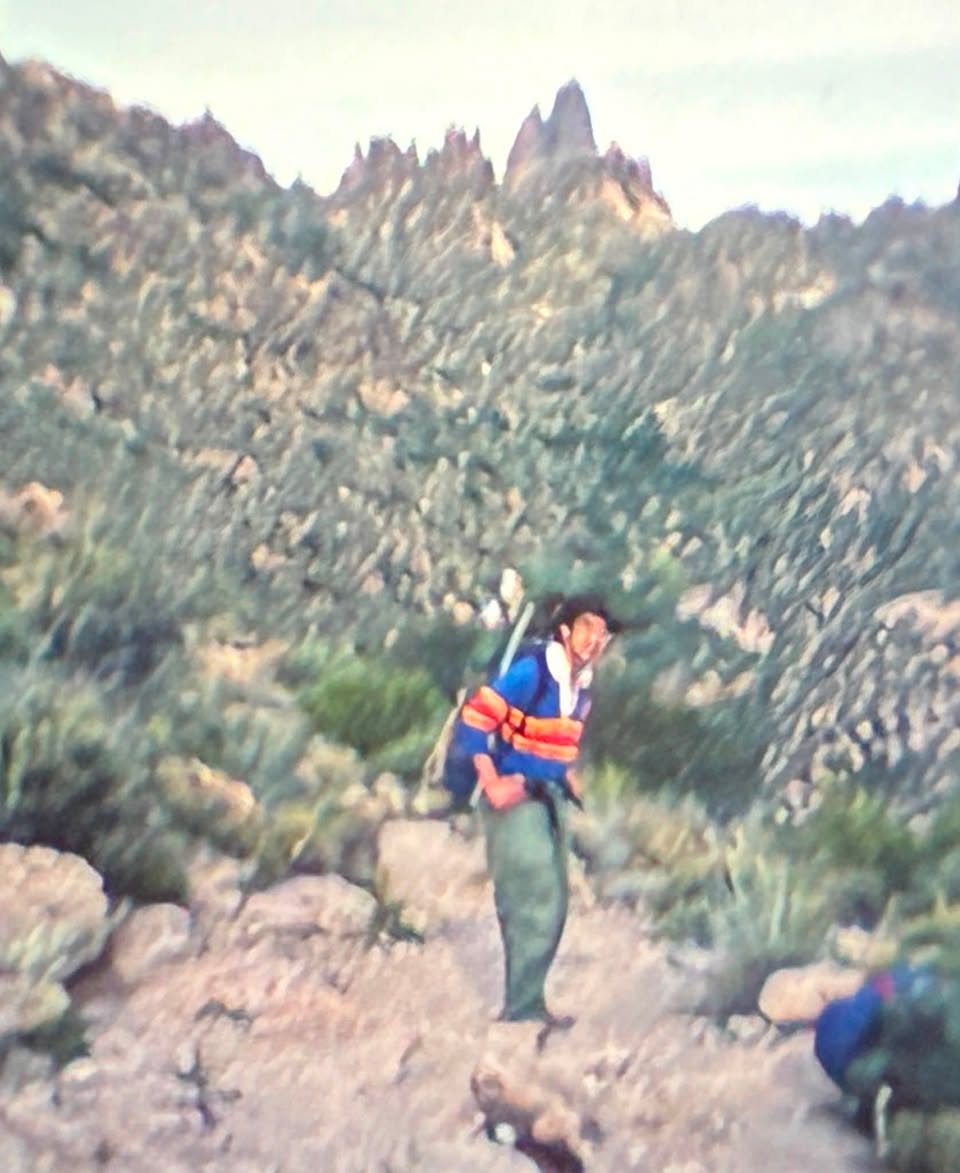
The vacant land behind our neighborhood became our battlefield. My friends and I played endless games of combat among the sagebrush and dry clay. Like countless boys of our generation, we experimented with homemade pyrotechnics that seemed ingenious at the time and reckless in retrospect. We dug foxholes, created miniature craters, and generally behaved in ways that would horrify modern parents.

The miracle is that we still have all our fingers.

Then came the fire.

At some point, a fireworks stand near the city limits caught fire and exploded like the first barrage of World War III. The city responded with an ordinance requiring that fireworks sales be conducted well outside town.

When we were adults, my cousin Matthew came to town over the Fourth of July. We decided to reexperience our childhood. We bought some fireworks and looked for a place to light them off. The Kishiyamas no longer lived on their ranchette. Everywhere we went, fireworks were not allowed.

What a letdown. I don’t know where we ended up, but the experience was no fun.

Entrepreneurs, being entrepreneurs, saw opportunity where the government saw regulation.

Soon, giant fireworks stores appeared south of Cheyenne near the Wyoming-Colorado travel corridors. What had once been a few temporary stands became a regional industry. Colorado customers crossed the state line in droves. Entire warehouses sprang up to meet the demand. Fireworks became big business.

In retrospect, Wyoming may have stumbled upon one of its more successful economic development programs.

Today, when I drive past the sprawling fireworks superstores south of Cheyenne, I think about those childhood summers. I remember the smell of gunpowder hanging in the evening air. I remember bicycle rides to the fireworks stand. I remember arguments about whether Zebra or Black Cat made the better firecracker. I remember the anticipation of waiting for dusk on the Fourth of July.

Mostly, I remember a time when Independence Day felt a little more independent.

Of course, every generation looks back on its childhood through rose-colored glasses. We remember the freedom and forget the close calls. There was something uniquely American about those Wyoming summers in the wide-open spaces, imagined war zones, fighting alongside Sgt. Saunders, of “Combat!” fame. The Fourth of July was the greatest holiday on the summer calendar.

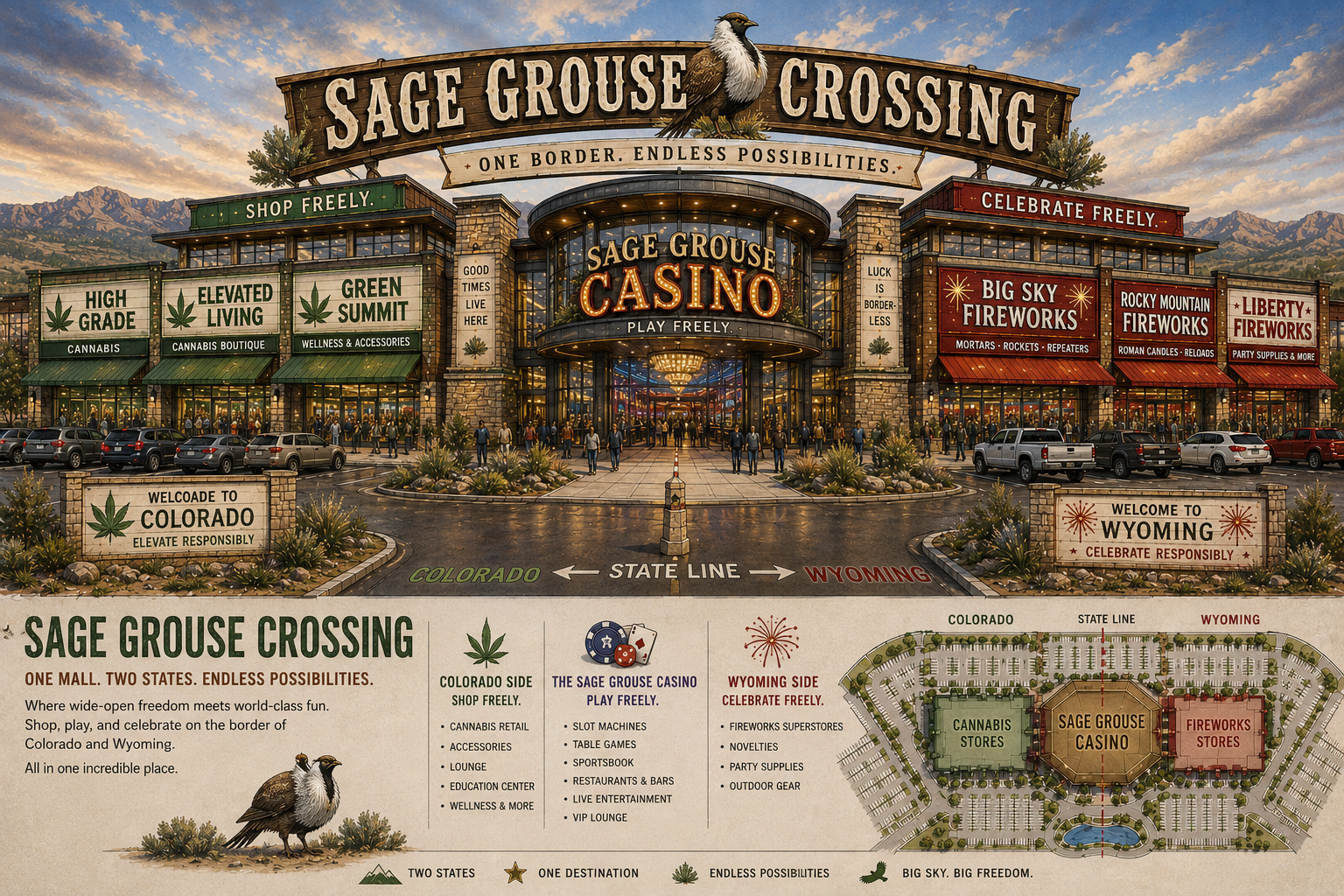
Speaking of economic development, instead of sprawling data centers, a pretty good business would be selling marijuana on the Colorado side of the state line and fireworks on the Wyoming side, straddled by a casino.

Swedish Death Cleaning for Pack Rats

Have you heard about Swedish Death Cleaning?

Where sentimental value meets Facebook Marketplace.

There’s a television show called the “Gentle Art of Swedish Death Cleaning” where three cheerful Swedes descend upon cluttered American homes like minimalist Viking spirits.

They smile politely while staring at your collection of commemorative beer steins and ask questions that cut straight to the soul.

“Will anyone want this after you die?”

“Why do you own 17 extension cords?”

The premise is simple and terrifying. Swedish death cleaning (döstädning) is the practice of gradually getting rid of your stuff before someone else has to do it for you.

I don’t want my grieving friends and relatives to stand in my garage holding a box labeled “miscellaneous cables” and wonder if I was building a radio station or hiding evidence.

I’ve been Swedish death cleaning for years without realizing it had a name. I thought I was slowly becoming the old guy muttering, “Why do I still own this?”

The Marshall Fire accelerated the process for me. Watching entire neighborhoods go up in a puff of smoke changed my relationship with possessions in a hurry.

I started thinning out decades of sports memorabilia, political collectibles, souvenirs, and enough paper ephemera to start my own presidential library or baseball museum.

At first, it was hard.

I had convinced myself that every object contained meaning. I took pictures of everything significant. I got rid of the item and kept the memory.

“This ticket stub is history.”

“This bumper sticker might be valuable someday.”

“This faded Rockies pennant represents an era.”

If I wanted a replacement, I could buy another.

Eventually, I realized my heirs are not going to lovingly curate my life’s treasures. They’re going to rent a dumpster.

Now I’m down to the nuisance phase of death cleaning. The weird objects. The things that survive every purge because they’re too sentimental to toss.

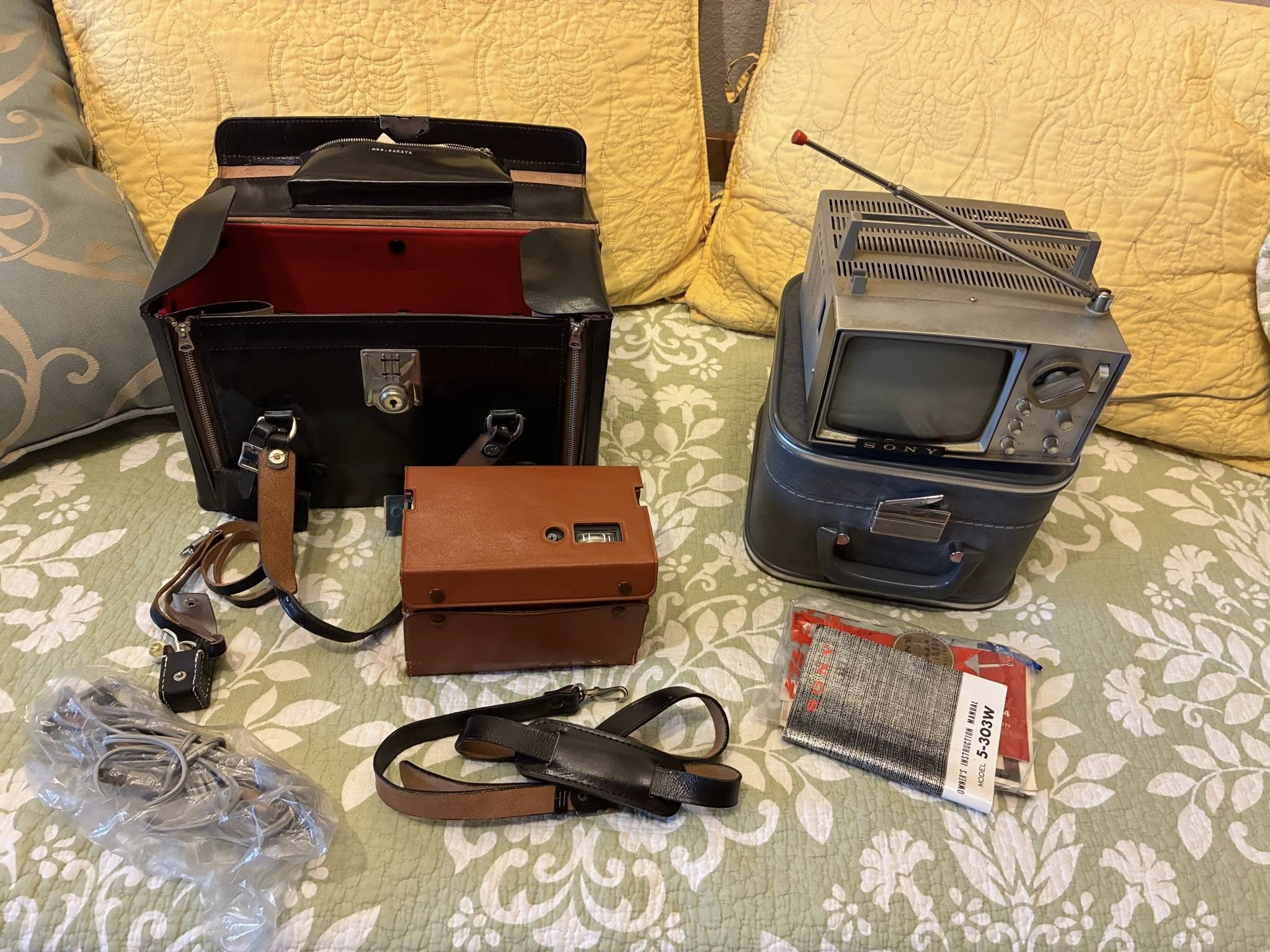
Which brings me to the Sony micro television.

This tiny set came from my grandmother’s estate over forty years ago. She had hauled it all the way from Japan sometime in the 1960s, back when electronics from Japan felt futuristic and exotic.

The little monitor looked like something NASA might issue astronauts to watch Walter Cronkite on the moon.

I’ve carried that little TV through apartments, condos, moves, closets, shelves, storage bins, and several rounds of “I really should get rid of this.” It became less of a possession and more of a hostage situation.

The TV held me hostage.

I dug out the box and posted it on Facebook Marketplace.

Immediately, two kinds of people appeared.

The first guy messaged me within minutes.

“I can come right now.”

That’s slightly alarming. Nobody has ever urgently needed anything good from Facebook Marketplace. Usually, it’s either haunted, illegal, or both.

Then another user chimed in helpfully to explain that old electronics are worthless.

Thank you, internet stranger. That was comforting.

But the first guy arrived today, and it turns out he’s part of a group called the Colorado CRT Connection. These people rescue old cathode ray tube televisions and monitors.

They restore them, tinker with them, keep retro gaming systems alive, and host meetups that benefit the Children’s Hospital.

Who knew there was an underground network of people lovingly preserving obsolete television technology?

This guy looked at my grandmother’s tiny Sony TV the way an art dealer might inspect a lost Picasso.

“The guys are going to be so jealous.” He knew exactly what he bought.

He appreciated its history.

He was genuinely excited.

This object I’d been schlepping around for decades wasn’t junk anymore. It had found its next chapter.

That’s the beauty of Swedish death cleaning. It’s about getting rid of things and releasing them back into the wild while they still mean something to somebody.

All our treasures eventually become mysteries to the next generation.

“Why did Grandpa keep this?”

“What is this thing?”

“Can we throw this away?”

Every once in a while, the right person shows up. The object finds its tribe again.

My grandmother is smiling that her quirky little television, carried across the Pacific Ocean 60 years ago, is still sparking curiosity instead of gathering dust in my basement.

I still have a box of cables I’ll take to Goodwill soon, 2028 at the latest.

What would the Swedes think?