Rediscovering history before it fades away
I’ve been putting off the slide viewing for years. Sorting my stuff for the American Heritage Center motivated me to go through them.
The task seemed simple enough. I have boxes and carousels of slides and photographs accumulated over decades. I’ll take the hard copies to the AHC. My plan is to digitize them and create an online archive by signing up for another Google Drive.
Kodachrome was top quality in its day. A status symbol. The best prints. Kodak quit making Kodachrome, and I don’t want photos on the walls.
Now, all I want are fuzzy reference shots.
The thought of reviewing the slides daunted me, since I haven’t looked at them in decades. Some are labeled. Others are complete mysteries. I know there are family photos, travels, community projects, and who knows what else. There are stories worth preserving in those boxes. The challenge is finding and remembering them.
I stopped procrastinating.
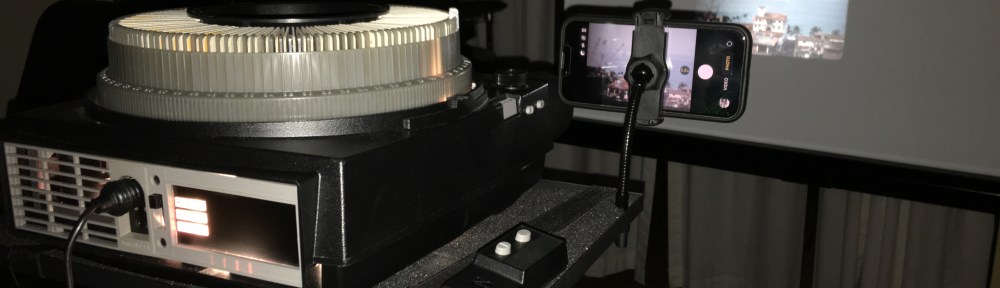
I dug out my analog Kodak Carousel projector and created a makeshift digitizing station in the basement. The projector throws images onto a portable screen. An iPhone mounted on a flexible arm photographs each slide as it appears. The arrangement would horrify a professional archivist, but perfection wasn’t the goal. I just needed reference images good enough to identify people, places, and events.
The setup looks ridiculous, but it works.
In about 90 minutes, I clicked through four carousels.
Some images brought immediate recognition.
“That’s my uncle’s living room in Peru.”
“There’s Grandma.”
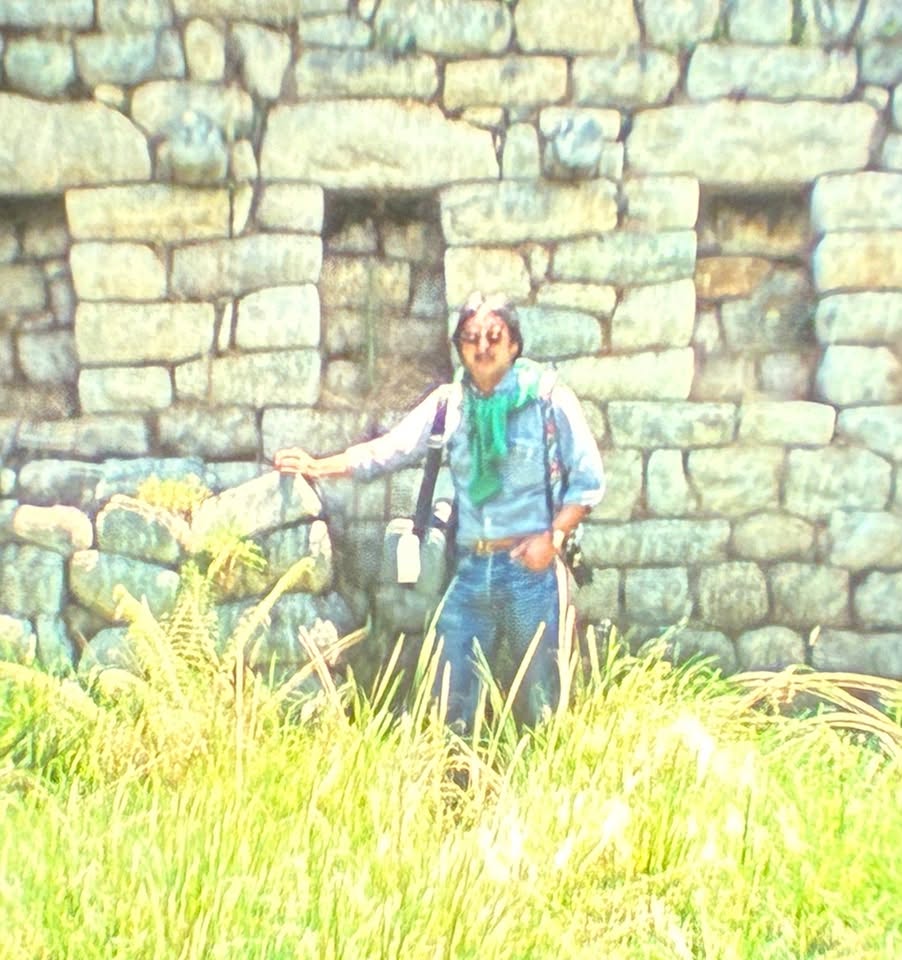
“I remember that train ride to Machu Picchu.”
Others were complete puzzles.
“Who are these people?”
“Where was this taken?”
Why did I think this was important enough to photograph 50 years ago?
As the images appeared one after another, I realized the project is about photography and about memory. Photographs freeze a moment in time, while memories fade. The two are complementary. The people who can identify the faces in old pictures don’t stay around forever. If nobody writes down the names and stories, eventually the photographs become anonymous.
I mentioned my progress to a neighbor. He wasn’t nearly as excited as I was, probably because he’s not ready to cut loose. My neighbor on the other side of the sidewalk is purging his mothballed business and saw my setup in the basement. I told him I’d keep it set up if he wanted to look at his slides.
The process reminded me why I’ve been engaged in a bit of Swedish death cleaning. The goal is to leave behind fewer mysteries for friends and family.
Before anything can be preserved, it has to be identified.
Because the sun comes up early, It’ll take me a few more days to look at everything in the relatively dark room.
The setup may be imperfect and takes up a lot of space. Analog slides are cumbersome, having to manually load them, being sure they’re right side up and not backward. I had two piles ready to store, but the apparatus irritated one of my neighbors who tossed them in a box out of disgust. It took up a lot of space in a common area. I should have rubberbanded them together.
The images I record will not be museum quality, but each click of the projector reveals another piece of my otherwise forgotten puzzle.
Some mysteries are solved instantly. Others require a little detective work, but every slide I identify is one less story at risk of being lost.
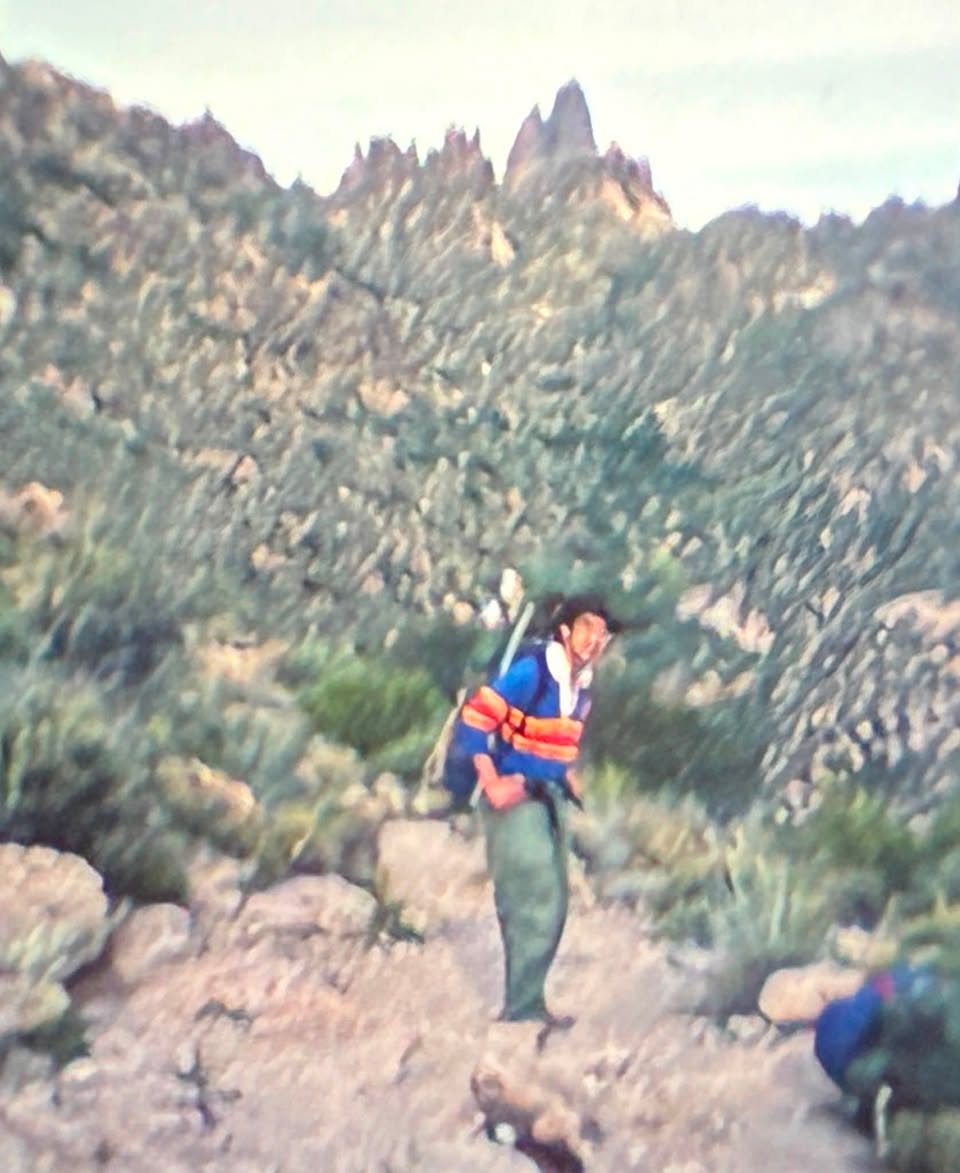
Those old carousels turned out to be time machines after all. I visited Peru for a family reunion, explored the Superstition Mountains in search of the Lost Dutchman, attended Nixon’s 1973 Inauguration, and, in high school, traveled to Alaska and met my long-lost Uncle Buck.
The real destinations are the stories that the photos bring to mind.


my younger brother Ed passed away in Cheyenne last month. He was the same age as your sister I believe. Since he did not do any purging, it is left to me to clean out the house, we grew up in since 1960 with his stuff and even some of my parents stuff. Many photographs of people I do not know.
LikeLike