The Emotional Journey of Swedish Death Cleaning

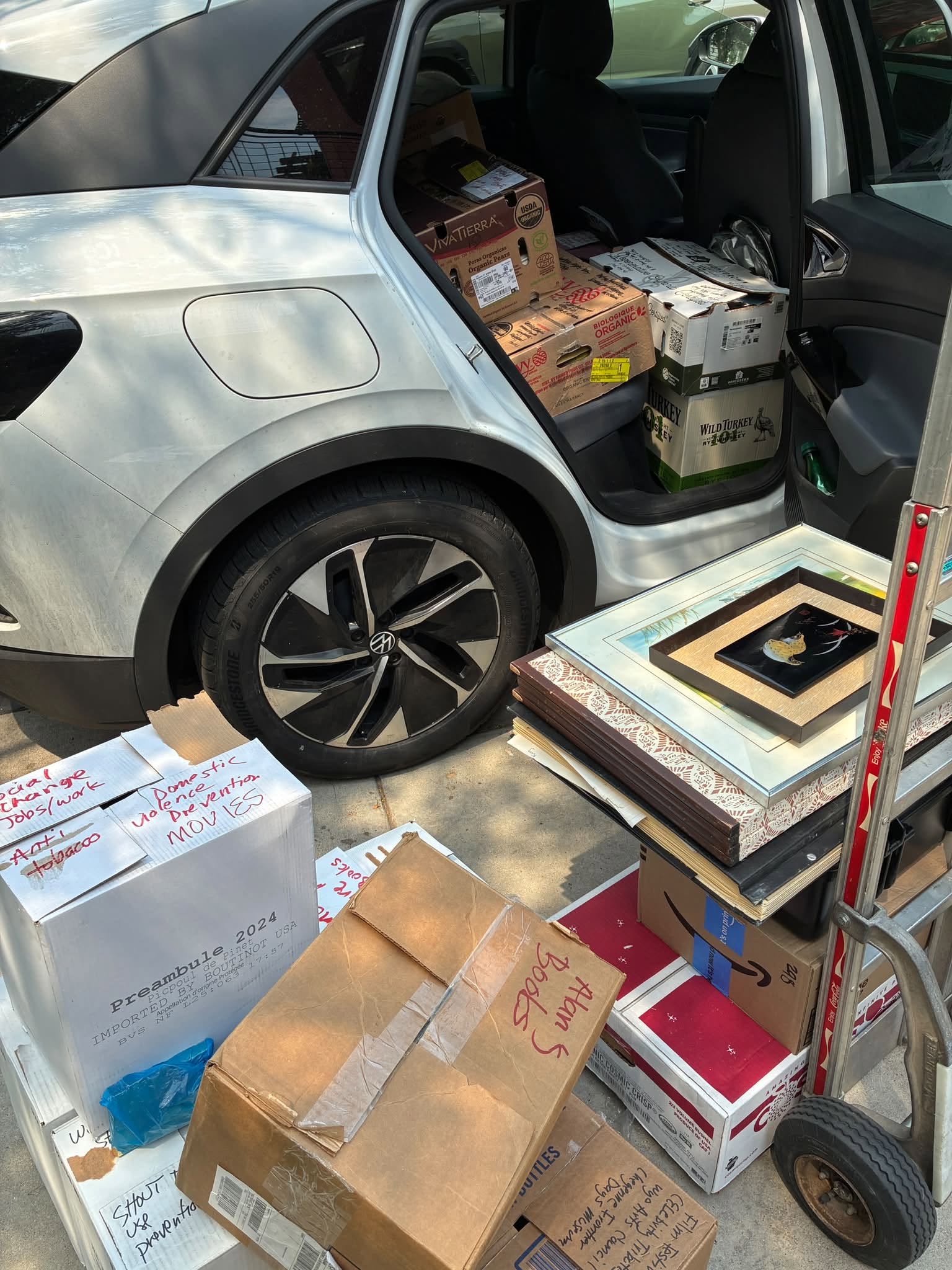
Today I drove a carload of boxes to Laramie and made the final major delivery for my Swedish death-cleaning project.

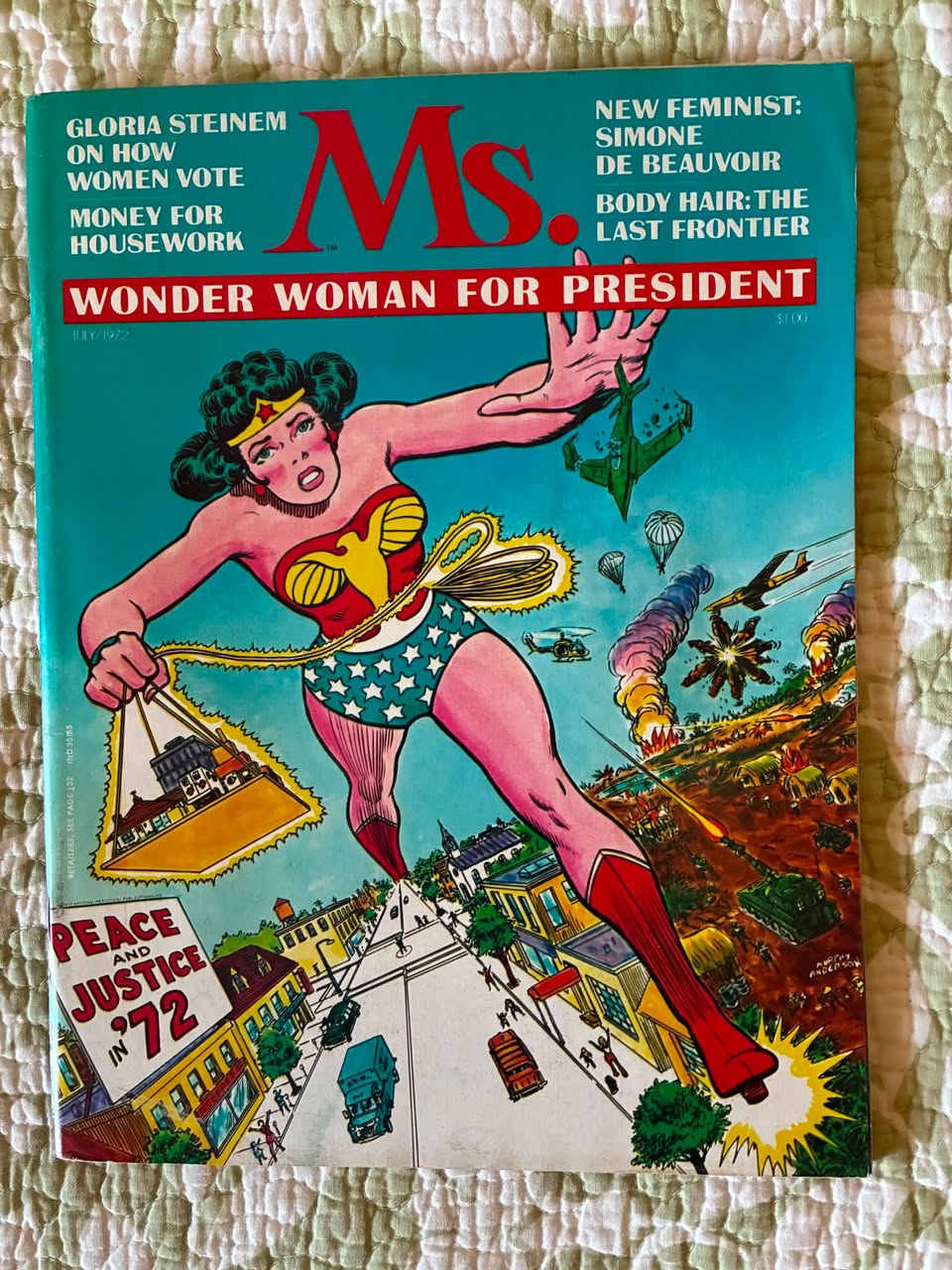
One destination was the American Heritage Center at the University of Wyoming in Laramie. The boxes contained decades of my life: research materials, hard drives, scrapbooks, manuscripts, photographs, films, books, and assorted records from projects that occupied countless hours over the years.

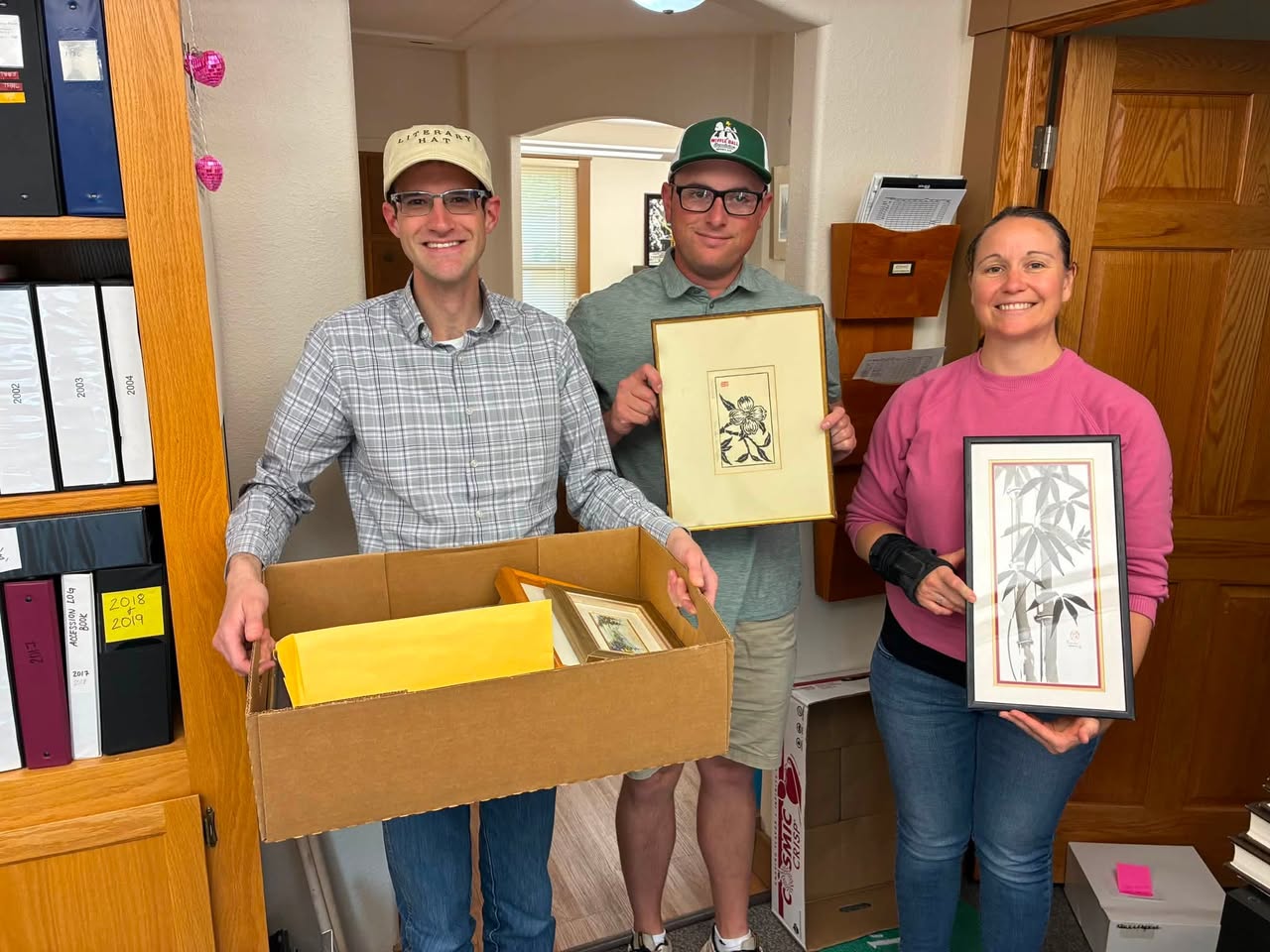
A separate box held watercolor paintings my mother created. Those went to the Laramie Plains Museum. Some will become part of the museum’s collection, while others will help support its mission through fundraising auctions.

As I handed everything over, I found myself experiencing mixed emotions. The handoff took all of 10 minutes.

Kind of anticlimactic, considering I’ve been sorting and sifting since the Wyoming Writers Inc. conference at the beginning of June. AHC staffer Brie Blasi asked if I’d donate my stuff.

Part of me felt a sense of relief. My materials are no longer stacked in closets, on shelves, and in corners, waiting for me to decide their fate. They now have a permanent home where they can be organized, preserved, and, if anyone finds value in them, used by future researchers, historians, students, or curious people.

Another part of me felt a touch of sadness. Every box represented a chapter of my life. The manuscripts reflected ideas I chased. The photographs captured moments that seemed important enough to save. The films documented stories and people I believed should be remembered. Letting go of them felt a little like saying goodbye to old companions.

Yet there was also comfort in knowing that I have not really lost them. If I ever need to revisit a project, confirm a memory, or look up some forgotten detail from my past life, I can make the trip to Laramie and review the materials. They are stored in a different place now.

This delivery marked the culmination of a process that has taken years. Along the way, I sold my grandmother’s Sony micro TV and Star Wars action figures I used for gender bias training. Colleagues purchased my sports card and political memorabilia collections. Other items found new homes through donations and gifts.

I hope the people who have received my stuff enjoy it. All my items spent years, sometimes decades, in my care. Collections are curious pursuits. We think we own them, but we’re only temporary caretakers. Eventually they move on to the next person, carrying their stories with them.

There’s little left. Some clothes. Some shoes. A few personal possessions. My car. The essentials.

I’m an organ donor. I imagine those will make it into worthy sick people if my parts aren’t too worn out.

What surprised me most about Swedish death cleaning is that it was never really about getting rid of stuff. It’s about deciding what mattered and what stories deserved a future beyond my shelves and storage boxes.

The works my mother painted will now have lives of their own. Some may hang on walls where people who never knew her will pause for a moment and admire her work. Others may help support a museum dedicated to preserving local history. In their own way, they will continue telling part of her story.

The same is true of the boxes I delivered. The manuscripts, photographs, films, and research materials represent a lifetime of curiosity and creativity. Long after I am gone, someone may open a folder, examine a photograph, watch a film, or read a manuscript and discover a small piece of the world as I saw it.

There is something comforting about that.

For years, I thought I was collecting things. Today, I realized I was collecting stories.

Now those stories belong to the future.

As I sit at an EV charging station writing this, listening to Jalan Jalan Crossland on Wyoming Public Radio & Media, I feel a sense of peace. My mother’s work has found a home. My work has found a home. The burden of holding on is replaced by the satisfaction of passing it all forward.

My final act of stewardship is not keeping material objects forever.

It’s about making sure they can continue their journey without me and not end up in the landfill.

Swedish Death Cleaning for Pack Rats

Have you heard about Swedish Death Cleaning?

Where sentimental value meets Facebook Marketplace.

There’s a television show called the “Gentle Art of Swedish Death Cleaning” where three cheerful Swedes descend upon cluttered American homes like minimalist Viking spirits.

They smile politely while staring at your collection of commemorative beer steins and ask questions that cut straight to the soul.

“Will anyone want this after you die?”

“Why do you own 17 extension cords?”

The premise is simple and terrifying. Swedish death cleaning (döstädning) is the practice of gradually getting rid of your stuff before someone else has to do it for you.

I don’t want my grieving friends and relatives to stand in my garage holding a box labeled “miscellaneous cables” and wonder if I was building a radio station or hiding evidence.

I’ve been Swedish death cleaning for years without realizing it had a name. I thought I was slowly becoming the old guy muttering, “Why do I still own this?”

The Marshall Fire accelerated the process for me. Watching entire neighborhoods go up in a puff of smoke changed my relationship with possessions in a hurry.

I started thinning out decades of sports memorabilia, political collectibles, souvenirs, and enough paper ephemera to start my own presidential library or baseball museum.

At first, it was hard.

I had convinced myself that every object contained meaning. I took pictures of everything significant. I got rid of the item and kept the memory.

“This ticket stub is history.”

“This bumper sticker might be valuable someday.”

“This faded Rockies pennant represents an era.”

If I wanted a replacement, I could buy another.

Eventually, I realized my heirs are not going to lovingly curate my life’s treasures. They’re going to rent a dumpster.

Now I’m down to the nuisance phase of death cleaning. The weird objects. The things that survive every purge because they’re too sentimental to toss.

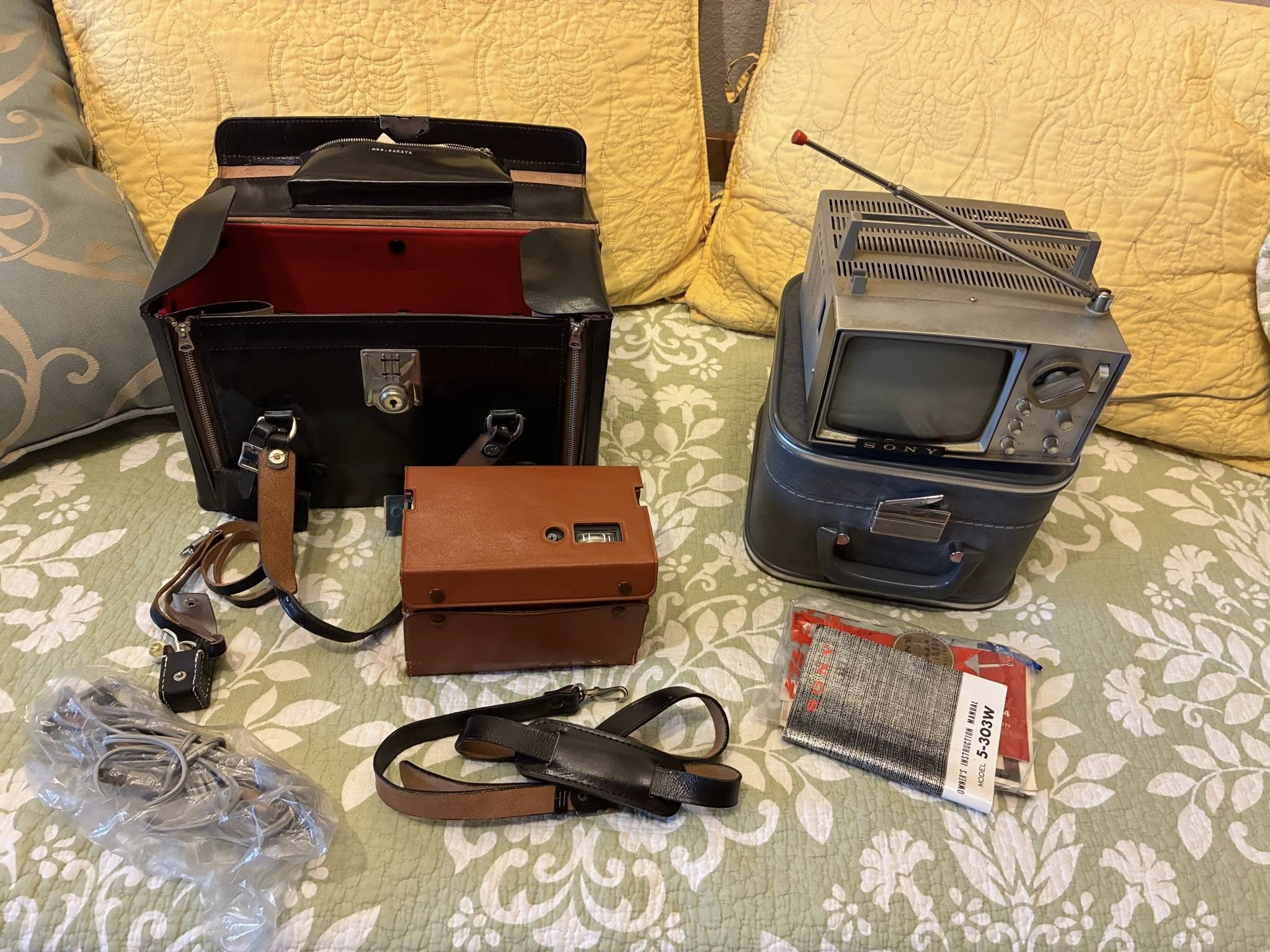
Which brings me to the Sony micro television.

This tiny set came from my grandmother’s estate over forty years ago. She had hauled it all the way from Japan sometime in the 1960s, back when electronics from Japan felt futuristic and exotic.

The little monitor looked like something NASA might issue astronauts to watch Walter Cronkite on the moon.

I’ve carried that little TV through apartments, condos, moves, closets, shelves, storage bins, and several rounds of “I really should get rid of this.” It became less of a possession and more of a hostage situation.

The TV held me hostage.

I dug out the box and posted it on Facebook Marketplace.

Immediately, two kinds of people appeared.

The first guy messaged me within minutes.

“I can come right now.”

That’s slightly alarming. Nobody has ever urgently needed anything good from Facebook Marketplace. Usually, it’s either haunted, illegal, or both.

Then another user chimed in helpfully to explain that old electronics are worthless.

Thank you, internet stranger. That was comforting.

But the first guy arrived today, and it turns out he’s part of a group called the Colorado CRT Connection. These people rescue old cathode ray tube televisions and monitors.

They restore them, tinker with them, keep retro gaming systems alive, and host meetups that benefit the Children’s Hospital.

Who knew there was an underground network of people lovingly preserving obsolete television technology?

This guy looked at my grandmother’s tiny Sony TV the way an art dealer might inspect a lost Picasso.

“The guys are going to be so jealous.” He knew exactly what he bought.

He appreciated its history.

He was genuinely excited.

This object I’d been schlepping around for decades wasn’t junk anymore. It had found its next chapter.

That’s the beauty of Swedish death cleaning. It’s about getting rid of things and releasing them back into the wild while they still mean something to somebody.

All our treasures eventually become mysteries to the next generation.

“Why did Grandpa keep this?”

“What is this thing?”

“Can we throw this away?”

Every once in a while, the right person shows up. The object finds its tribe again.

My grandmother is smiling that her quirky little television, carried across the Pacific Ocean 60 years ago, is still sparking curiosity instead of gathering dust in my basement.

I still have a box of cables I’ll take to Goodwill soon, 2028 at the latest.

What would the Swedes think?