Firecrackers and weed shopping malls would be better than data centers.
I grew up in Cheyenne, Wyoming, where summer wasn’t official until the fireworks stands opened. The nearest one was biking distance from our home in the Cole Addition. In the 1960s, the neighborhood sat on the edge of town, where open prairie began just a few blocks beyond the last houses.
That was then.
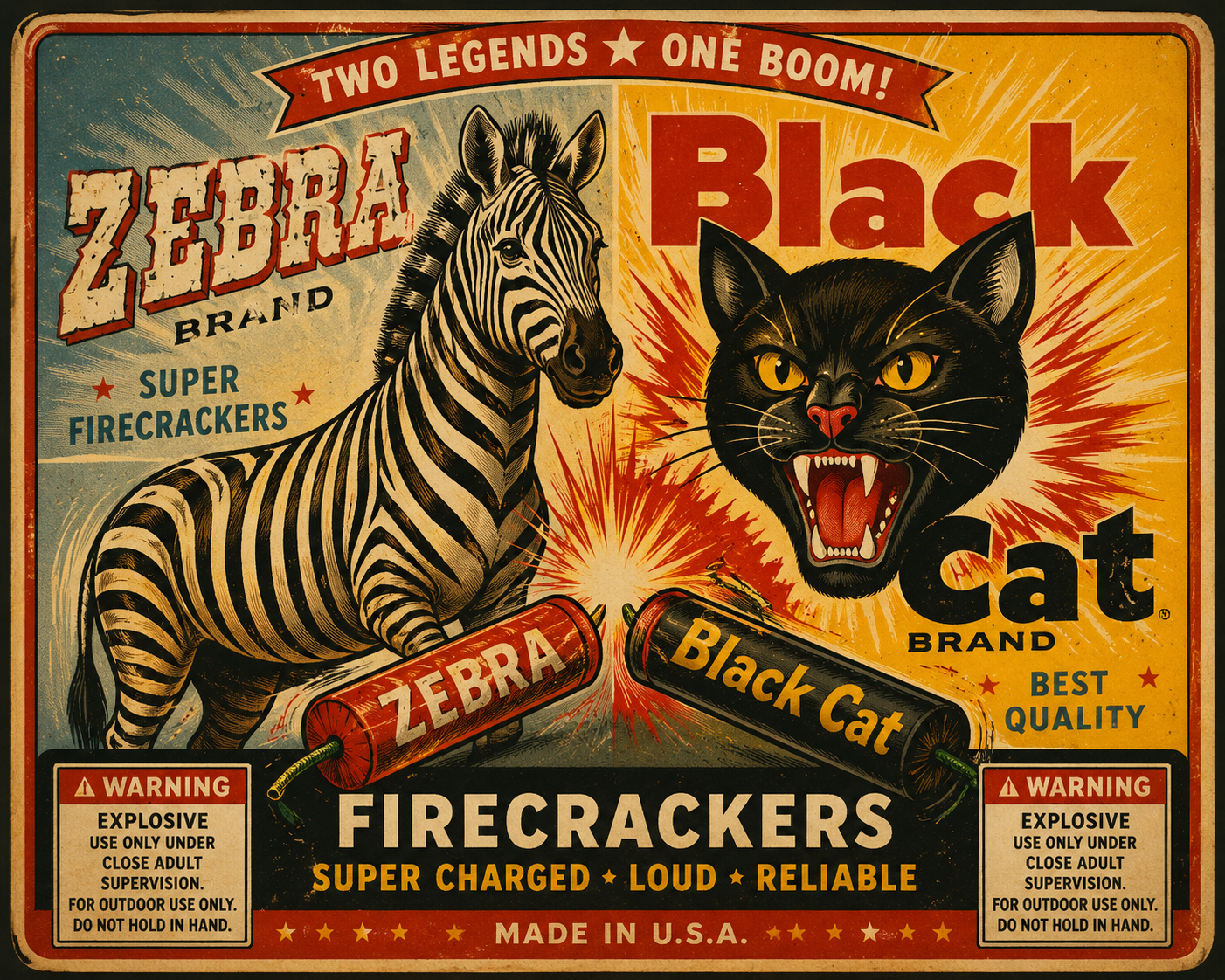
When I was a kid, firecrackers an inch and a half long were perfectly legal. The Zebra brand was the gold standard among neighborhood experts. I have no idea whether this was scientifically verified, but I was convinced Zebras had fewer duds than Black Cats. Every kid had an opinion, and every kid was certain he was right.
My parents allowed a few bottle rockets in the alley, but the real Fourth of July celebration happened at the Kishiyama place south of Cheyenne. Looking back, I’m amazed I survived childhood.
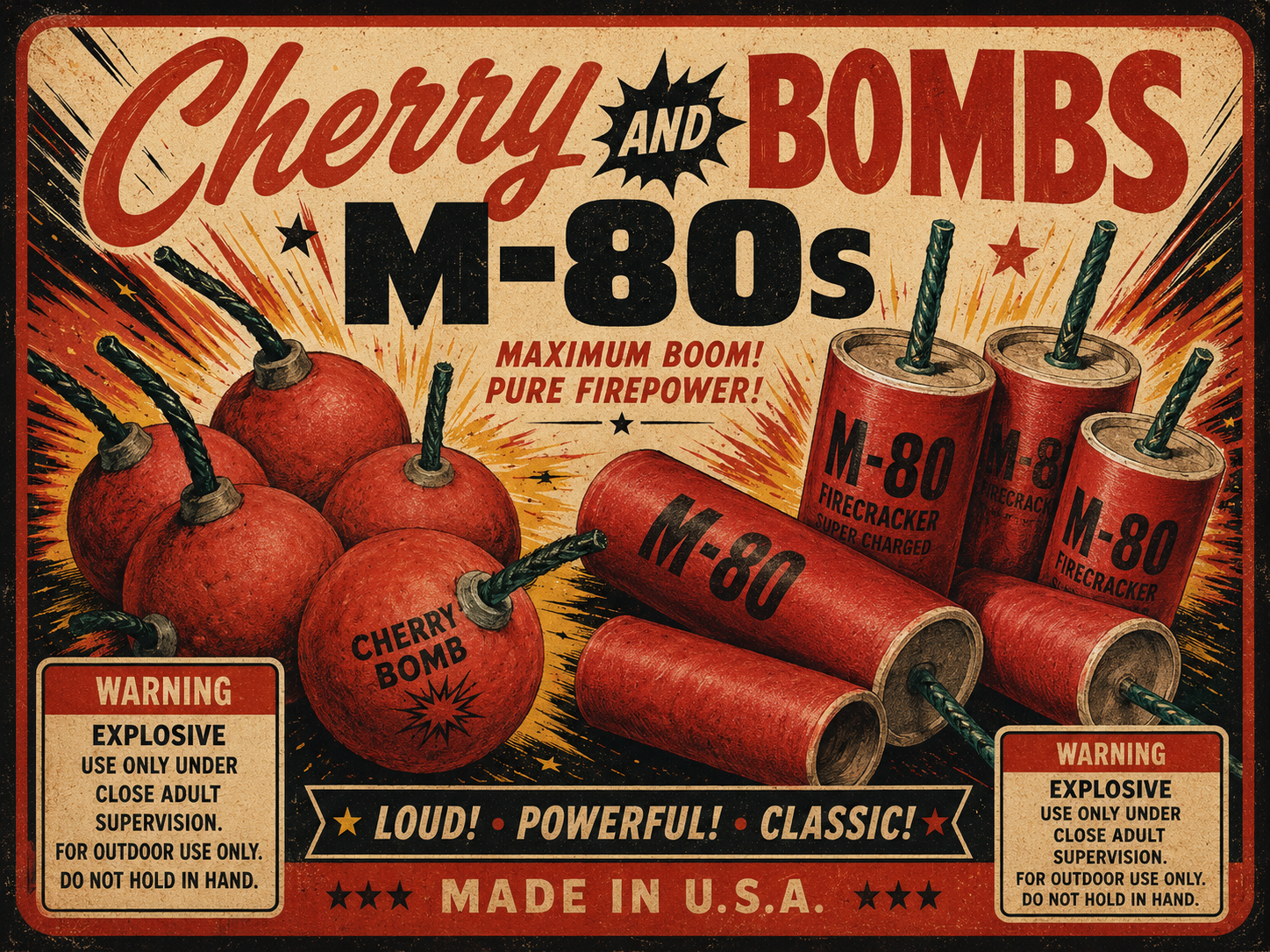
One of the men who worked for my dad made an annual pilgrimage to Nebraska and returned with contraband treasures: M-80s and cherry bombs. These were illegal in Wyoming, which increased their appeal. The M-80s were legendary. The cherry bombs looked harmless enough until they detonated with a satisfying boom that echoed across the prairie.
My dad allowed me to light them, fling them as far as I could, and wait for the explosion. Today, that sentence alone would give a safety inspector heart palpitations.
The vacant land behind our neighborhood became our battlefield. My friends and I played endless games of combat among the sagebrush and dry clay. Like countless boys of our generation, we experimented with homemade pyrotechnics that seemed ingenious at the time and reckless in retrospect. We dug foxholes, created miniature craters, and generally behaved in ways that would horrify modern parents.
The miracle is that we still have all our fingers.
Then came the fire.
At some point, a fireworks stand near the city limits caught fire and exploded like the first barrage of World War III. The city responded with an ordinance requiring that fireworks sales be conducted well outside town.
When we were adults, my cousin Matthew came to town over the Fourth of July. We decided to reexperience our childhood. We bought some fireworks and looked for a place to light them off. The Kishiyamas no longer lived on their ranchette. Everywhere we went, fireworks were not allowed.
What a letdown. I don’t know where we ended up, but the experience was no fun.
Entrepreneurs, being entrepreneurs, saw opportunity where the government saw regulation.
Soon, giant fireworks stores appeared south of Cheyenne near the Wyoming-Colorado travel corridors. What had once been a few temporary stands became a regional industry. Colorado customers crossed the state line in droves. Entire warehouses sprang up to meet the demand. Fireworks became big business.
In retrospect, Wyoming may have stumbled upon one of its more successful economic development programs.
Today, when I drive past the sprawling fireworks superstores south of Cheyenne, I think about those childhood summers. I remember the smell of gunpowder hanging in the evening air. I remember bicycle rides to the fireworks stand. I remember arguments about whether Zebra or Black Cat made the better firecracker. I remember the anticipation of waiting for dusk on the Fourth of July.
Mostly, I remember a time when Independence Day felt a little more independent.
Of course, every generation looks back on its childhood through rose-colored glasses. We remember the freedom and forget the close calls. There was something uniquely American about those Wyoming summers in the wide-open spaces, imagined war zones, fighting alongside Sgt. Saunders, of “Combat!” fame. The Fourth of July was the greatest holiday on the summer calendar.
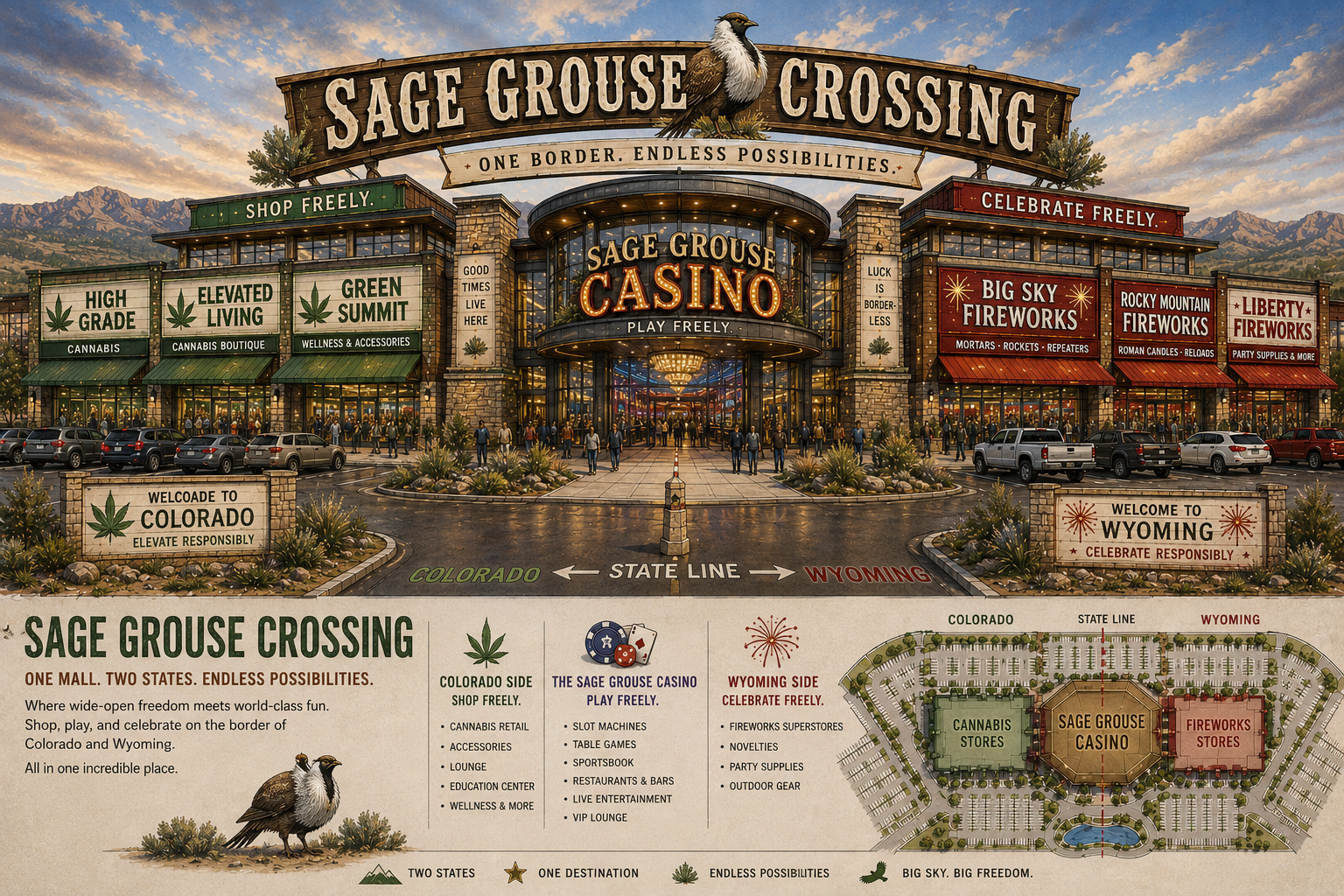
Speaking of economic development, instead of sprawling data centers, a pretty good business would be selling marijuana on the Colorado side of the state line and fireworks on the Wyoming side, straddled by a casino.

