
Turns out reusing microwave popcorn bags now counts as activism.
“Sustainability” is one of those words that started out meaning something specific and useful, then got run through enough marketing departments that it now sounds like a yoga retreat sponsored by a bank.
Back in the 1990s, the term actually had practical roots. I received a grant from the United States Environmental Protection Agency to use the Northern Arapaho Farm as a model for agricultural sustainability. EPA researchers promoted sustainable ag as a way for farmers and ranchers to remain economically viable.

Less fertilizer. Less pesticide. Less diesel. No-till seed drilling. Better water management. The idea was to stop going broke buying chemicals and fuel.
The environmental benefits were incidental. If you used fewer inputs, there was less poisonous and nitrogen runoff into streams and less soil erosion. Farmers got to keep more money. Everybody won.
That made sense to me.
Somewhere along the line, though, “sustainability” became a lifestyle brand.
The word appears on luxury condos, imported bottled water, and pricey organic kale chips shipped across three continents in a refrigerated truck.
Everything’s now “sustainable.”
Meanwhile, I’ve been practicing my own version of sustainability since the 1970s.
I’m not virtuous.
I’m cheap.
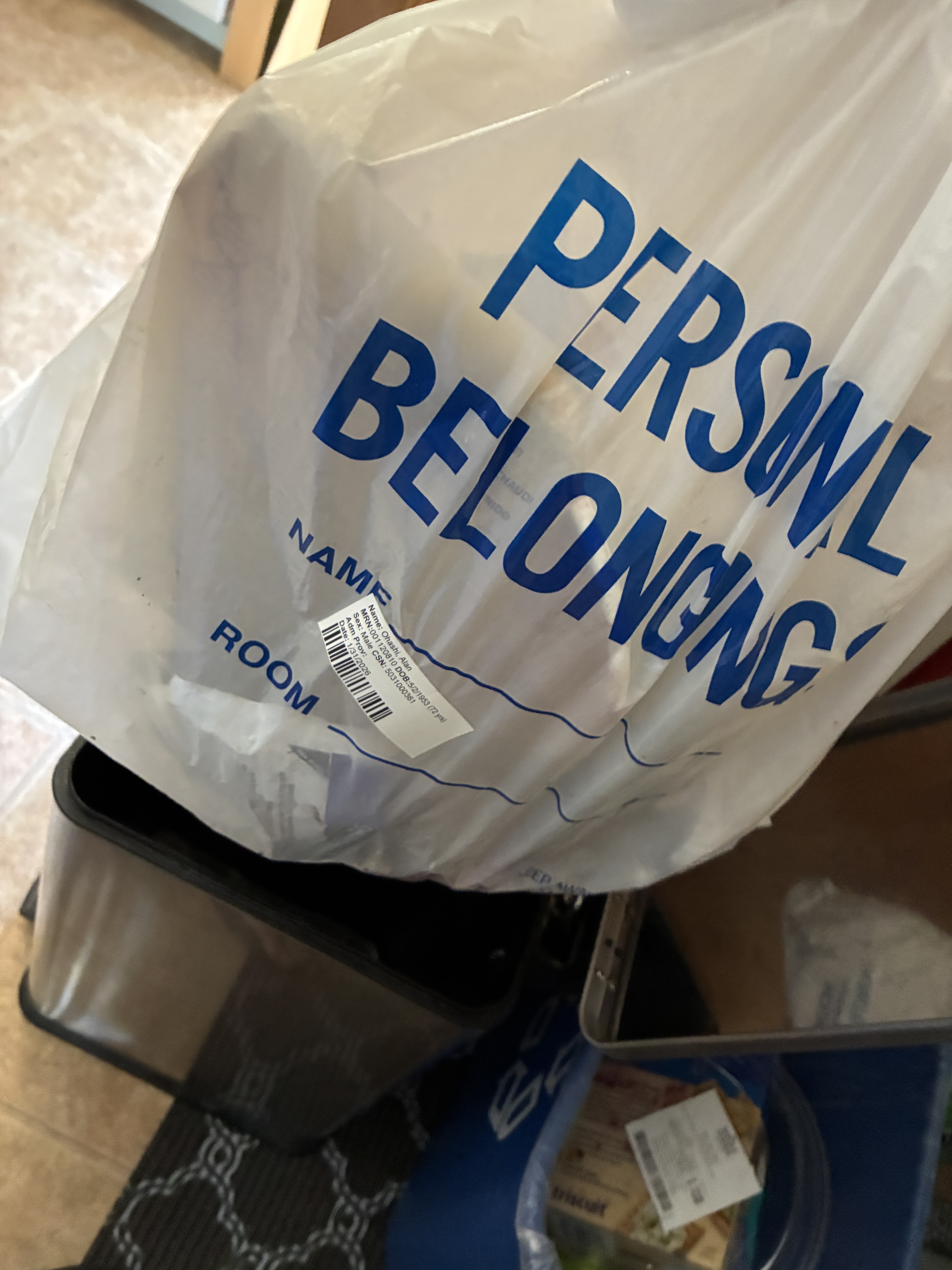
I haven’t used a store-bought trash bag since the Carter administration. Why would I? Grocery stores used to hand out perfectly good plastic bags for free.
Now that these bags cost a dime, I’ve adapted.
I now use patient “Personal Belongings” bags. Hospitals send your stuff home in large sturdy plastic sacks with drawstrings. Those things are practically military grade. You could store bowling balls in them. I reuse each one multiple times. Of course, I don’t account for the fact that the hospital probably billed my insurance company $50 for each one.
Every morning, I fill a reusable Keurig cup with coffee. I’m not saving the Earth. I refuse to pay sixty-five cents for a thimbleful of coffee sealed in a tiny plastic chalice engineered by NASA.
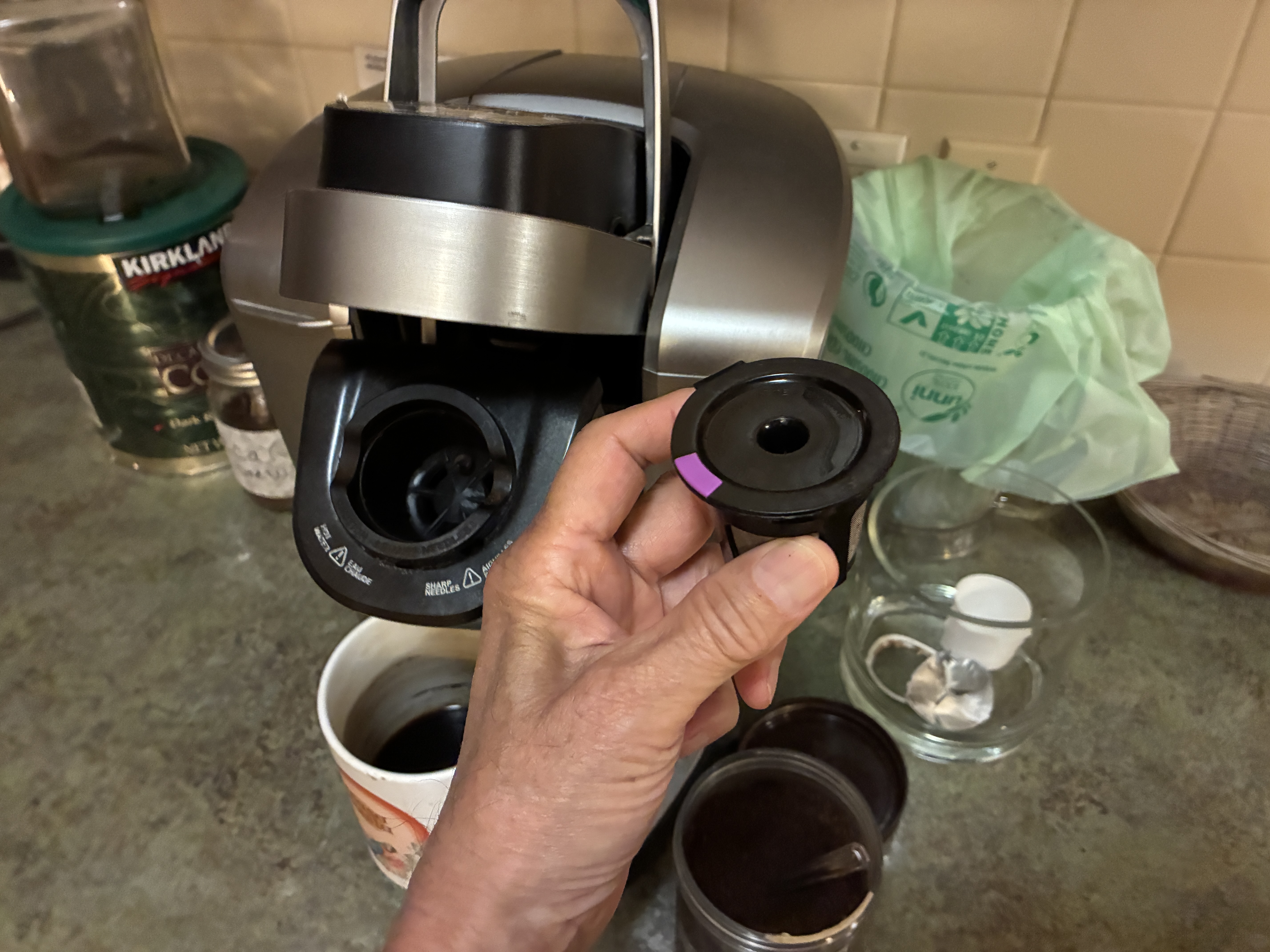
Spent Keurig cups aren’t safe from my program. I disassemble them like I’m operating a tiny recycling center in the kitchen.
Plastic and foil in the recycling bin. Coffee grounds in the compost.
By the time I’m done, I’ve spent seven minutes salvaging the components.
Even Moon the cat has become part of the operation.
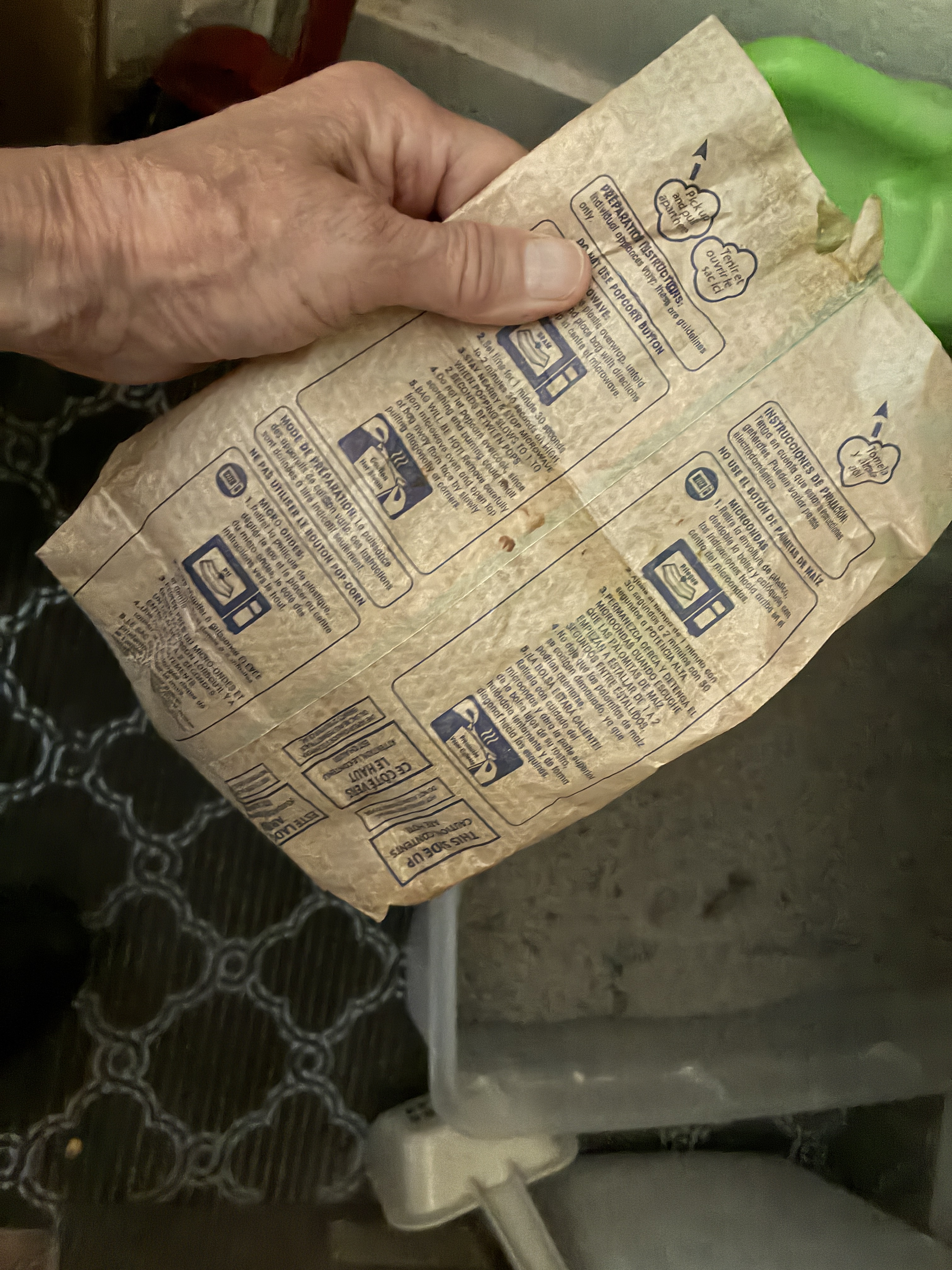
Cleaning her litter box is now a daily exercise in supply chain management. I save unrecyclable bags from tortilla chips, frozen vegetables, shredded cheese, and microwave popcorn. Commercially available unscented or scented cat poop bags run around fifteen cents each.
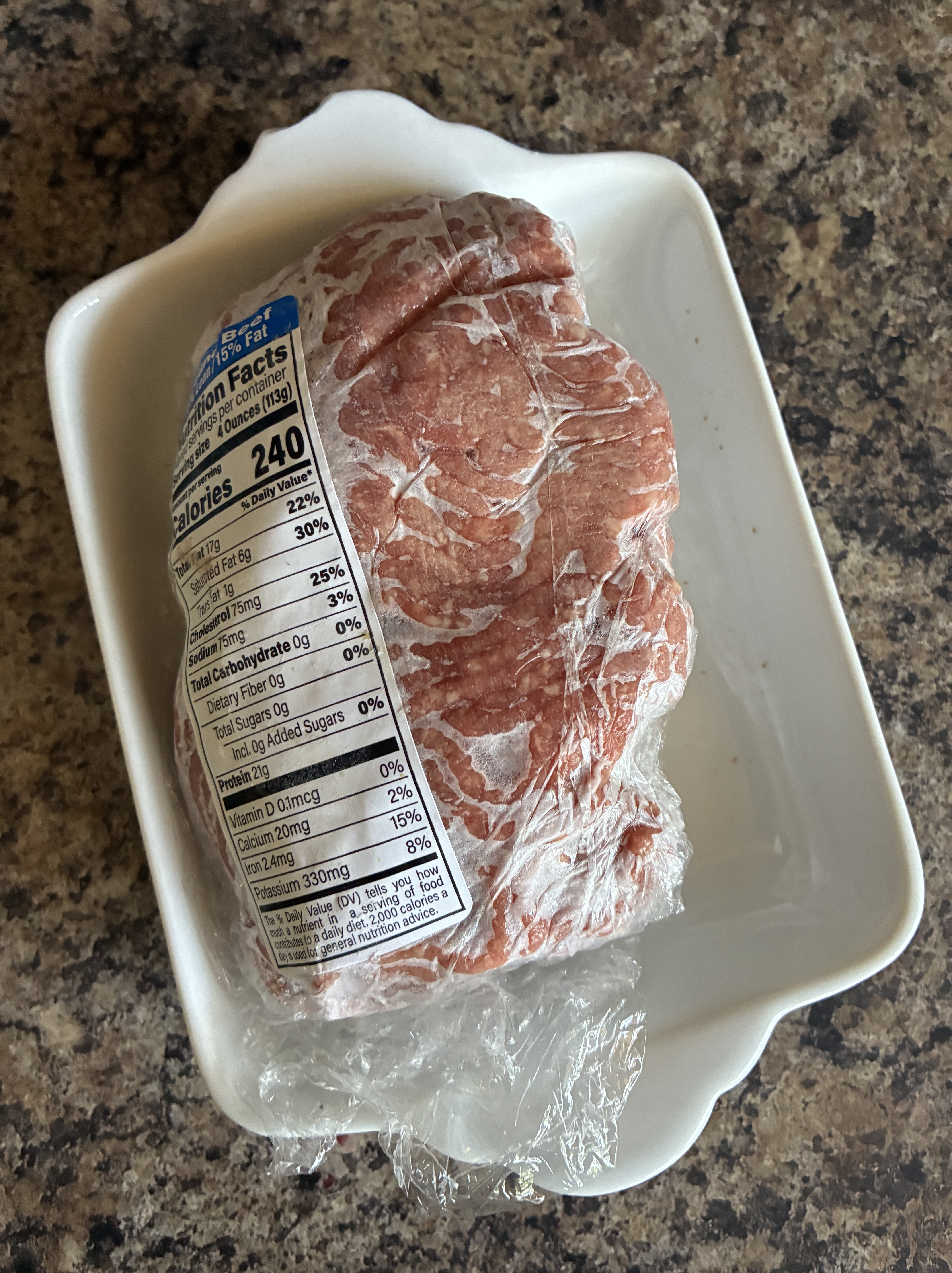
The plastic wrap from meat trays gets reused, too. Most people peel that stuff off and throw it away. Not me. I rinse it off and freeze leftovers with it later. Plastic wrap at Safeway costs three bucks for 200 square feet, a penny a square foot. Still, $3 us $3.
My ancestors who lived through the Great Depression are nodding proudly.
Financially, none of this may pencil out, but it feels correct.
That’s why I prefer the word “efficient” over “sustainable.” Efficient means getting the most out of what you have.
I don’t think of myself as “green,” but more as “cheap.”
Somewhere in America, sustainability experts are discussing circular waste streams and post-consumer reuse initiatives.
Being cheap has diverted more stuff from landfills than half the public and private sustainability reports ever printed.

