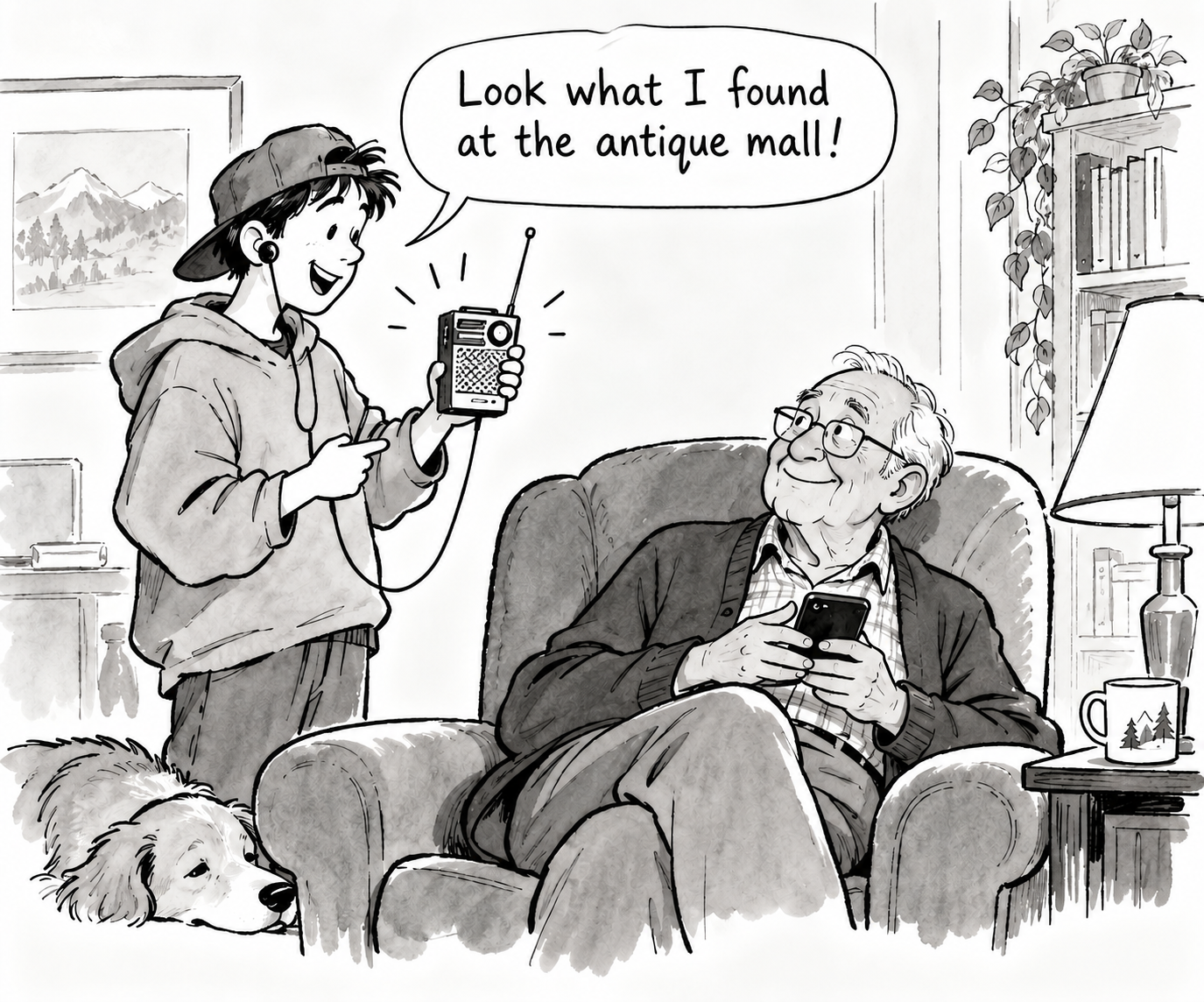
I saw a segment on the NBC Evening News saying Baby Boomers are becoming just as addicted to their mobile devices as Gen Z.
I don’t know why that’s surprising.
We Boomers have been connected since puberty.
When I was in junior high, I called a radio station, and for being the first to know that the Nile is the longest river in the world, I won a generic transistor radio in a brown leather case. I carried that little radio everywhere, listening to the Beatles through a single mono earphone.
Today’s teenagers walk around with wireless earbuds.
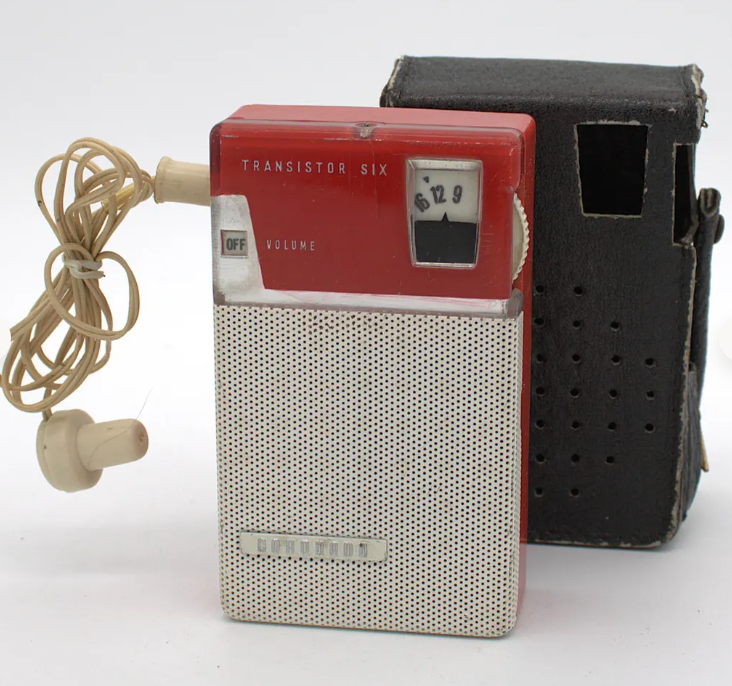
I blocked out the world with a transistor radio and a wire hanging out of my ear.
Same addiction. Better sound.
My grandmother later brought home a battery-operated Sony Micro TV from a vacation in Japan. She brought it on picnics so my grandfather could watch baseball.
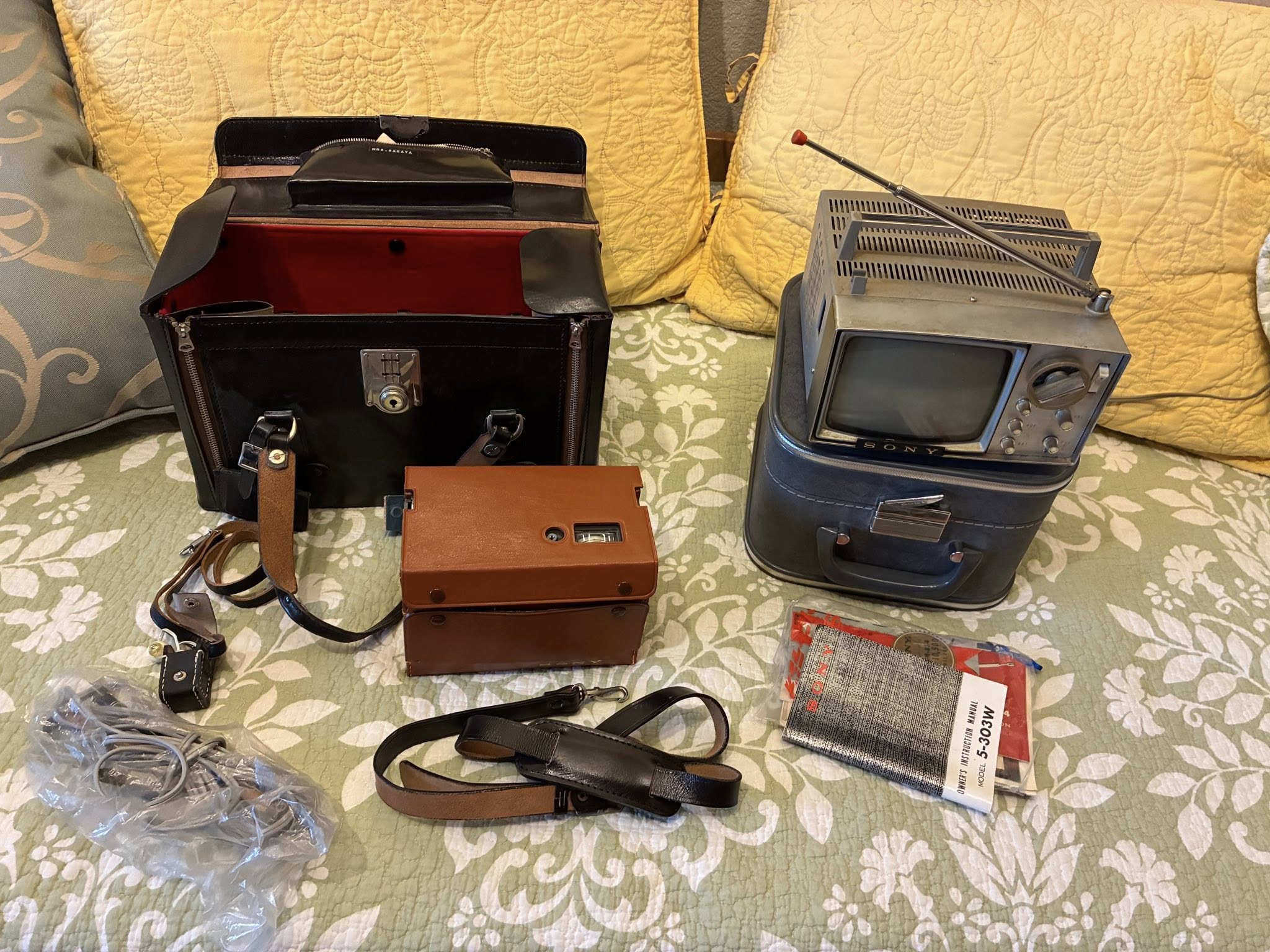
We took television with us on family outings before anyone had heard of streaming.
In the 1970s, I majored in science. The curriculum expected to do math. Texas Instruments introduced one of the first handheld electronic calculators. The school banned them from the classroom.
We had to do the calculations with a slide rule, pencil, and paper.
Educators already knew where this would be headed, and still do. In my CU intergenerational writing class, the department established ground rules for AI use. All the writing assignments are composed by hand in class.
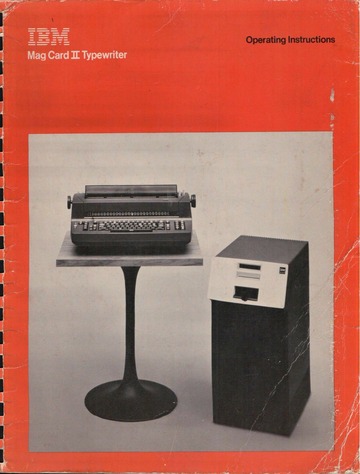
When I entered the workforce in 1977, the City of Gillette used Fortran-sized magnetic cards to store correspondence that could be typed on an IBM Selectric typewriter at the push of a button.
When I moved to Lander, I was in charge and convinced the city to buy a Lanier word processor that stored information on proprietary floppy disks. I had a DOS-based computer that ran Word Perfect without Windows.
I also wrote for the local Lander newspaper. In the late 1980s, the paper had networked Macintosh Model SE computers together and published digitally.
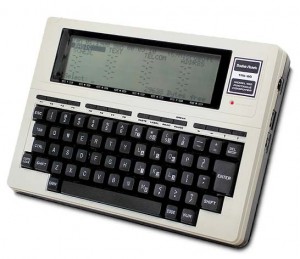
I got my first laptop, a TRS-80 Model 100 and an external hard drive.
This was cutting-edge technology.
The dot-matrix printer sounded like a small appliance factory every time you printed a page.
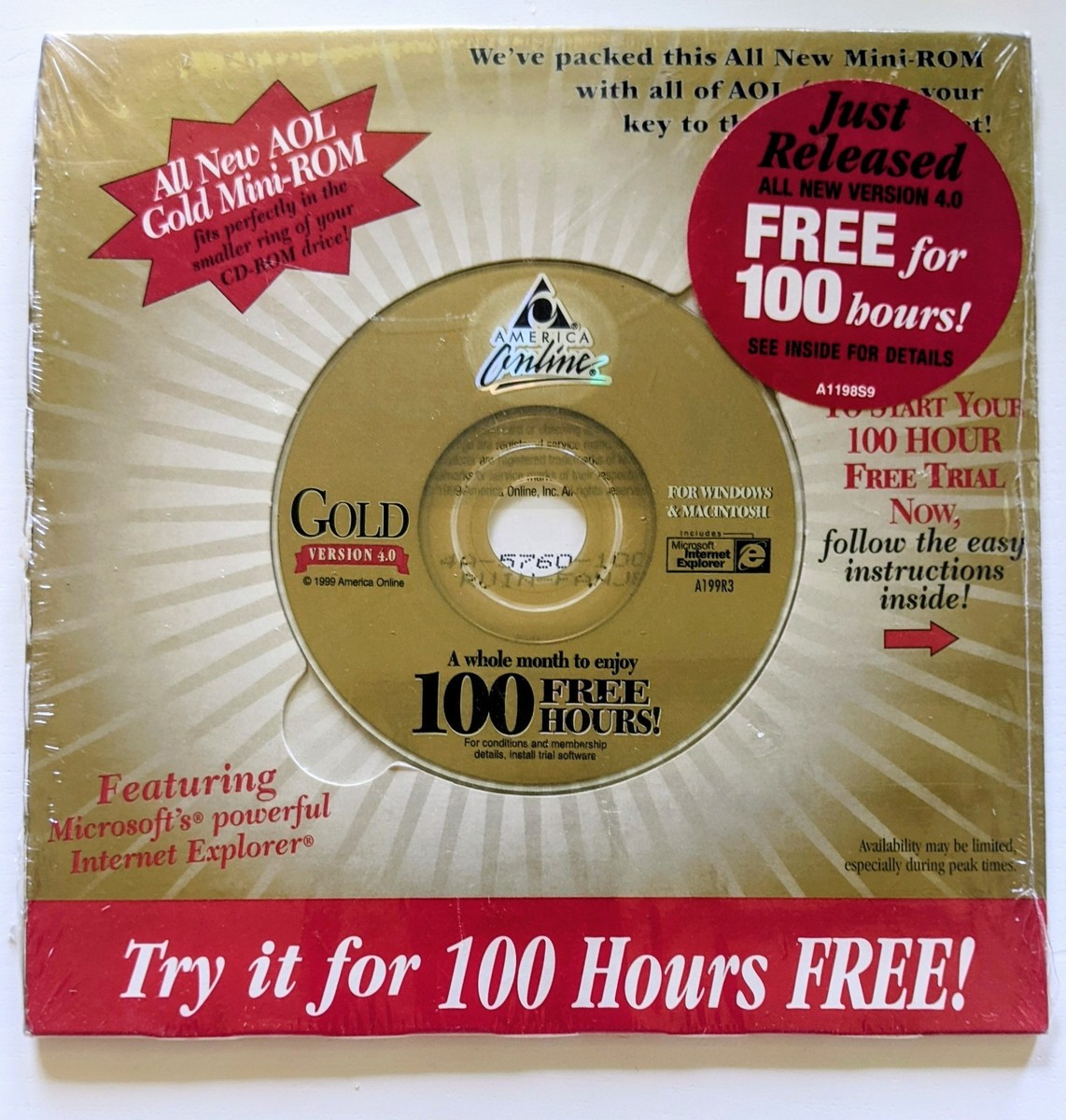
Then America Online started mailing its internet software on CDs. The newspaper office had a telephone modem cradle, and we could transmit stories electronically.
Remember the sound of a dial-up connection?
Rheeeeeee!
A miracle.
By the 1990s, I was living in Boulder, where Indra was an early internet service provider. I got my first email account. It’s now out of business, but I still use my adoecos handle on Yahoo!
Technology accelerated.
In the early 1990s, I bought a bulky Nokia 101, then upgraded to a 1011. It could send text messages, although “user-friendly” would not have been the first phrase that came to mind.
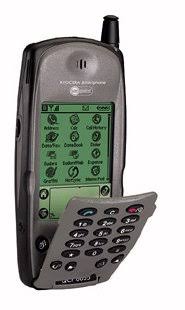
In 2001, I switched to a Kyocera. It had a flip-down keyboard that exposed a screen where I could use a stylus to select apps and scribble emails using Kyocera’s graffiti shorthand.
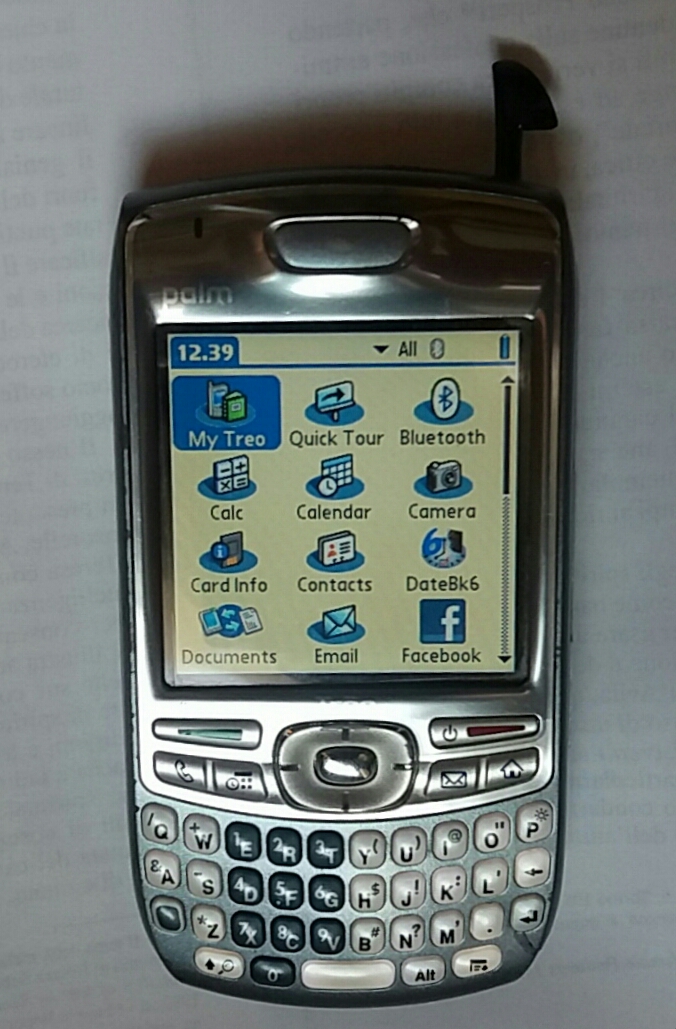
By 2004, I had moved on to a Palm with a camera and an actual keyboard.
I’ll stop there, because this list could get ridiculous.
The transistor radio became the smartphone.
The mono Beatles earphone became AirPods.
The Sony Micro TV became streaming video.
The calculator became a personal computer.
The magnetic card became the cloud.
The telephone modem became Wi-Fi.
We Boomers didn’t discover technology. We kept upgrading analog versions of it, and ourselves.
Like kids today, my information flow sped up as a teenager. The difference is that Gen Z was born into the digital revolution and didn’t have to wait.
We Boomers had a front-row seat to it all.
Since doomsdayers predict AI will bring the end of humankind, I’ll dig out a transistor radio and listen to the Beatles when World War III starts.

