How Baby Boomers Became Mobile Device Addicts Like Gen Z

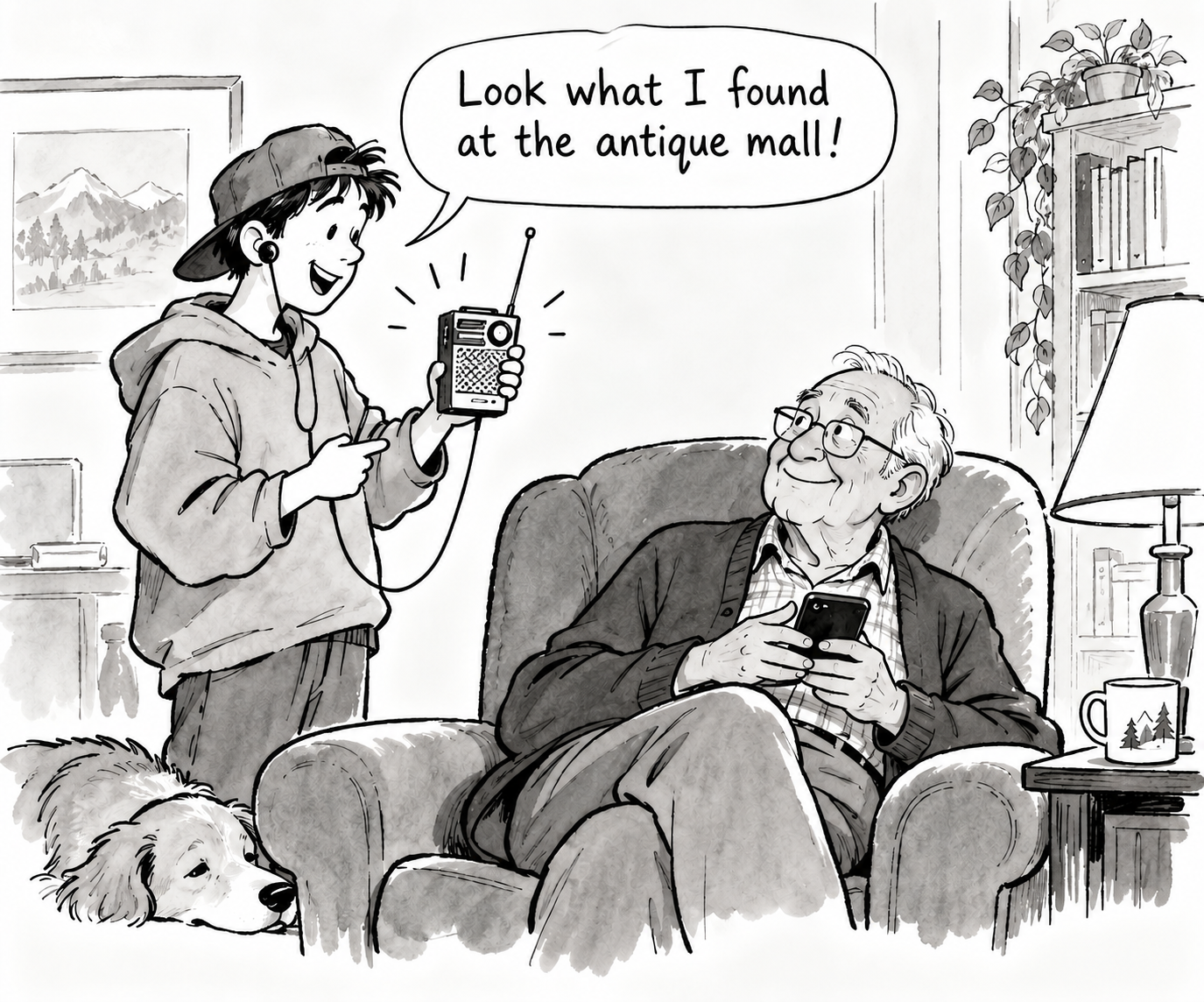
A boy excitedly shows an old radio he found at an antique mall to an elderly man sitting in a chair, who is smiling and holding a smartphone. A dog rests on the floor nearby.

I saw a segment on the NBC Evening News saying Baby Boomers are becoming just as addicted to their mobile devices as Gen Z.

I don’t know why that’s surprising.

We Boomers have been connected since puberty.

When I was in junior high, I called a radio station, and for being the first to know that the Nile is the longest river in the world, I won a generic transistor radio in a brown leather case. I carried that little radio everywhere, listening to the Beatles through a single mono earphone.

Today’s teenagers walk around with wireless earbuds.
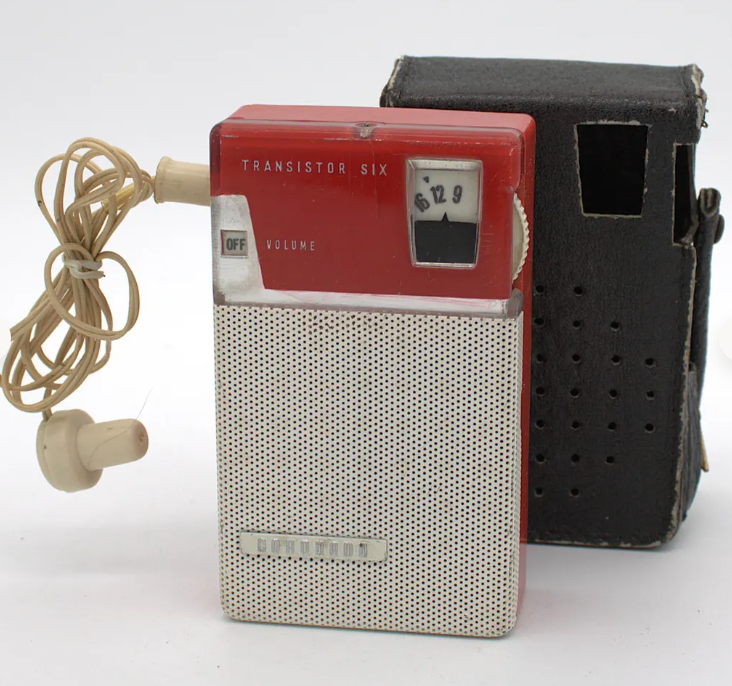
A vintage transistor radio, red and silver in color, with a volume control and an earphone connected, next to a black carrying case.

I blocked out the world with a transistor radio and a wire hanging out of my ear.

Same addiction. Better sound.

My grandmother later brought home a battery-operated Sony Micro TV from a vacation in Japan. She brought it on picnics so my grandfather could watch baseball.
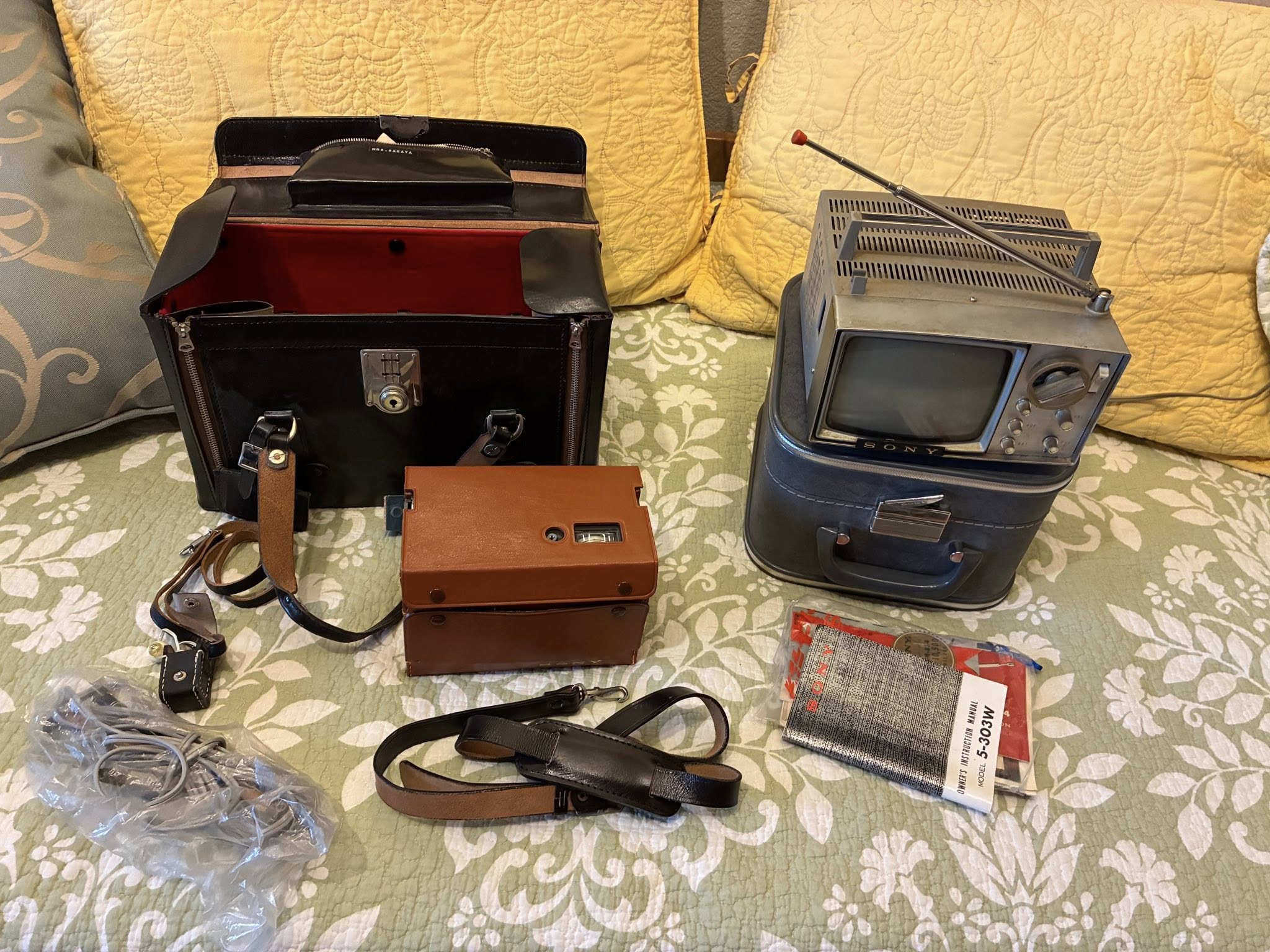
A collection of vintage electronics including a black leather camera bag, a brown camera, a small vintage Sony television with a retractable antenna, and additional accessories laid on a floral patterned fabric.

We took television with us on family outings before anyone had heard of streaming.

In the 1970s, I majored in science. The curriculum expected to do math. Texas Instruments introduced one of the first handheld electronic calculators. The school banned them from the classroom.

We had to do the calculations with a slide rule, pencil, and paper.

Educators already knew where this would be headed, and still do. In my CU intergenerational writing class, the department established ground rules for AI use. All the writing assignments are composed by hand in class.
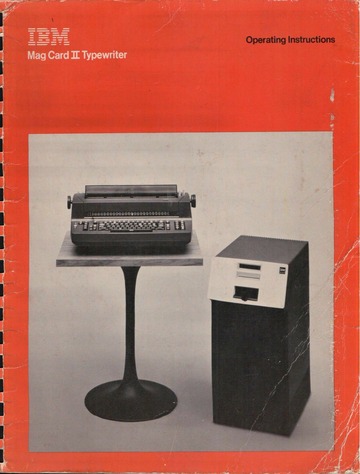
Cover of an IBM Mag Card II Typewriter operating instructions manual featuring the typewriter on a table and a data processor unit or card reader beside it.

When I entered the workforce in 1977, the City of Gillette used Fortran-sized magnetic cards to store correspondence that could be typed on an IBM Selectric typewriter at the push of a button.

When I moved to Lander, I was in charge and convinced the city to buy a Lanier word processor that stored information on proprietary floppy disks. I had a DOS-based computer that ran Word Perfect without Windows.
A vintage portable electronic typewriter with a built-in LCD screen and a QWERTY keyboard.

I also wrote for the local Lander newspaper. In the late 1980s, the paper had networked Macintosh Model SE computers together and published digitally.

I got my first laptop, a TRS-80 Model 100 and an external hard drive.

This was cutting-edge technology.

The dot-matrix printer sounded like a small appliance factory every time you printed a page.

Then America Online started mailing its internet software on CDs. The newspaper office had a telephone modem cradle, and we could transmit stories electronically.
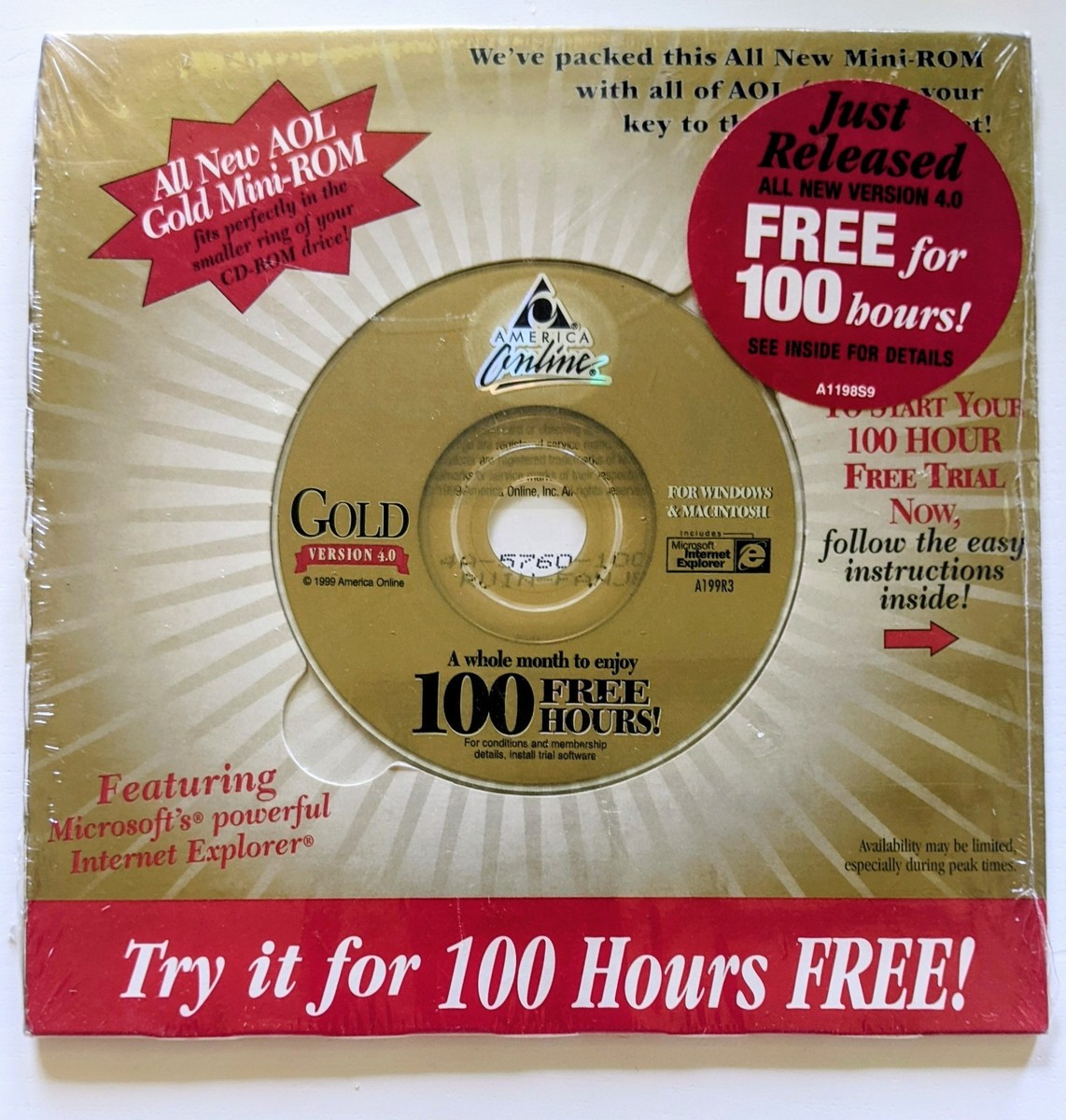
A package containing an AOL Gold Mini-ROM CD, featuring a promotional offer for 100 free hours of internet access, highlighting compatibility with Windows and Macintosh.

Remember the sound of a dial-up connection?

Rheeeeeee!

A miracle.

By the 1990s, I was living in Boulder, where Indra was an early internet service provider. I got my first email account. It’s now out of business, but I still use my adoecos handle on Yahoo! 

Technology accelerated.

In the early 1990s, I bought a bulky Nokia 101, then upgraded to a 1011. It could send text messages, although “user-friendly” would not have been the first phrase that came to mind.
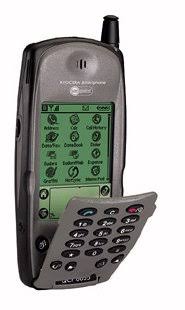
An old-fashioned mobile phone with a flip-out keypad and a green screen displaying various functions and options.

In 2001, I switched to a Kyocera. It had a flip-down keyboard that exposed a screen where I could use a stylus to select apps and scribble emails using Kyocera’s graffiti shorthand. 

By 2004, I had moved on to a Palm with a camera and an actual keyboard.

I’ll stop there, because this list could get ridiculous.

The transistor radio became the smartphone.

The mono Beatles earphone became AirPods.
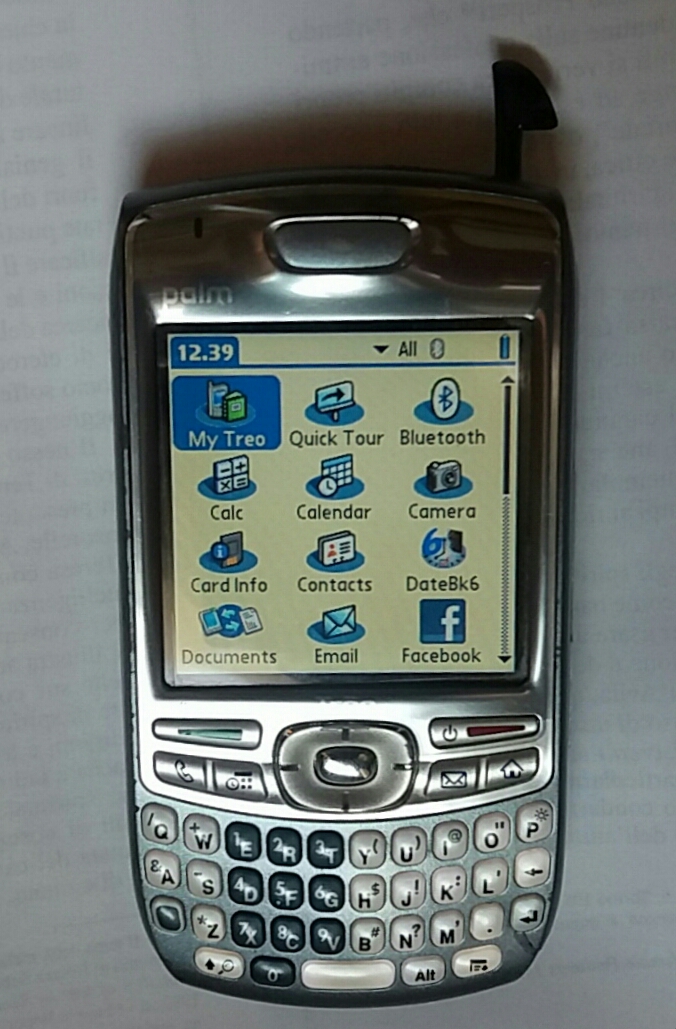
A close-up of a Palm Treo smartphone displaying its main menu, featuring icons for various applications such as Calendar, Contacts, and Facebook.

The Sony Micro TV became streaming video.

The calculator became a personal computer.

The magnetic card became the cloud.

The telephone modem became Wi-Fi.

We Boomers didn’t discover technology. We kept upgrading analog versions of it, and ourselves.

Like kids today, my information flow sped up as a teenager. The difference is that Gen Z was born into the digital revolution and didn’t have to wait.

We Boomers had a front-row seat to it all.

Since doomsdayers predict AI will bring the end of humankind, I’ll dig out a transistor radio and listen to the Beatles when World War III starts.
Small Ways to Make a Big Difference in 2026

If you watch the news every day, you’d think the world is spinning out of control and that life in America couldn’t possibly be worse. Chaos is everywhere. Nothing is working. Everything is broken.

Here’s something worth remembering as we step into 2026. The news isn’t a record of normal life. It’s a record of exceptions.

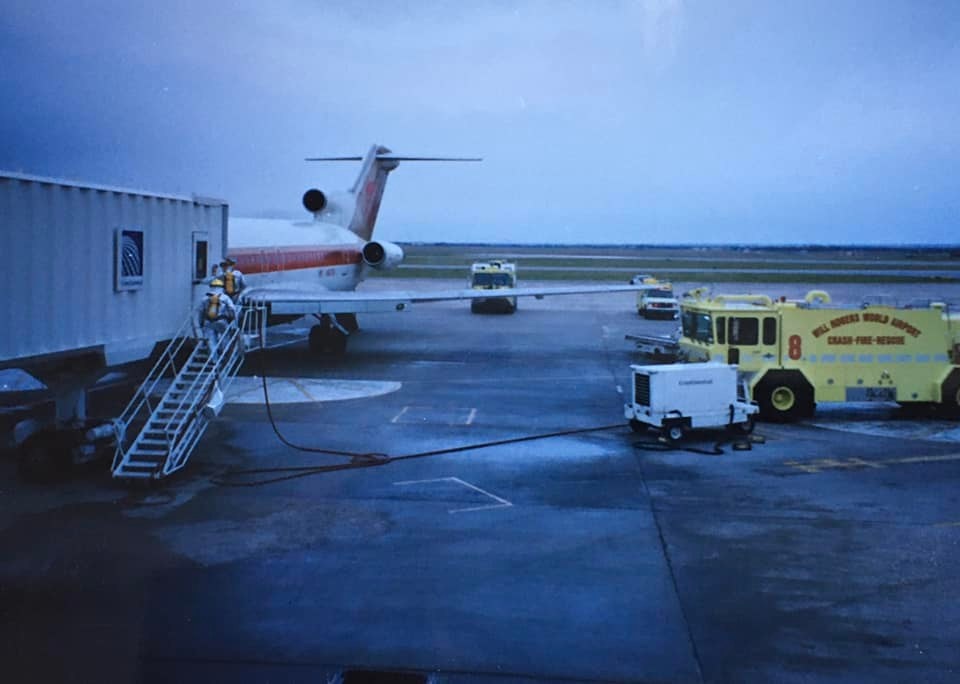
Roughly 100,000 airplane flights land safely every single day. No one reports on that. What makes the headlines is the one flight that nearly misses another by a few thousand feet. One rare, frightening moment becomes the story, while the ordinary success disappears into the atmosphere. I was on a flight that made an emergency landing in Oklahoma City after a cockpit fire.

We consume the world the same way.

Some people struggle, some far more than most. The economic imbalance in this country is real and long-standing. The top 10% of Americans hold nearly 60% of the nation’s wealth and control over 93% of the stock market. Meanwhile, the bottom 50%, most of us are included here, share only about 2.5 to 3% of total wealth.

That gap didn’t start yesterday, and it isn’t shocking anymore, which is exactly why it rarely makes headlines.

What doesn’t get covered is the homeless family struggling day after day, because that story has become tragically ordinary. Ironically, the moment that family does make the news is when a Good Samaritan shows up with a check and a camera, because that visible act of generosity is the exception.

I know my life isn’t newsworthy. I do well enough to get by. I’m not worried about myself. I’ll admit that I often feel stuck when I wonder how I can actually make life better for someone else in 2026.

I don’t have thousands of dollars to give away. I’m not going to trend on social media for doing the right thing. Maybe that’s the point.

What One Person Can Do in 2026

Making a difference doesn’t require a headline. It requires consistency. Here are a few ways I’m thinking about showing up quietly and imperfectly in the year ahead:

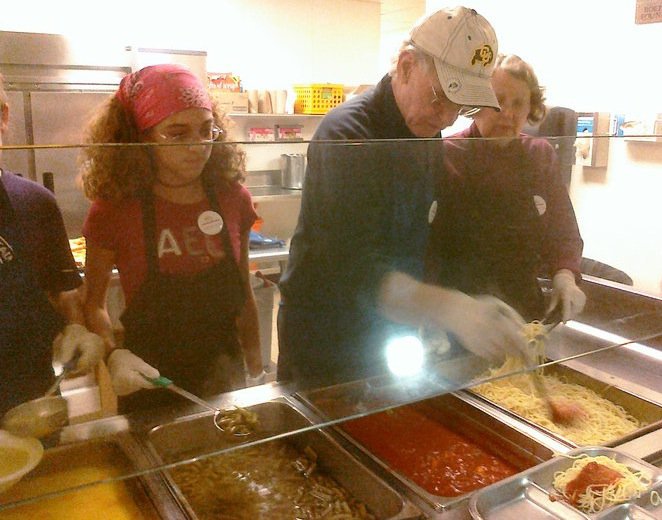
  • Support locally and repeatedly. On “Giving Tuesday,” I donate $5 to a bunch of small nonprofits. I either know someone who works there or have received services from them. Small and consistent giving matters more than one dramatic gesture. The image is from a night the Bethel Methodist Church volunteers served dinner at the Boulder Homeless Shelter.
  • Pay attention to proximity. The people who need help most are often the ones closest to us, like our neighbors, coworkers, and families in our community. Noticing is the first step.
  • Use skills, not just money. Skills such as teaching, writing, mentoring, repairing, and organizing can improve life in ways cash alone doesn’t.
  • Tell better stories. Share stories of resilience and dignity, rather than those about crisis. Remind people that struggle doesn’t erase humanity.
  • Vote with time and intention. Where we spend our time, our energy, and who wins our votes, quietly shapes the future more than outrage ever will.
  • Be a steady presence. Showing up again and again, especially when no one is watching, is how trust is built.

Widen your lens 2026

The start of a new year is when we usually turn inward. We resolve to lose weight, get a better job, quit gambling, drink less, and do more yoga. Those are good, necessary goals. Taking care of ourselves matters.

I don’t know anyone who truly wishes ill will on others. I don’t know anyone who doesn’t, at least in principle, want the world to be better than it is. Most of us are overwhelmed and not cruel. I get tired. I’m unsure where to begin.

In 2026, here’s where I’m starting.

Do good, and do no harm.

If you can help, help.
If you can’t help, don’t hurt.
If you’re unsure what to do, choose kindness over indifference.

I know that I can’t fix everything in the world. I doubt that I’ll grab a headline or a viral Facebook moment.

As we move into 2026, my hope for myself and for anyone reading this is that we strive to improve our own lives while remembering we’re not alone in this. Each of us needs to make one choice today that leaves someone else a little better off than they were before they crossed your path.

It might look like patience.
It might look like listening.
It might look like showing up when it’s inconvenient.

Those choices aren’t newsworthy, but they make life livable.

That’s a future worth building.

Leave a comment

← Back

Thank you for your response. ✨