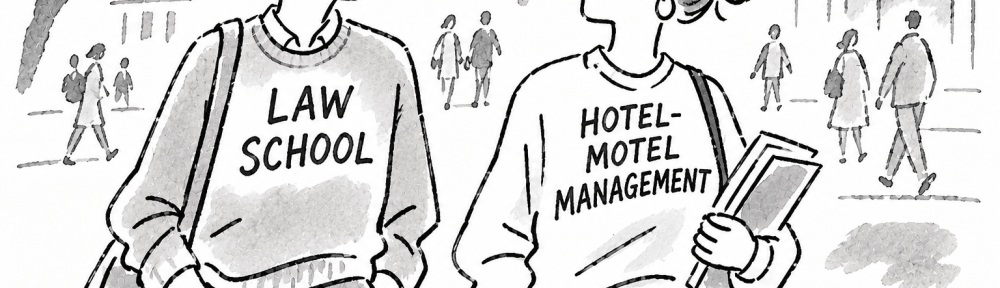
If I had taken a different path in higher education after graduating from high school in 1971. I would have attended Laramie County Community College. Voters approved LCCC in 1969 and initially enrolled 1,200 students in classes held in temporary venues.
I’m a terrible test-taker, particularly on multiple-choice tests. Because all the answers seemed right to me, I didn’t score that well on the ACT and SAT. If I had enrolled at LCCC, I wouldn’t have needed to take standardized tests. I would have finished school as an upperclassman.
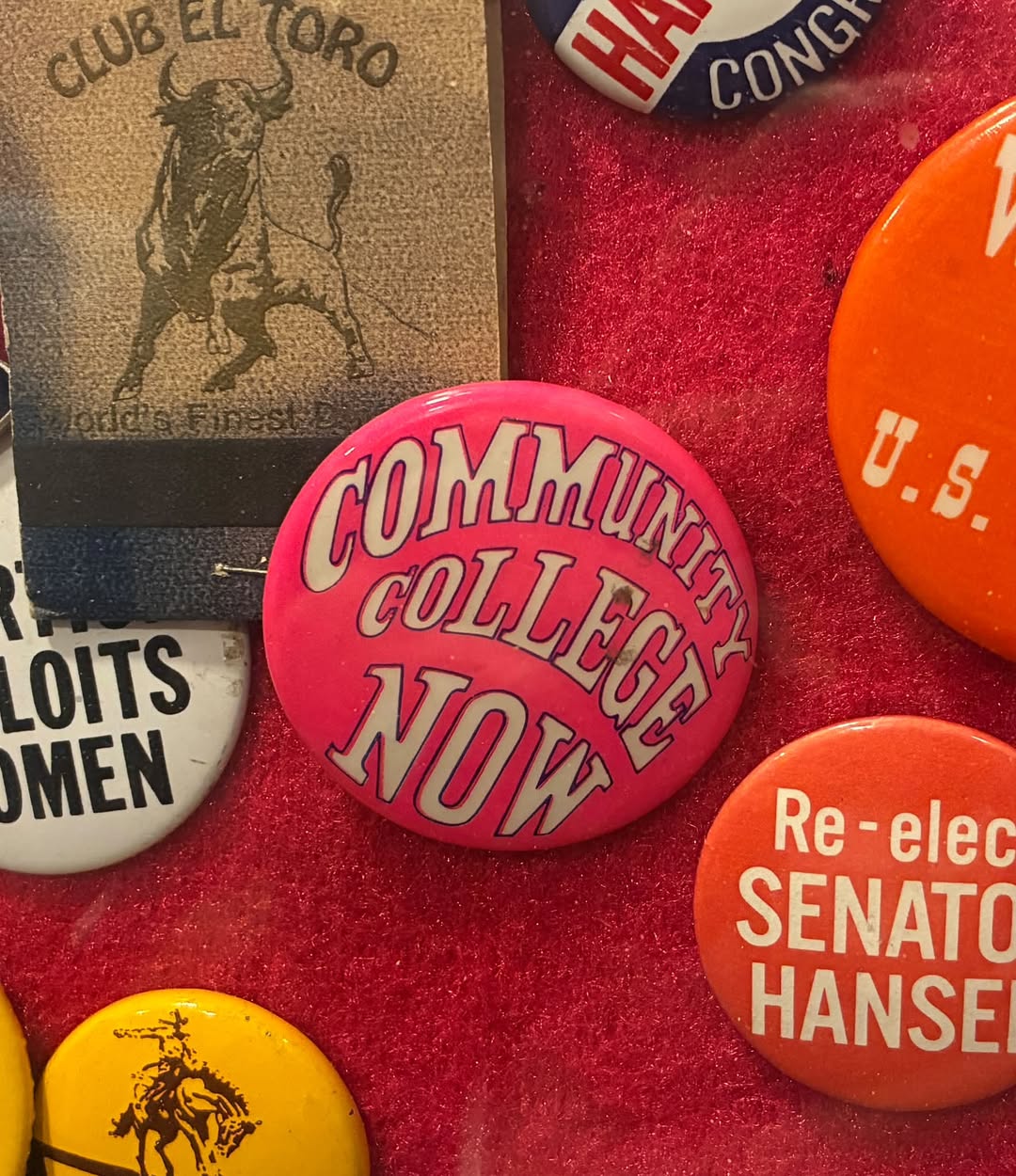
The Trump administration was on the right track in emphasizing trade schools, vocational education, community colleges, and workforce training as alternatives to four-year college degrees.
Bringing back shop and home economics classes in high schools is a good idea, too. Not every student needs to head directly to a university after graduation. Young people should have opportunities to learn practical skills, whether that’s repairing an automobile, wiring a house, preparing a meal, managing a household budget, or using tools safely.
These aren’t second-rate educational experiences. They’re life skills, and they can lead to rewarding careers.
The administration deserves credit for challenging the assumption that a four-year degree is the only respectable measure of educational achievement. It went too far when that emphasis turned into an attack on higher education itself. Gutting research grants and using federal funding to punish or pressure prestigious universities is counterproductive.
Depending on how the 119th Congress handles the looming continuing funding resolution vote in December, the incoming Congress won’t be able to restore any funding cuts until the new deadline, expected in February or March. I’ll discuss those options in an upcoming story.
Universities aren’t just places where students earn degrees. They’re also engines of scientific discovery, medical research, technological innovation, and economic development. Research at American universities has driven advances in medicine, agriculture, engineering, computing, and countless other fields.
Cutting off research funding doesn’t make education more practical. It risks undermining the very innovations that create tomorrow’s jobs. Regardless, Google needs electricians to change fuses when too many Keurig coffee makers are plugged into one outlet. SpaceX needs plumbers to replace leaky restroom toilets.
There’s room for both approaches. We need more opportunities for students who want to learn a trade, and we need strong universities that educate scientists, engineers, teachers, doctors, and researchers.
The bipartisan appeal of career and technical education, apprenticeships, community colleges, and employer-sponsored training offers Democrats and Republicans an opportunity to work together. Congress can expand access to these programs, encourage partnerships between schools and businesses, and help workers retrain as industries change.
Artificial intelligence and automation make this particularly important. The workforce will need people who understand technology, but it will also need electricians, plumbers, nurses, technicians, construction workers, and skilled tradespeople who can install, repair, and maintain the infrastructure that keeps communities running.
A good education should prepare people for meaningful work, whatever path they choose. A bachelor’s degree, a technical certificate, an apprenticeship, or a combination of education and experience should all be respected.

