
Health care should be a top priority for the incoming 120th Congress, which has recently announced priorities. Sweeping health care reform likely won’t happen, mainly because any legislation is likely to be vetoed. Much could be accomplished administratively, if executive departments are open to incremental changes.
Health care affects everyone, but not everyone experiences the system in the same way. Some Americans receive insurance through their employers. Others buy individual policies, are self-employed, rely on Medicare or Medicaid, receive veterans’ or military health benefits, or have no insurance.

Citizens may never have enrolled in Medicare or Medicaid, but they still have a stake in how those programs work. They pay taxes, support family members who rely on public programs, and experience the same rising health care costs that affect everyone else.
According to the U.S. Census Bureau’s 2025 report, employer-sponsored insurance remains the largest source of coverage, reaching 53.5 percent of the population. Medicare covers 20.1 percent, Medicaid 17.1 percent, and individually purchased insurance 10.5 percent. Veterans and military health programs cover additional populations. Approximately 26.7 million Americans went the entire year without health insurance.
These categories overlap, but they show the many ways Americans obtain health care coverage.
We also need to clear up a misconception about Medicare for All. Publicly financed health care isn’t necessarily socialized medicine. The government doesn’t own most hospitals or employ most doctors who treat Medicare patients. Medicare pays independent physicians, private hospitals, clinics, laboratories, and other health care providers for the services they deliver. Medicaid also relies heavily on private and community-based providers, alongside public facilities.
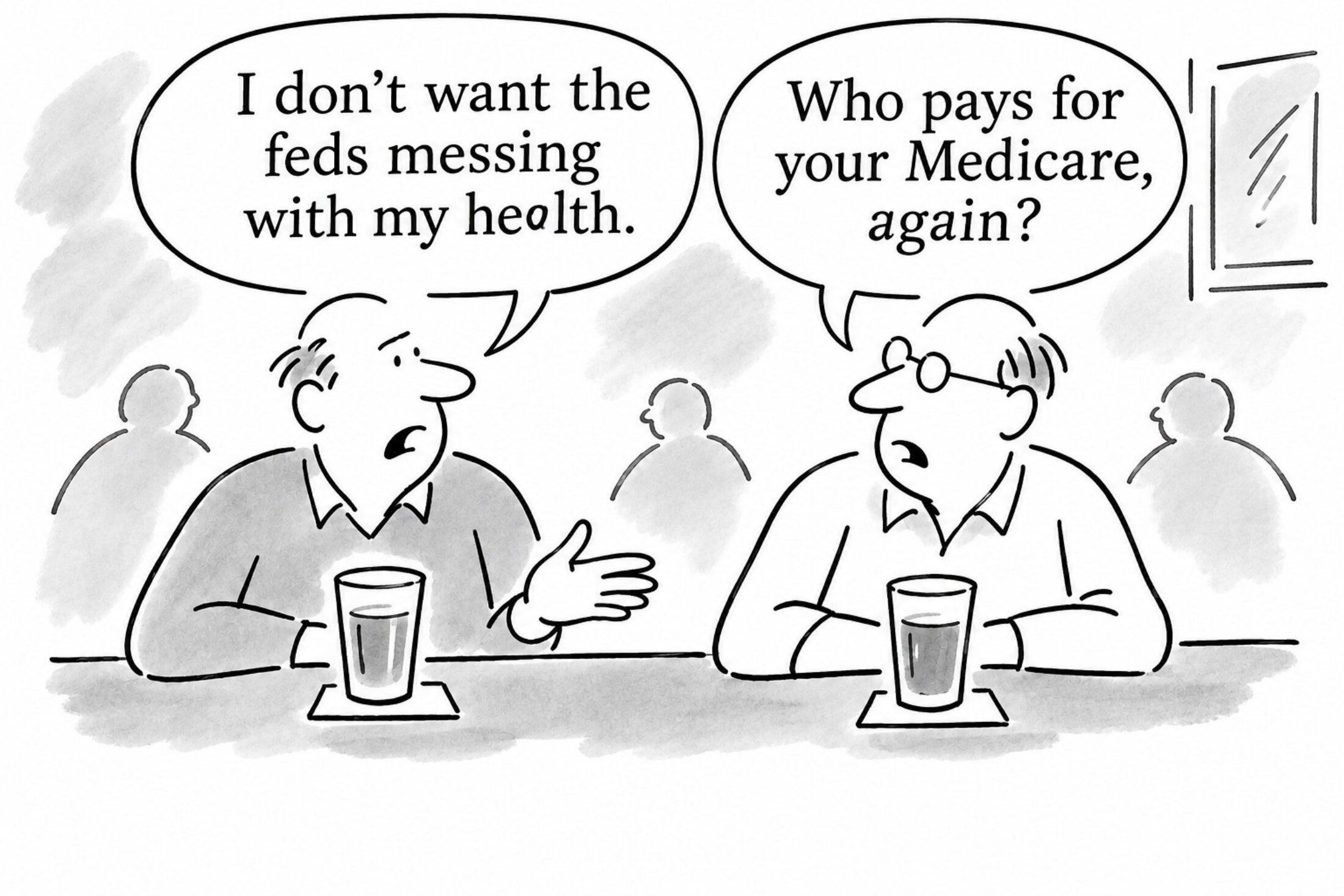
In other words, government financing and private health care delivery already coexist. Expanding coverage doesn’t automatically mean eliminating private hospitals, independent doctors, or the health care businesses that serve patients.
There is a distinction between preserving private health care delivery and preserving the existing insurance business model. Some Medicare for All proposals would replace much of the private insurance market for covered services. Insurance companies could lose some of their current business, although other models could retain them in administrative, supplemental, or other roles. Hospitals and physicians would continue delivering care, but payment arrangements and reimbursement rates could change.
The overall goal should be affordable, accessible health care, not winning an ideological argument about whether to finance it through socialism vs. capitalism. Rather than making the debate about government versus the private sector, Democrats can start with common-sense objectives that people across the political spectrum can recognize:
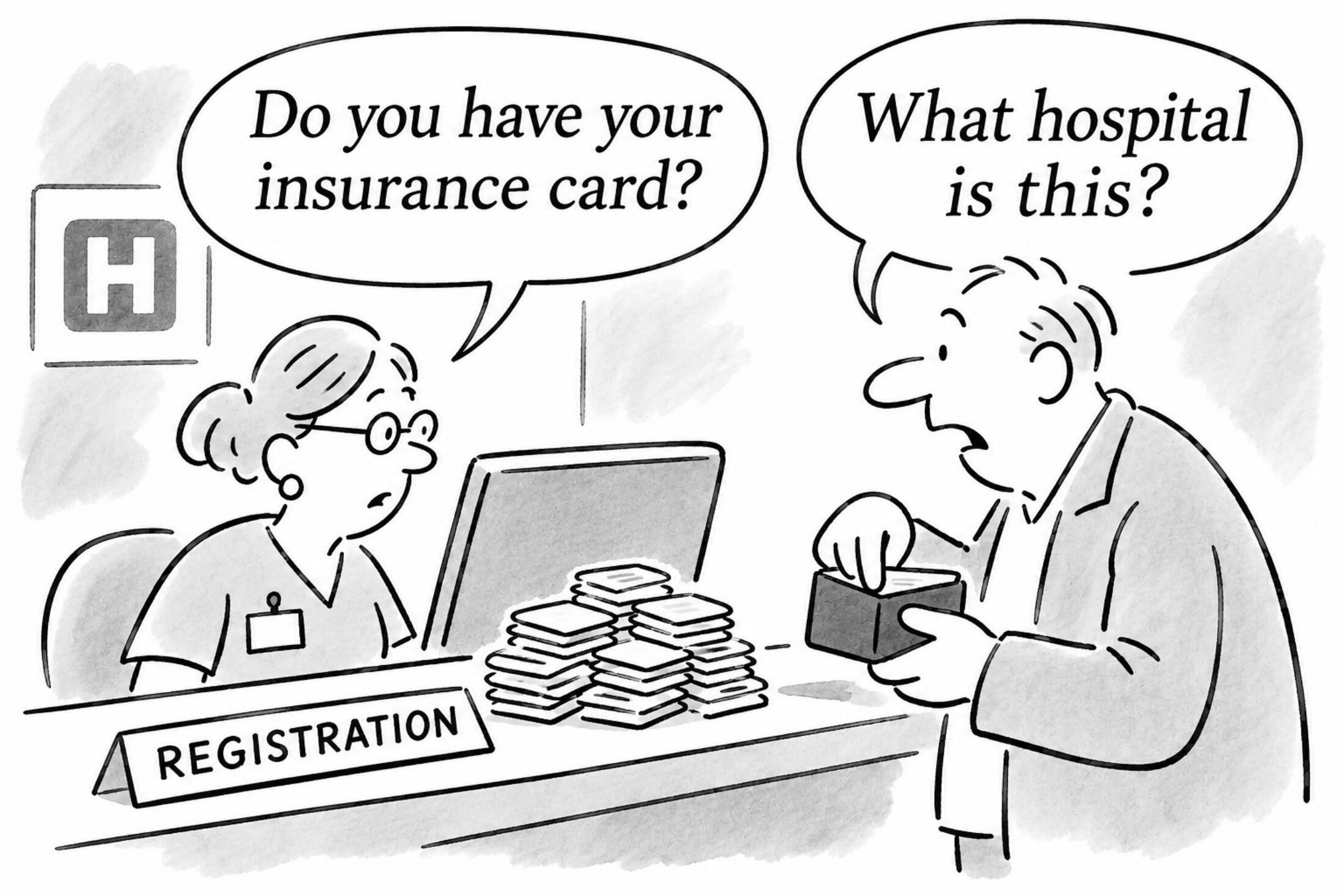
- Lower prescription drug prices and out-of-pocket medication costs. The current administration is already doing this.
- Reduce insurance premiums, deductibles, and unexpected medical bills. Many states, like Colorado, have approved “No Surprises” legislation. Premiums and deductibles are the sticking points.
- Protect rural hospitals and expand community health centers. The “Big Beautiful Bill” provided for some assistance.
- Improve access to primary care, mental health services, and addiction treatment.
- Make health insurance more portable so people don’t risk losing coverage when they change jobs. Employers may still provide one plan for their workers, but the aggregate premium may be lower if employees assume part of the premium payment. Under Medicare, recipients pay around $200 per month.
- Simplify the paperwork and administrative costs that burden patients, providers, and employers. I’ve seen my health insurance provider do this to better manage care and gather patient feedback to improve service delivery.
- Thanks to Obamacare, people with preexisting conditions are still covered under most plans, as are dependents under 26. Medicare offers Medigap insurance to cover gaps. Medicare for All would likely include supplemental coverage policies.
I believe in an incremental approach. We don’t have to settle every argument about Medicare for All, single-payer insurance, or the role of private companies before we begin improving the system. We can build on existing programs, identify what works, address what doesn’t, and expand access as we go.
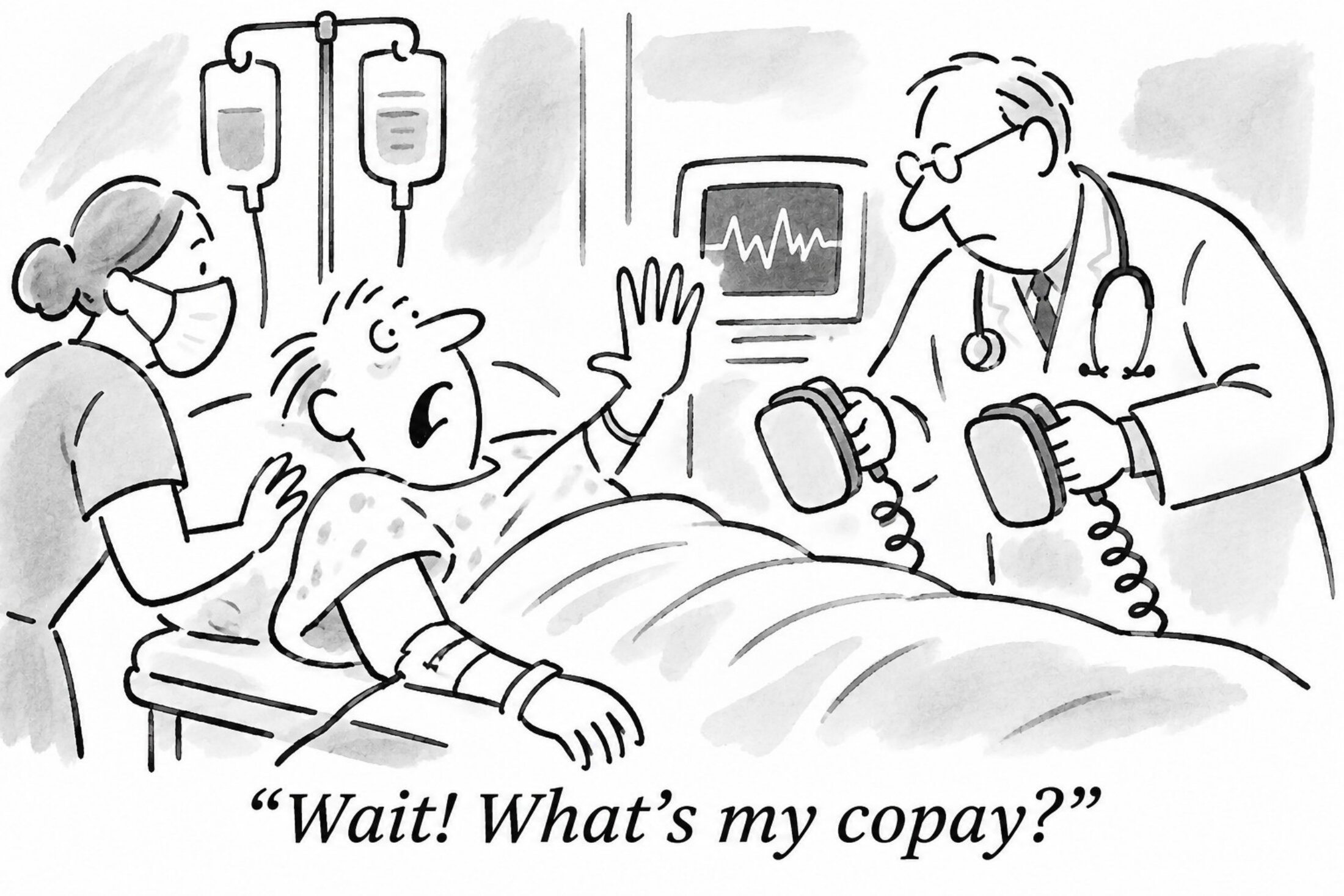
Unless you study Medicare and Medicaid—or rely on one yourself—you may not realize Medicare already offers a model that combines public financing with private insurance.
The Clinton administration and Congress established Medicare Part C through the bipartisan Balanced Budget Act of 1997. Originally called Medicare+Choice, it allowed beneficiaries to receive their Medicare benefits through private insurance plans rather than traditional fee-for-service Medicare. The program began in 1999 and was renamed Medicare Advantage in 2003.
Under Part C, Medicare pays approved private insurance companies a fixed monthly amount for each enrollee. The insurers assume financial risk for providing covered care. Most plans offer additional benefits, such as dental and vision coverage, along with copayments and annual out-of-pocket limits.
This isn’t socialized medicine. The government finances and regulates coverage, but private insurance companies administer the plans, while hospitals, physicians, and other health care providers deliver care.
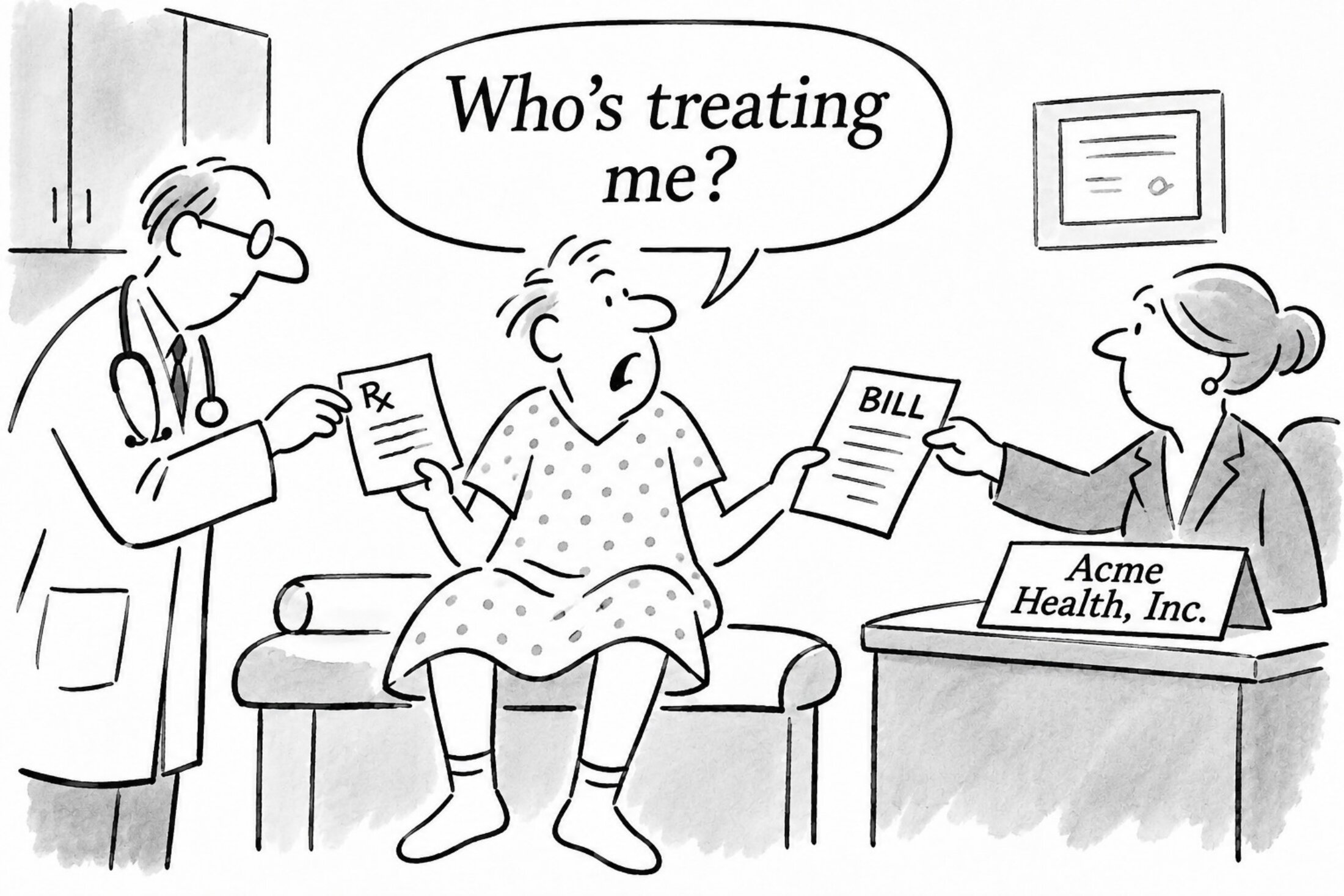
Why not consider using this existing public-private model as a starting point for expanding affordable health coverage? Advantage plans also offer “dual coverage” for those on Medicaid and Medicare. Advantage plans offer Medicare for All. A universal system could borrow features of Medicare Advantage, extending access to regulated private plans and comprehensive benefits beyond today’s Medicare population.
We don’t have to settle the entire Medicare for All debate before making meaningful progress. We can start with what already works, address what doesn’t, and build toward affordable, accessible health care for everyone.
People with employer-sponsored insurance shouldn’t feel that universal health care means their doctors, hospitals, or insurance choices will automatically disappear. Medicare beneficiaries shouldn’t have to defend a system that works well enough for them. Veterans shouldn’t worry about losing specialized care. Small-business owners shouldn’t have to choose between providing health benefits and keeping their businesses afloat. People without insurance shouldn’t have to wait until a medical emergency to receive care.
Finding common threads starts by recognizing that Americans don’t have to agree on the ultimate design of the health care system to agree that getting sick shouldn’t threaten their financial security.

