
My $33 tomato venture has officially ended with the harvest of a third tomato, and the economics improved considerably, dropping the per-fruit cost to $11.
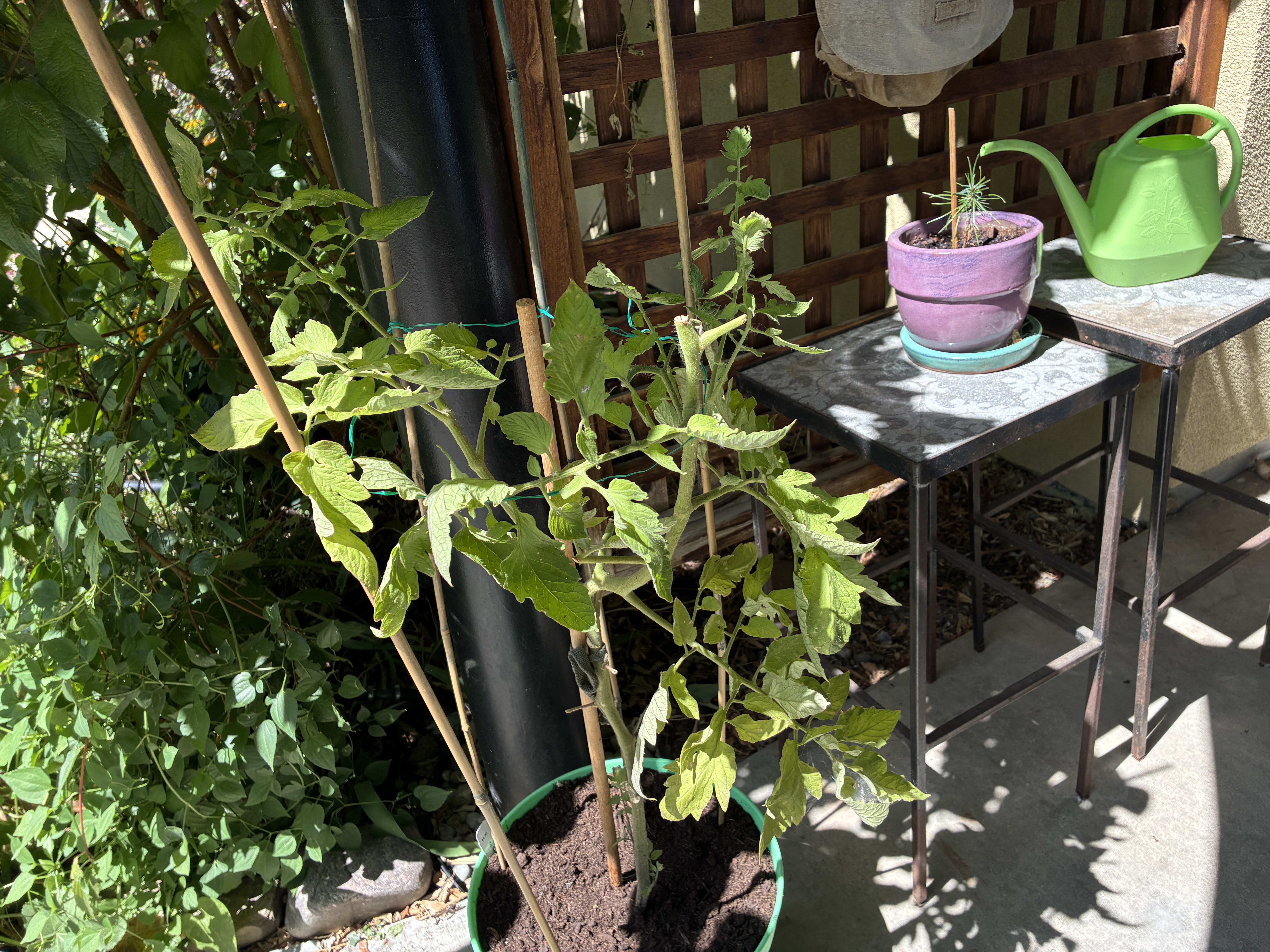
I’m not calling it a successful business venture, but I learned to trust the division of labor and buy fresh produce from the food store.
I’ve heard that backyard gardening is a labor of love. I had optimistic thoughts of turning my brown thumb into a green one at the beginning of the summer.
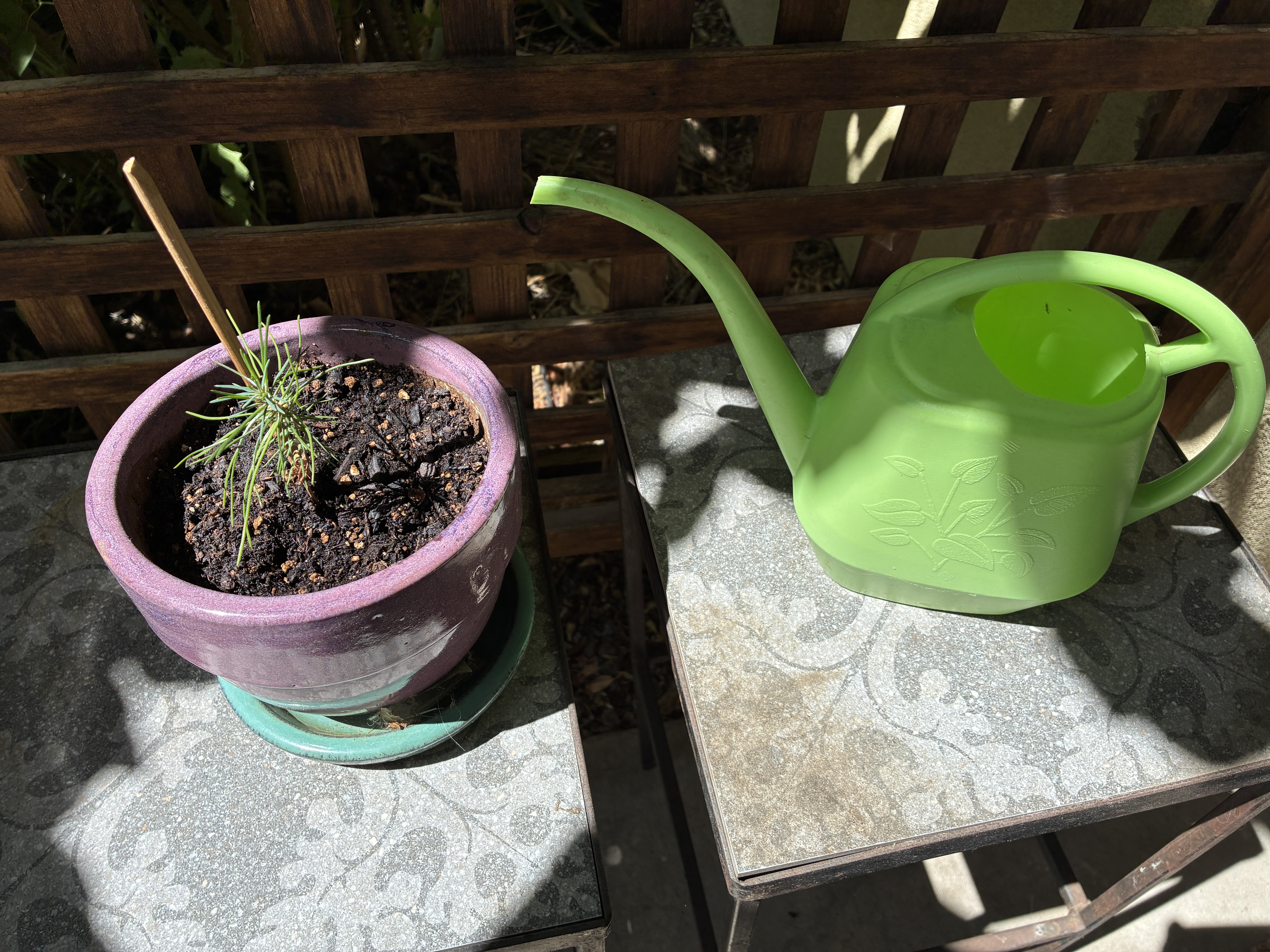
Maybe I’m more of an arborist. The avocado tree has been doing much better. I’ve been nurturing a pine tree seedling that has survived for 18 months. It’s supposed to become a bonsai-worthy tree, assuming I can keep it alive long enough to find out. I’ll bring the pine tree inside soon.
Across the sidewalk, I’ve been tending a patch of milkweed. Monarch butterflies migrate through Boulder in the summer, and milkweed gives them a place to lay their eggs.
They’ve grown tall, and I’ve tied them up with strong twine to keep them from flopping over and avoiding the purge by over-eager gardeners who think it’s time for them to go.
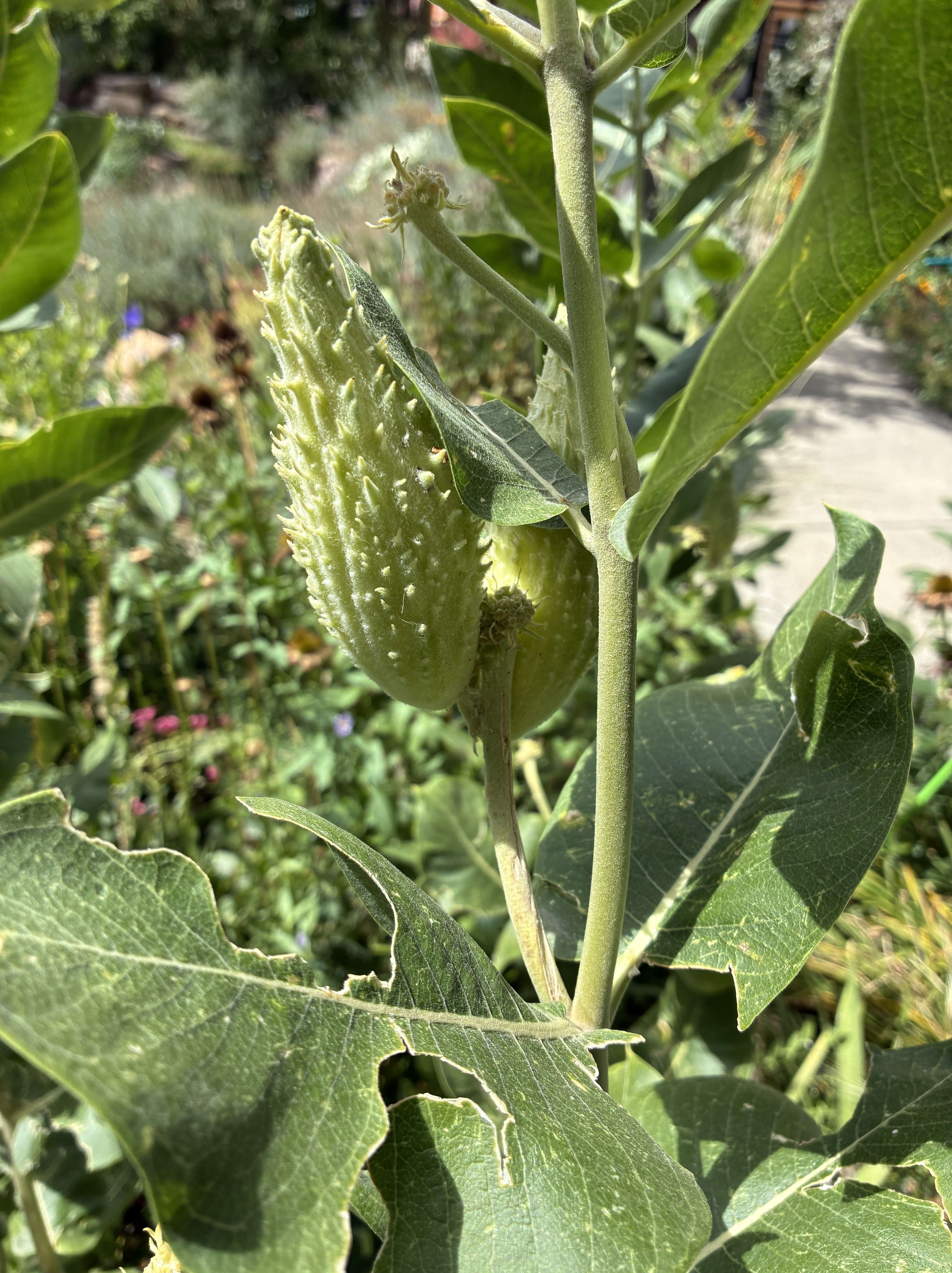
Now the seed pods are finally forming. This is where my gardening project takes a turn toward science fiction.
The pods resemble miniature versions of the seed pods in Invasion of the Body Snatchers. In the 1956 movie, the pods are the machinery of an alien invasion.
The body-snatching Pod People grow duplicates of sleeping humans, absorbing the person’s physical form, memories, and characteristics. When the metamorphosis finishes, the original human disappears, leaving behind an emotionless replacement.
My milkweed pods, I assume, have no such ambitions.
I think of them as little botanical spacecraft carrying the next generation of milkweed seeds. The Monarchs are doing their own version of biological time travel, arriving each summer to lay eggs on the plants that will feed their caterpillars, which metamorphose into the next generation of butterflies.
I wonder who is tending whom.
I learned that this summer in my little garden, I’m not much of a farmer. Three tomatoes isn’t much of a harvest. Gardening is about the few fruits of my effort and the satisfaction of having kept an organism alive through its lifecycle.
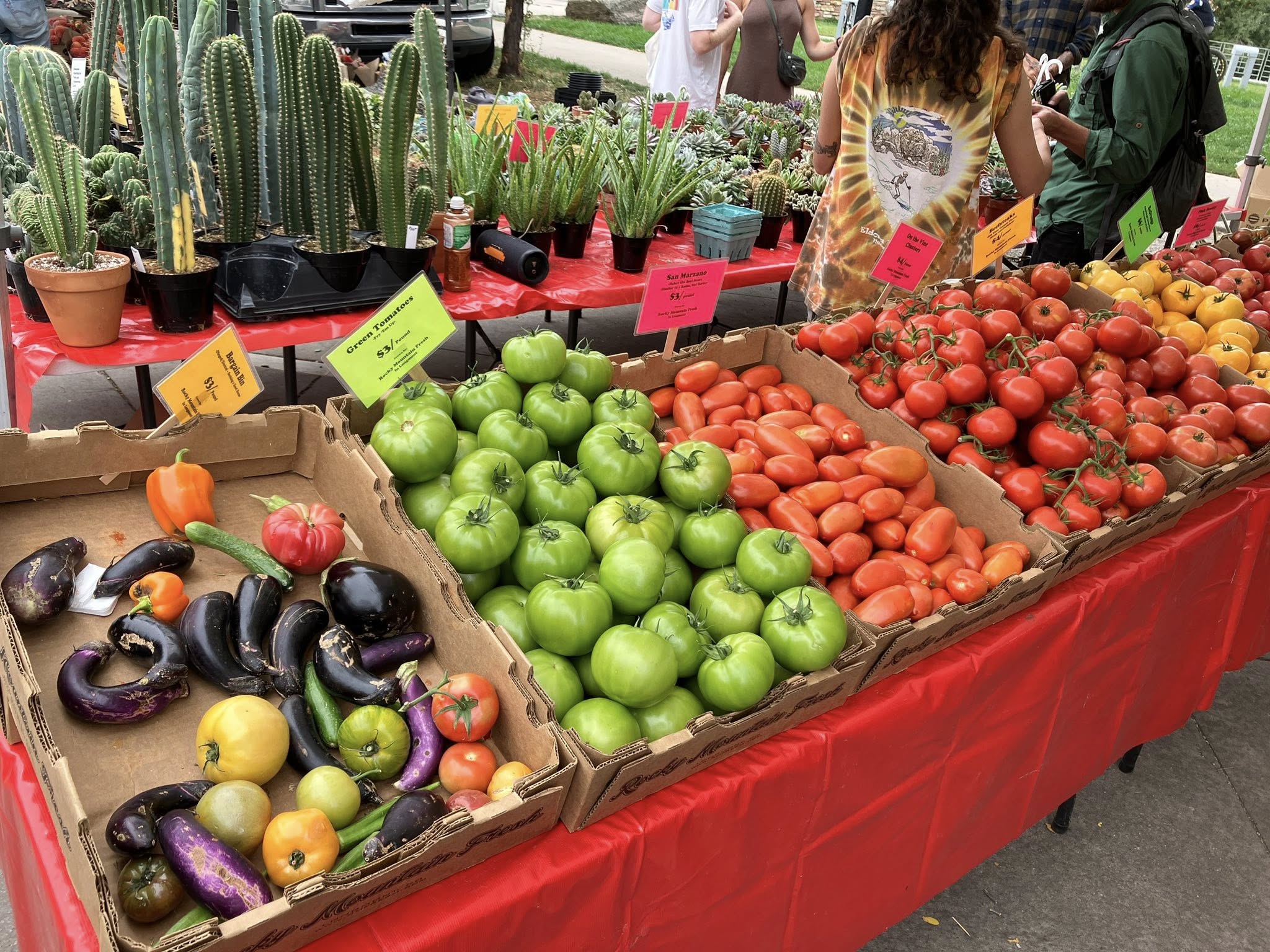
The pine tree is still growing. The avocado tree will have avocados in 20 years, and the milkweed is preparing its pods. The Monarchs have a nursery. I cut back the tomato plant, unaware that our business model had failed.
In the meantime, the farmers’ market runs through October.

