Every October, Americans head to the pumpkin patch, pick out a nice round pumpkin, carve a toothy grin into it, and stick a candle inside. It’s a national Halloween ritual. This year, my pumpkin came from the Costco pumpkin patch.
Here’s a little Halloween trivia that might make you look twice at the produce aisle: The original Jack-o’-lanterns were turnips.
That’s right. Before pumpkins became Halloween celebrities, turnips did the heavy lifting.
The tradition goes back to Ireland and Scotland, where people carved frightening faces into turnips, potatoes, and other root vegetables. They hollowed them out, placed a candle or burning ember inside, and set them near doorways or windows.
The lanterns provided light, but their frightening faces also protected against wandering spirits. According to Celtic tradition, the night of October 31 marked Samhain, a time when the boundary between the living and the dead supposedly grew thin.
Who was Jack?
According to Irish folklore, Jack was a rather unpleasant fellow who tricked the Devil not once, but twice.
In one version of the story, Jack persuaded the Devil to turn himself into a coin so Jack could pay for a drink. Instead of spending the coin, Jack slipped it into his pocket beside a silver cross, trapping the Devil.
Jack eventually released him after extracting a promise that the Devil wouldn’t claim his soul.
Unfortunately, Jack’s cleverness didn’t earn him any points after death. Heaven wouldn’t take him. So Jack found himself wandering in darkness, carrying a lump of burning coal the Devil had tossed him.
Jack placed the coal inside a hollowed-out turnip to light his way.
The legend of Jack of the Lantern was born. Over time, the name became Jack-o’-lantern.
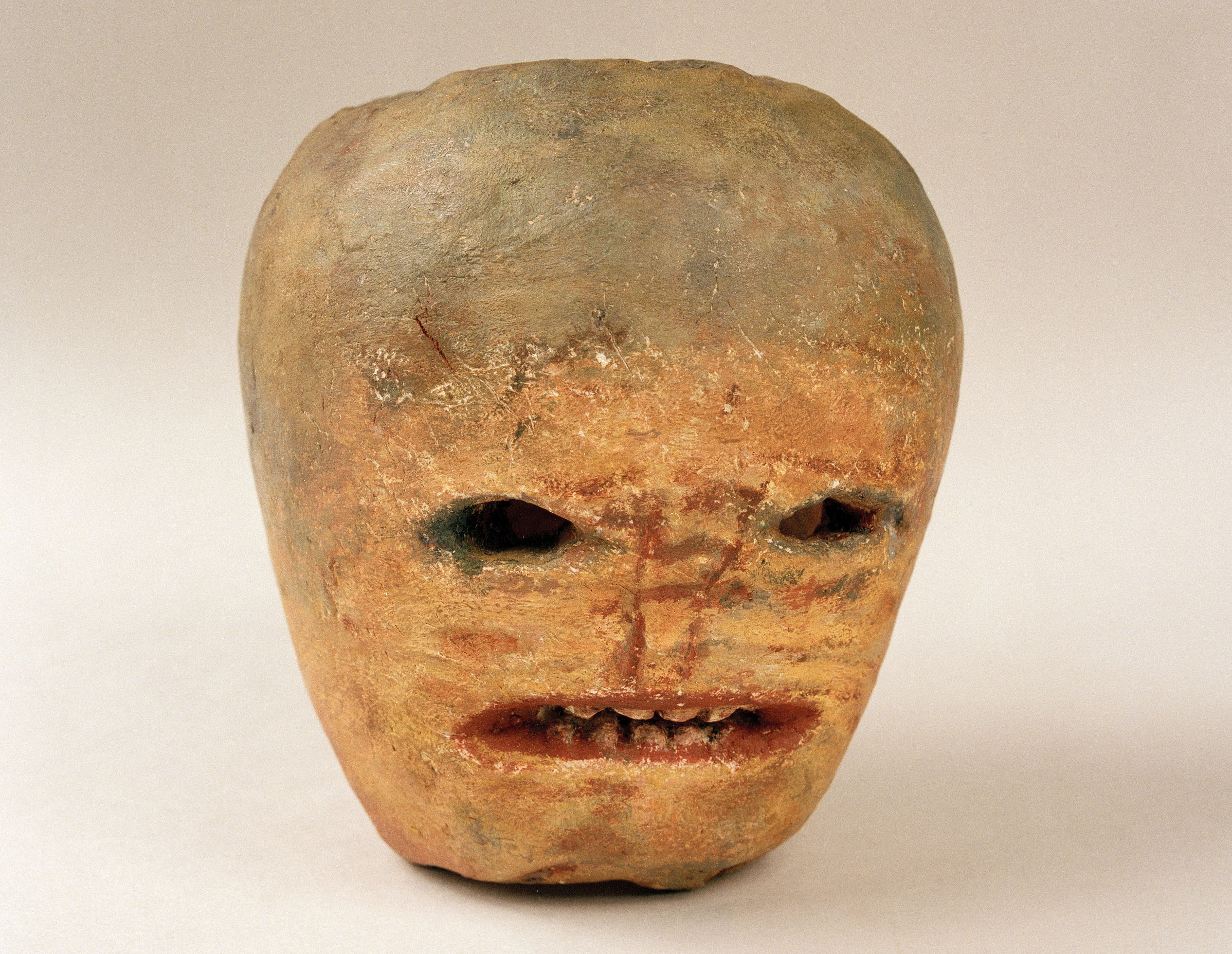
The National Museum of Ireland displays a plaster cast of a carved turnip lantern donated in 1943. The original came from County Donegal and represented a local Halloween tradition around 1900.
Enter the pumpkin.
When Irish immigrants arrived in America during the 19th century, they brought their Halloween traditions with them. They soon discovered an abundance of pumpkins.
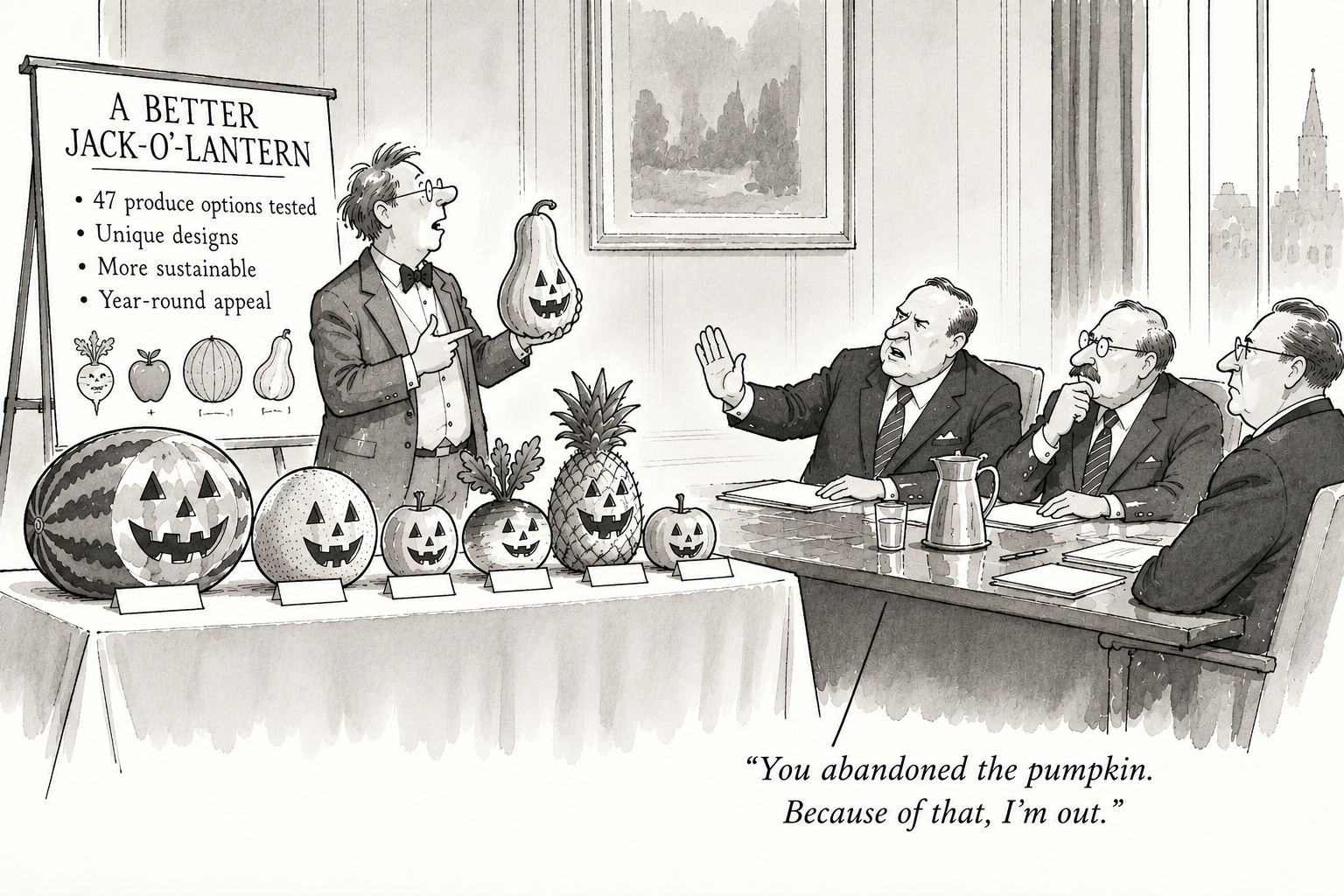
Pumpkins were plentiful, much larger and easier to carve than turnips. Imagine trying to scoop out a turnip with a kitchen spoon.
The pumpkin replaced the turnip as America’s Halloween decoration of choice.
Today, we spend millions of dollars on pumpkins, carving kits, decorations, and pumpkin-flavored everything. The humble turnip lost its place in Halloween history.
The next time you carve a pumpkin, remember its less glamorous predecessor.
The Jack-o’-lantern didn’t begin as a cheerful orange pumpkin sitting on a suburban porch. It began as a sinister-looking root vegetable intended to frighten away the spirits of the dead.
The turnip deserves a little recognition.
I’ll stick with my pumpkin.

