
Watergate brought Democrats a sweeping victory in 1974. The 2026 midterms delivered another Blue Wave. The question now is what Democrats will do with their new majority.
Watergate brought Democrats a sweeping victory in 1974. The 2026 midterms delivered another Blue Wave. The question now is what Democrats will do with their new majority.
A historical parallel is emerging from the 2026 midterm elections. I’ve been watching the political pundits compare this year’s Democratic victories to the Blue Wave of 1974.
The comparison makes sense.
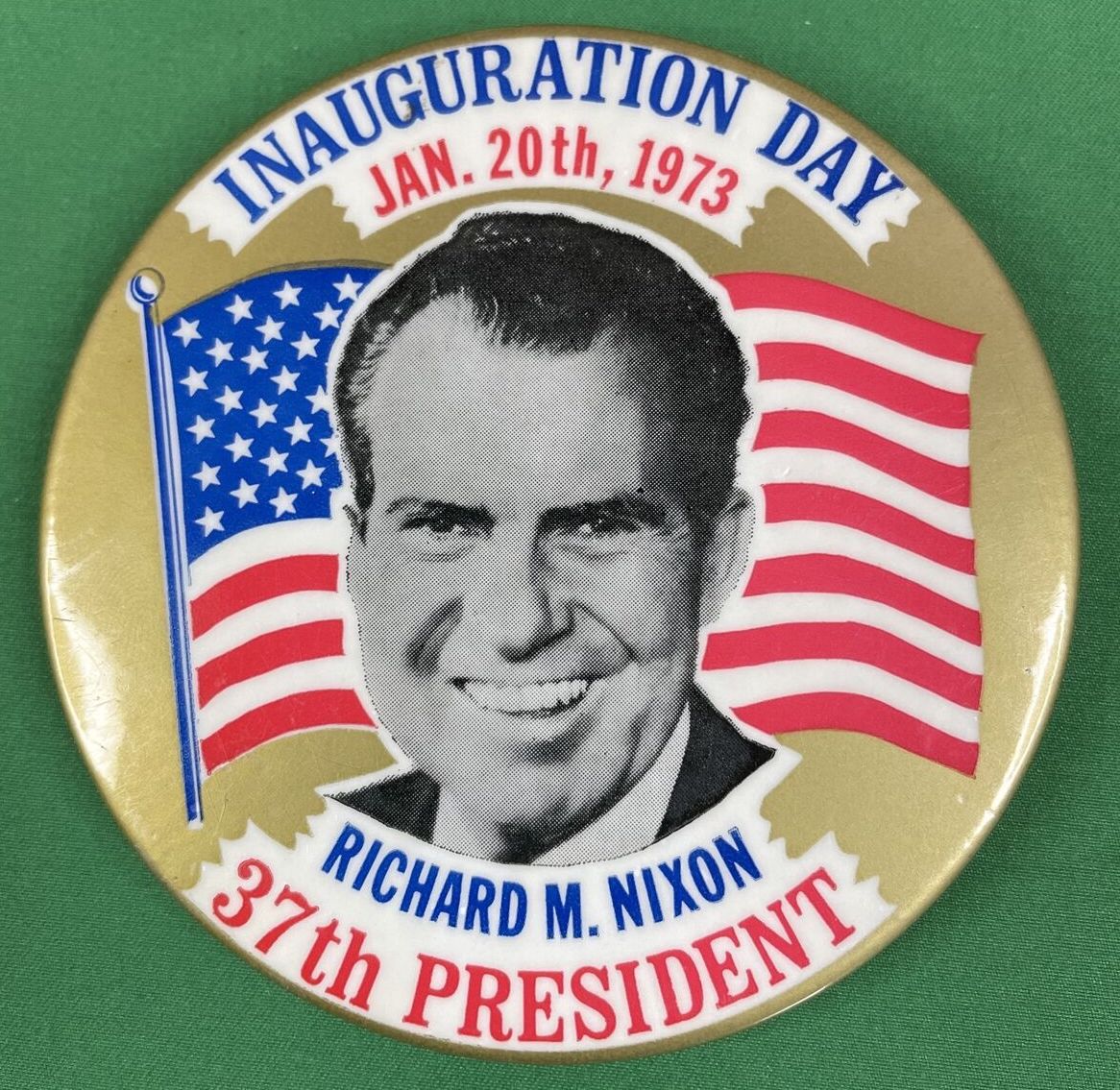
In 1974, Democrats gained a net 43 seats in the House and expanded their Senate majority. The election followed the Watergate scandal, Richard Nixon’s resignation, and Gerald Ford’s controversial pardon of his predecessor. The newcomers became known as the “Watergate Babies.”
In 2026, Democrats did something even more consequential: they captured both the House and Senate, flipping at least seven Senate seats and more than two dozen House districts. The victories represented a sweeping rejection of the Trump administration.
The two elections share more than impressive Democratic gains. Both followed periods of public disillusionment with the party controlling the White House.
In 1974, voters were angry about Watergate, the unpopular Vietnam War, rising inflation, and the energy crisis. In 2026, concerns about government corruption, the war with Iran, and the cost of living again helped drive voters away from the party in power.
The circumstances aren’t identical. Nixon had resigned before the 1974 election. Trump remains president. In both midterm election cycles, voters expressed a broader concern.
I’ll point out three similarities from 1974 that the incoming 120th Congress will face beginning January 3, 2027.
Government accountability: The unfinished Watergate lesson
Watergate exposed a system in which campaign money, political influence, and presidential power became intertwined.
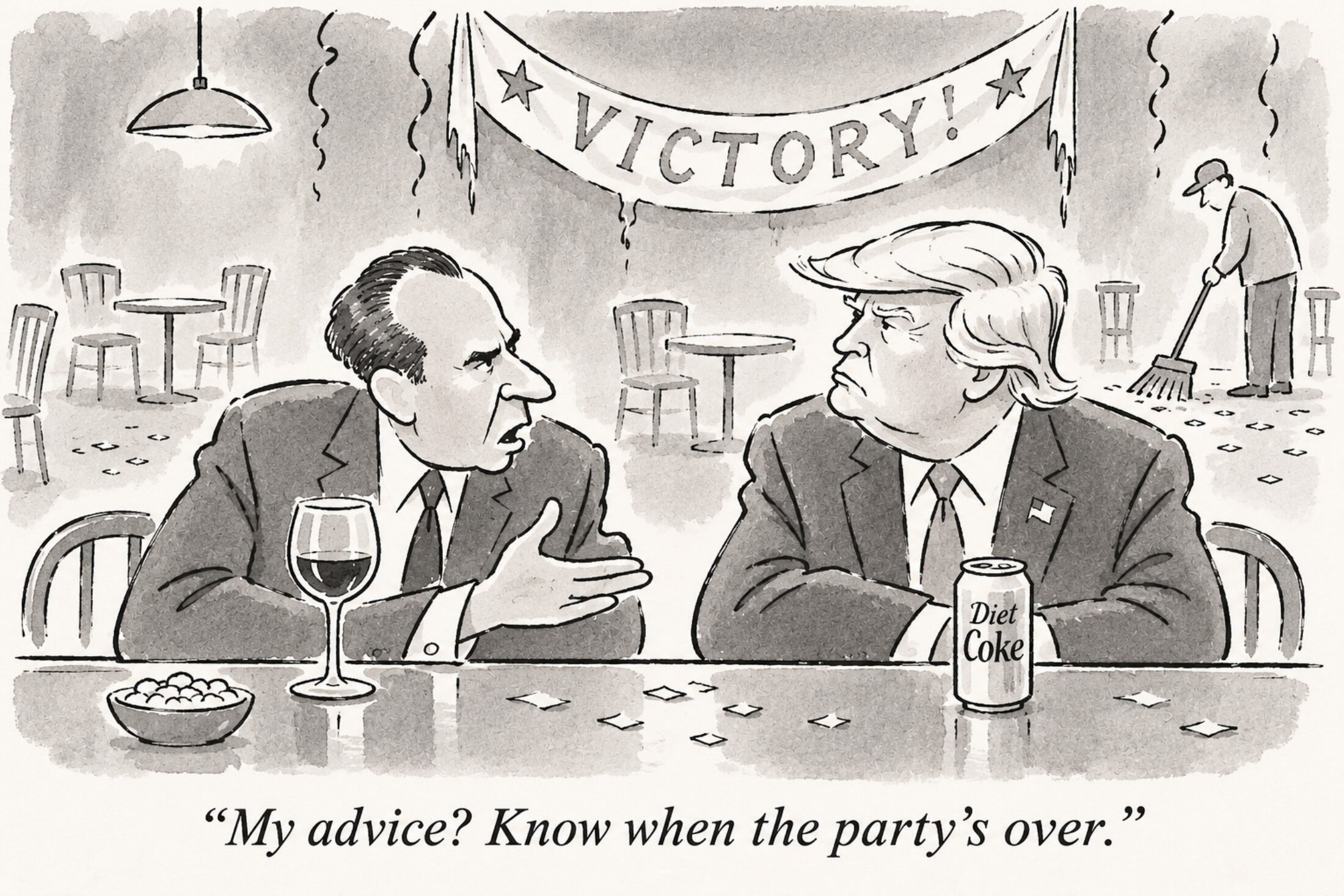
Nixon’s Committee to Re-Elect the President, known as CREEP, collected enormous sums, including illegal contributions. Campaign operatives participated in the Democratic Headquarters break-in at the Watergate Hotel. The Nixon administration attempted to conceal its involvement. Nixon ultimately resigned rather than face impeachment proceedings.
Nixon’s resignation was only part of the story.
The chain of events began ten months earlier.
In October 1973, Vice President Spiro Agnew resigned amid a federal investigation into allegations that he had accepted kickbacks while serving as Baltimore County executive, governor of Maryland, and vice president. As part of a plea agreement, he pleaded no contest to a federal charge of failing to report income on his tax returns.
Two days after Agnew resigned, Nixon nominated House Minority Leader Gerald Ford to replace him. Congress confirmed Ford, and he became vice president on December 6, 1973.
By the summer of 1974, the Watergate scandal had brought Nixon to the brink of impeachment. The House Judiciary Committee approved three articles of impeachment in late July. Nixon ultimately resigned on August 9, before the full House could vote on them.
A month later, Ford pardoned Nixon for any federal crimes he might have committed while president. The pardon sparked widespread criticism. Many Americans suspected a backroom deal and felt Washington’s political establishment had protected one of its own. The pardon sparked widespread criticism. Many Americans suspected a backroom deal and felt Washington’s political establishment had protected one of its own.
The Watergate midterm election brought a new generation of lawmakers to Washington determined to change the rules. Congress strengthened campaign finance laws, established the Federal Election Commission, and investigated abuses by government agencies. Subsequent legislation strengthened government transparency and ethics requirements.
The 2026 election raises familiar questions about conflicts of interest, personal enrichment, and whether public office is being used to benefit political insiders.
An Associated Press post-election poll found that voters viewed Trump as more focused on his personal fortune than their needs. Roughly seven in ten also believed Congress wasn’t doing enough to provide checks and balances on the president.
The incoming Congress has an opportunity to restore public confidence through meaningful oversight, financial disclosure, stronger conflict-of-interest protections, and independent government watchdogs.
Investigating past wrongdoing is important. Establishing rules that prevent it from happening again is even more important.
Healthcare reform: A missed opportunity from 1974
Here’s an interesting piece of history that deserves another look.
In 1974, President Richard Nixon and Senator Ted Kennedy were both pursuing national health insurance reform. They had very different ideas about how to accomplish it, but both recognized that the existing system left too many Americans without adequate coverage.
Nixon proposed a comprehensive insurance plan built largely around employer-provided private insurance, with government assistance for people who couldn’t obtain coverage through work.
Kennedy, working with Representative Wilbur Mills, advocated a more expansive national health insurance system financed through payroll taxes and general revenues.
Their representatives explored a possible compromise, but the two sides never reached an agreement. Watergate eventually consumed the Nixon administration, and the opportunity disappeared.
More than 50 years later, Americans are still struggling with healthcare costs, insurance premiums, prescription drug prices, and medical debt.
The 2027 Congress doesn’t have to begin by debating Medicare for All versus private insurance. It can start with areas where there is room for agreement: prescription drug costs, hospital pricing, insurance company practices, and out-of-pocket expenses.
The lesson from 1974 is that healthcare reform shouldn’t become another casualty of partisan politics. Nixon and Kennedy came closer to an agreement than many people remember. Perhaps today’s Congress can find common ground.
Environmental protection: From the EPA to the data center boom
Another surprising historical connection is environmental protection.
Richard Nixon, hardly remembered today as an environmental champion, proposed creating the Environmental Protection Agency in 1970. Congress approved his plan to consolidate federal environmental responsibilities under one agency.
The EPA began operating in December 1970. The same period produced major environmental legislation, including the Clean Air Act amendments and the Clean Water Act.
Across party lines, there was broad recognition that protecting public health and natural resources required a national response.
The environmental challenges facing the 2027 Congress look different, but the need for government oversight hasn’t disappeared.
Consider the rapid expansion of data centers to support artificial intelligence and cloud computing.
These facilities require enormous amounts of electricity and, in many cases, water for cooling. Their construction can place substantial demands on local utilities and water supplies. Communities ask who pays for the infrastructure, whether electricity rates will rise, and what happens to local water resources.
State and local governments still make most decisions about land use, water allocation, and utility rates. Congress can’t dictate where every data center gets built.
Washington has an important role.
The incoming Congress could establish consistent requirements for disclosing electricity and water consumption, strengthen environmental reporting, encourage water recycling and efficient cooling, and use federal incentives to ensure developers account for the infrastructure costs their projects create.
The objective shouldnshouldn’tstop technological progress. It should ensure the benefits of artificial intelligence don’t come at the expense of the communities hosting the facilities or the households paying the utility bills.
In 1970, the federal government responded to the environmental challenges of its time by creating the EPA. In 2027, Congress needs to consider how existing environmental protections should apply to the challenges of a new technological era.
A Blue Wave: Accomplishment with a range of opportunities
The Watergate Babies entered Congress with a mandate to restore confidence in government. They helped change the rules governing campaign finance, transparency, and public accountability.
The 2026 Blue Wave offers Democrats a similar opportunity.
The 120th Congress could spend the next two years opposing Trump and investigating his administration. It also needs to demonstrate that a Democratic majority can accomplish more than resisting a Republican president.
Government accountability, affordable healthcare, and environmental protection are responsibilities of a government that serves the public.
The 1974 election showed what happens when voters lose confidence in the people running Washington. The 2026 election suggests that the same warning has surfaced again.
The incoming Congress’s real accomplishment will be giving voters a reason to believe in government again.


