MapQuest vs. Google Maps: A Personal Journey Through Navigation

I remember when navigation meant opening a paper map and hoping I could refold the creases in the right order so the rectangular map would fit back in the glove box.

I used to keep road maps in the car. Rand McNally kept me company. AAA travel agents walked me through the maps and helped plan my route.
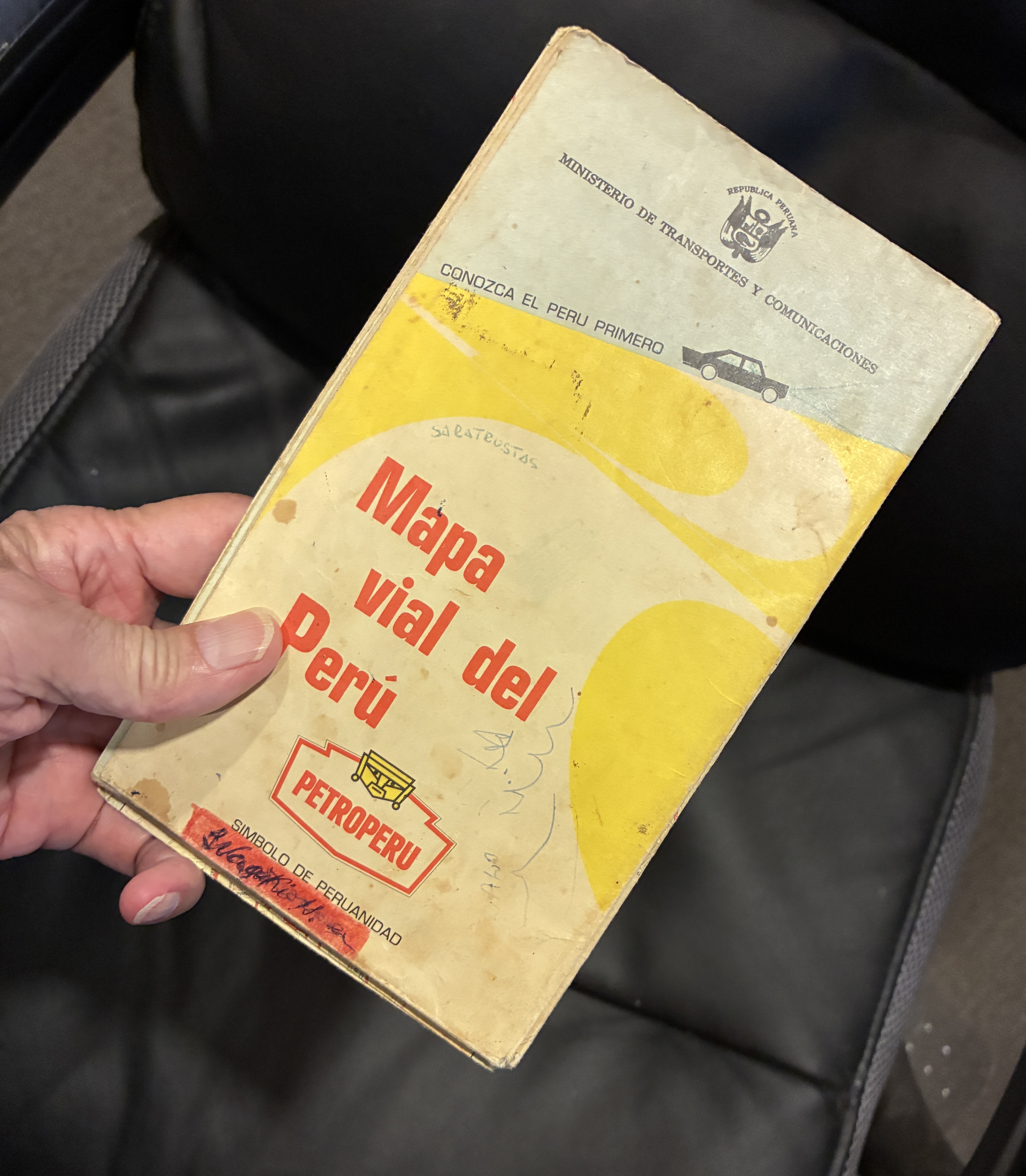
On family vacations, my dad stopped along the way, unfolded the map across the hood, and tried to figure out where we were.

In the 1960s, cities expanded, roads changed, and maps quickly fell out of date. Countries change names. Borders move. Entire countries disappear.

Columbus dealt with a similar problem, although his maps had considerably more blank space than mine. On his first voyage in 1492, he charted islands and coastlines in the Caribbean, adding information to the European maps. Early explorers thought they had reached Asia.

Maps have always been snapshots of what somebody thought the world looked like at a particular moment.

Africa provides plenty of examples. The Gold Coast became Ghana. Northern Rhodesia became Zambia. Southern Rhodesia became Zimbabwe. The Belgian Congo became Zaire, then the Democratic Republic of the Congo. Those changes reflected independence, revolution, political change, and the rejection of colonial names.

Then the Soviet Union became the mother of all map revisions. If you owned a map of the USSR in 1990, you had a collectible.
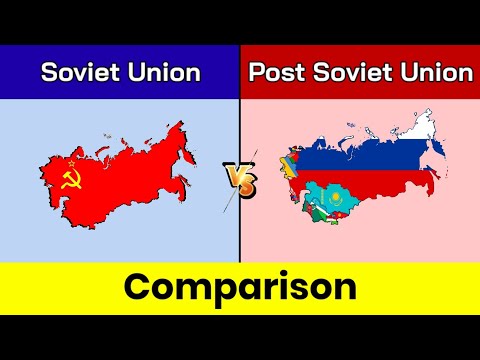
In 1991, the Soviet Union disappeared, and 15 independent countries emerged from its former republics. Russia, Ukraine, Belarus, the Baltic states, the Central Asian republics, and others became countries rather than chunks of a giant red blob.

Imagine being the guy at the map company who got that phone call.

“Hey, Bob. You know that giant country we’ve been printing for 40 years?”

“Yeah.”

“Well, it isn’t there anymore.”

“Great. I’ll call the printer and see if we can cancel that last order.”

The world’s constant change is one reason digital maps make so much sense. Digital maps can be updated overnight.

Then MapQuest came along.
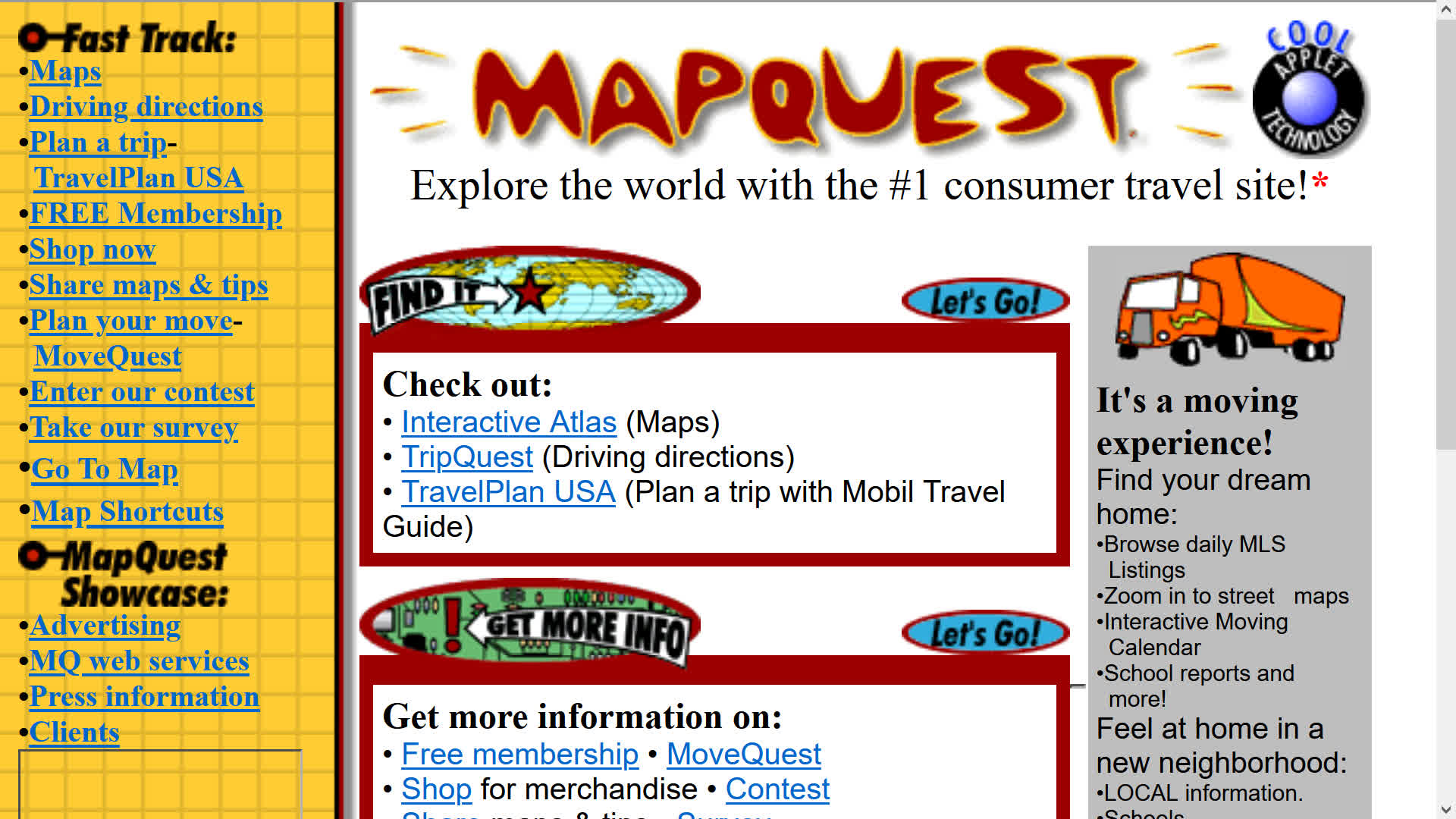
MapQuest moved the old business of producing maps and driving directions online. In 1996, it launched its web mapping service and became a pioneer of online interactive maps and driving directions. I could access MapQuest on my Palm Treo. I had to write down the driving directions, though.

In the early 2000s, MapQuest gave up its top spot to predatory Google Maps and Apple Maps. Between the two of them, they turned everybody’s phone into a dashboard navigator.

I used them both until today, when I went back to MapQuest.

There’s a reason.

In January 2025, the federal government renamed the Gulf of Mexico as the Gulf of America. The Interior Department updated the federal Geographic Names Information System and directed federal agencies to use the new name. The United States couldn’t make the rest of the world change its maps.

Then in 2026, the government changed Lake Ontario’s name to Lake America.

Google Maps and Apple Maps changed their digital maps. U.S. users see Gulf of America, while users in Mexico and Canada see Gulf of Mexico and Lake Ontario, respectively.

That’s when I decided I’d had enough and switched over to MapQuest. I’m a simple fellow and don’t like change.

It turns out MapQuest didn’t go along with the Lake America or Gulf of America renames. The OG digital map appealed to me again.

I like the idea that my navigation app won’t make me relearn geography.

At least for now.

This creates a new problem if MapQuest changes its mind.
My solution?

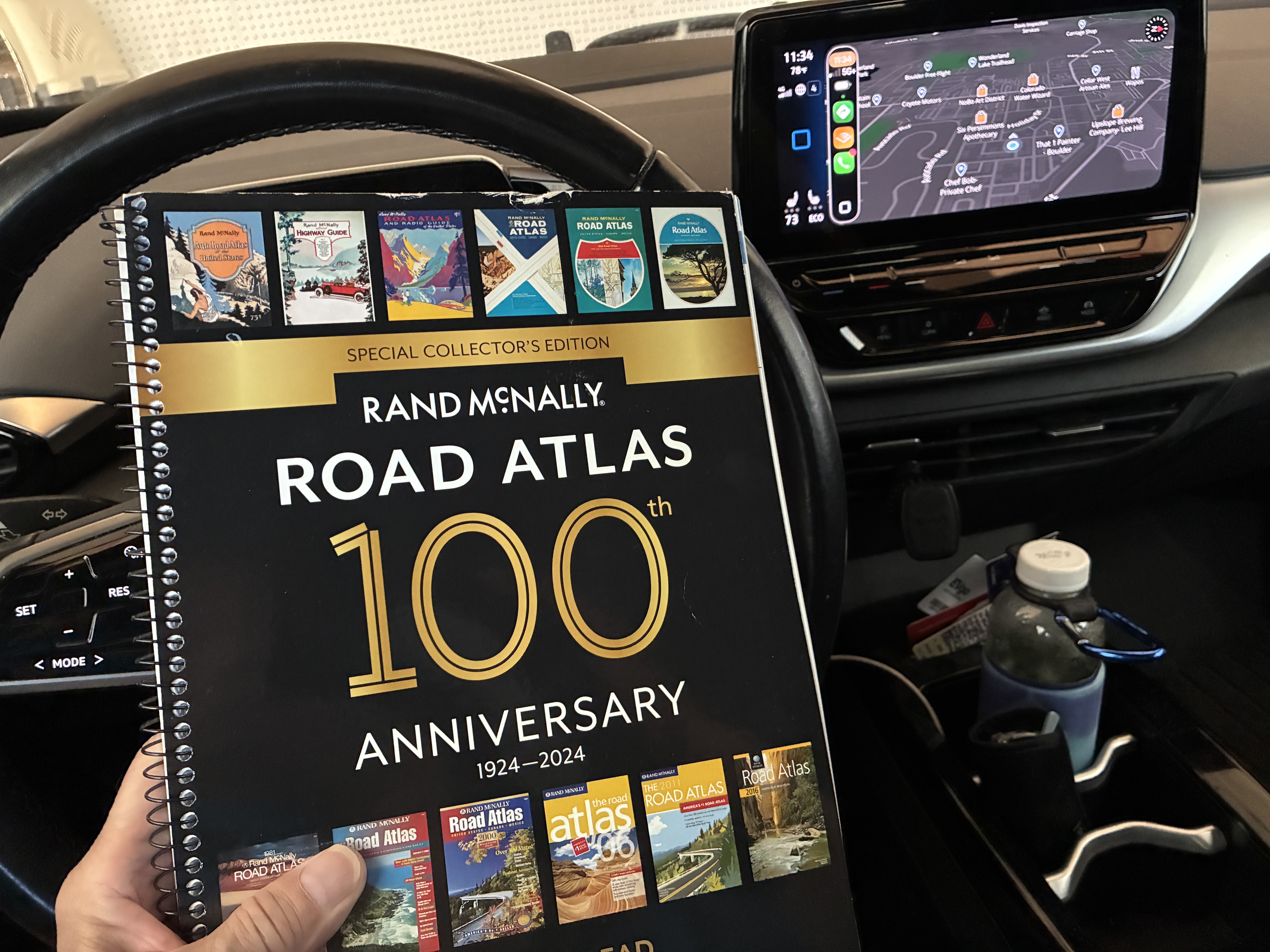
I keep an out-of-date hard-copy Rand McNally road atlas in the pocket behind the driver’s seat, where nobody can update it while I’m driving.

While driving through the middle of nowhere, I had no cell service in eastern Colorado. The apps didn’t work. I pulled into a truck stop.

No maps.

Walmart had one.

If everything else fails, I’ll pull over, get out the atlas, stare at it for five minutes, and pretend I know where I am.

I get curious when I research my stories.

Rand McNally began in Chicago when printer William H. Rand hired Irish immigrant Andrew McNally in 1858. The company began as a traditional printing company.

In 1924, Rand McNally published the “Auto Chum,” which evolved into the road atlas that became essential reading for generations of American motorists.
I was an illegal worker in Mexico

francisco lopez barajas

My business partner in Zacatecas Mexico Faustino Lopez Barajas.

I generally only write about things that I’ve experienced personally. I’m becoming more convinced with the recent flood of children crossing the into Texas, that the United States has the most porous border of any nation in the world.

Let me tell you about the time I was shaken down by soldiers with machine guns for being an illegal worker in Mexico. It was a very helpless feeling.

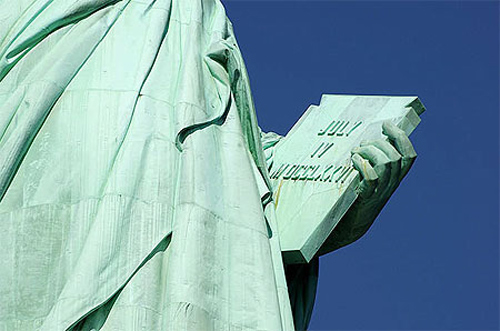
Maybe it’s that poem inscribed on the Statue of Liberty by Emma Lazarus:

tablette-statue-de-la-liberte

Turns out, if you’re from a European country, this quote is more applicable.

Give me your tired, your poor,
Your huddled masses, yearning to breath free,
The wretched refuse of your teeming shore,
Send these, the homeless, tempest tost to me,
I lift my lamp beside the golden door.

Most other countries have largely indigenous populations that have lived there for centuries. The US, on the other hand, conquered the locals fair and square, and that was just over 200 years ago. 

I did business in Mexico for six years or so starting in 1992 when the North American Free Trade Act went into effect. Then US Secretary of Commerce Ron Brown held a bunch of meetings around the country, including one in Denver. I was working for the Northern Arapaho Tribe at the time in economic development and went down to check it out. At that time, the tribe was looking to sell its hay.

hotel sombrerete

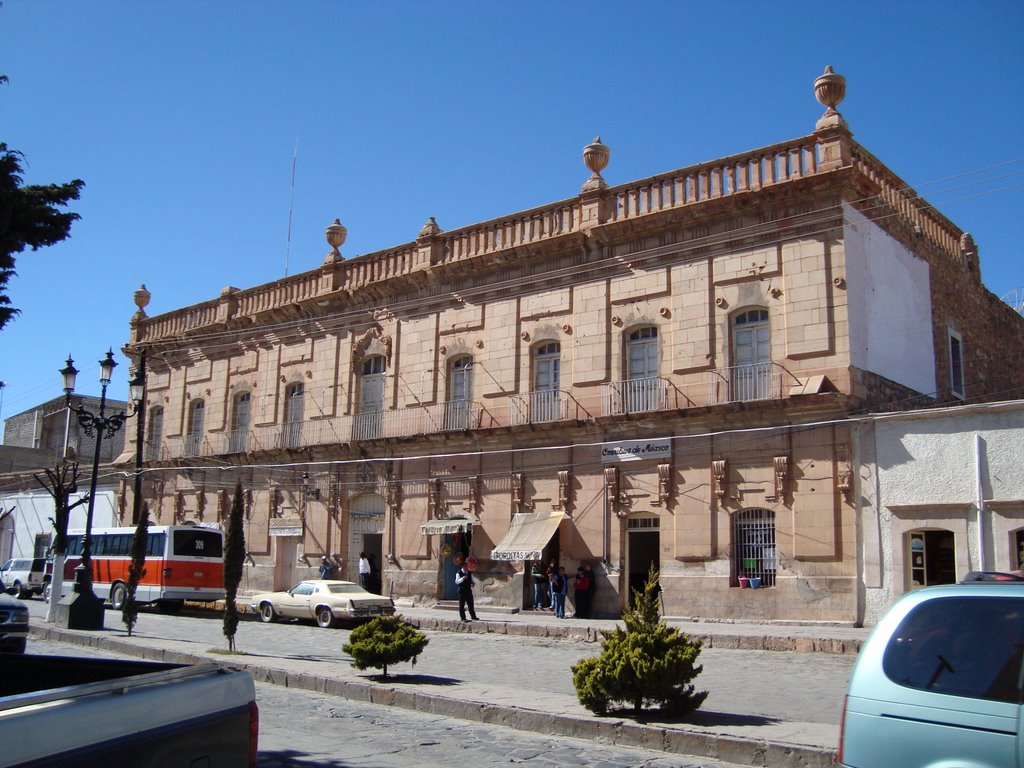
Downtown Sombrerete

After all the speeches, there was a round table session with representatives from businesses in Mexico. Most everyone split and left all these business people sitting alone. I stuck around and sat down with a group of guys from a credit union based in a small town called Sombrerete in the state of Zacatecas. It’s located in the north central part of Mexico. We hit it off and they invited me down for a visit.

A friend and colleague of mine flew down to check things out. A couple tribal guys – Fred and Gary – and I started up the 600 acre Arapaho Farms. The Arapaho Tribe was big into sustainable agriculture at the time and was interested in farming practices in Mexico – like using a tree branch hooked up to a mule as a harrow. As it turned out the farming thing in Mexico didn’t work out.

Meanwhile I began consulting for a marketing company based in Boulder which had a manufacturing facility in Alamosa, Colorado. They made and sold hair accessories. The manufacturing costs, even in Alamosa were too high.

francisco mexico city

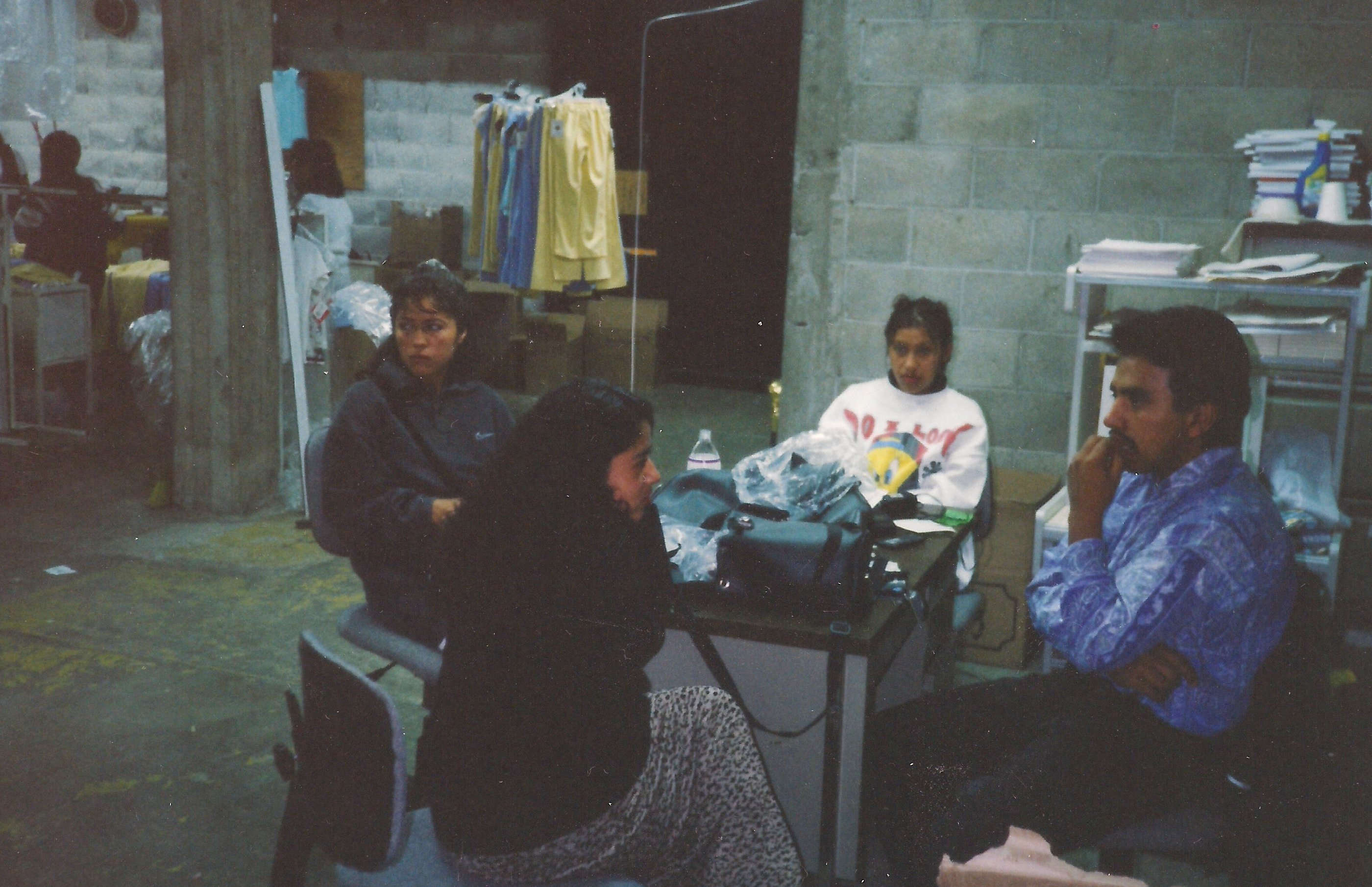
Francisco at the Mexico City factory.

I mentioned that I had experience in Mexico and when I was down there before, I learned that some of the small towns would be devoid of working age people – mostly men – who went to the US to work – many illegally. I figured out that workers would rather stay in their home towns rather than leave, but there is no work in the middle-of-nowhere Mexico. The immigration policies favored US businesses wanting to create jobs there.

My idea was to recruit home sewers and assemblers in Sombrerete to make the hair accessories, rather than establish on the US – Mexico border, which is the generally accepted maquilla model.

maquila worker

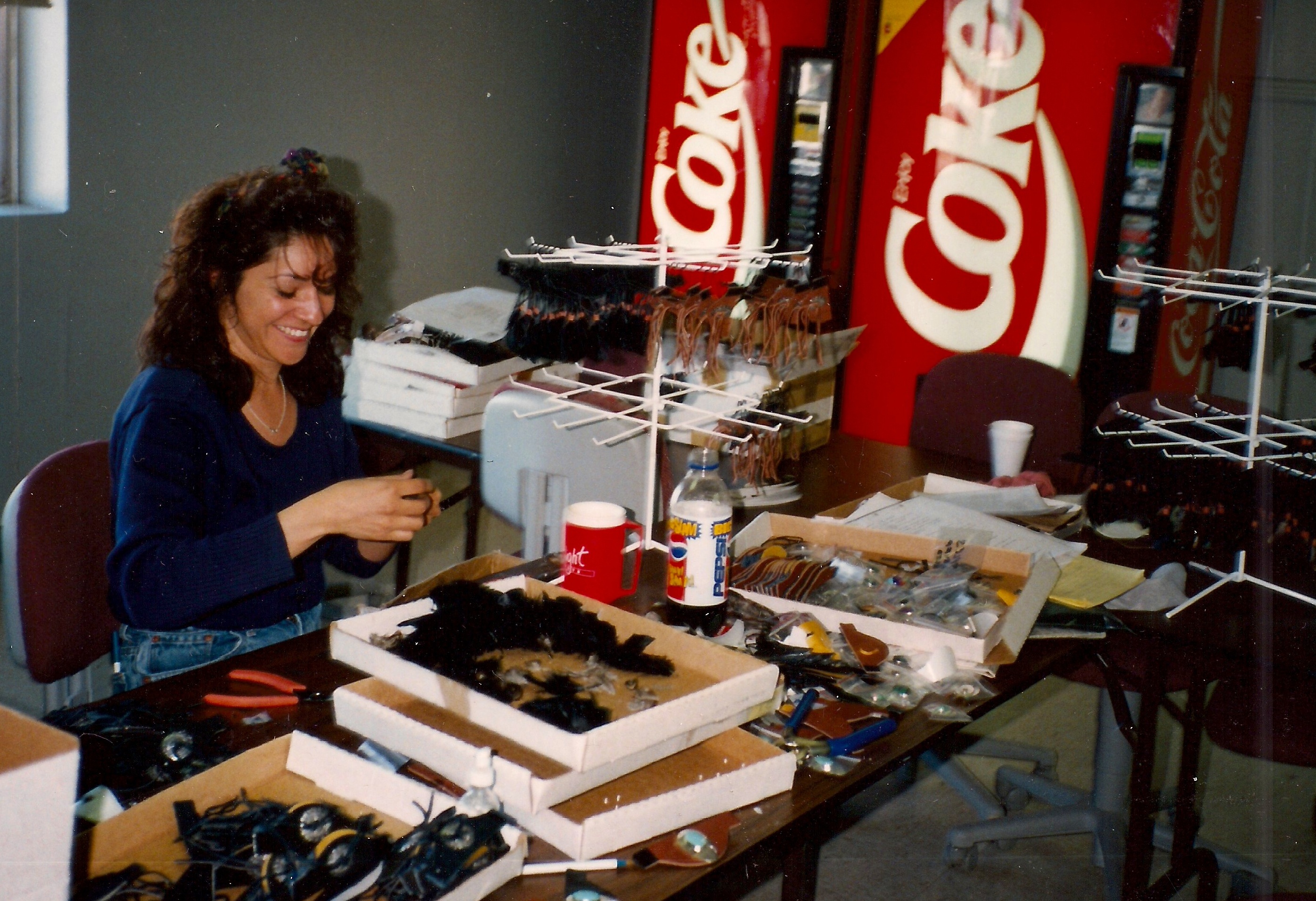
The factory in Zacatecas.

The operation called Luna Llena at its peak employed two shifts of 50 people. We had a bonded warehouse on the border in McAllen, Texas. The first shipment was a disaster, though. How the process works is simple. The idea is to send 10 straps, 10 beads and 10 feathers through customs in Mexico. Then the materials are assembled and the completed 10 pony tail holders are then shipped to the US warehouse.

The finished inventory didn’t match up with the raw materials list. After getting that workflow figured out, everything went smoothly.

One of the best things about Mexico is the time zones are the same as the US. I sometimes flew into Guadalajara or Zacatecas, but mostly flew into Mazatlan in the state of Sinaloa, hung around the beach for a few days then took the bus to Sombrerete. “Papers? We don’t need no stinkin’ papers!” I traveled uneventfully on a passport and a tourist visa for five years.

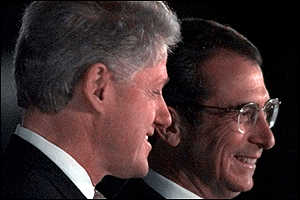
In 1997 President Clinton and the President of Mexico, Ernesto Zedillo signed an agreement hoping to stem illegal immigration and drugs from flowing to the US.

clinton zedillo

US President Clinton and El Presidente de Mexico Ernesto Zedillo

One of my business partners, Francisco,  was driving us from Sombrerete to Zacatecas in a beat up Toyota pickup with expired California plates. Just outside the town of Fresnillo we were stopped by an armed cadre of soldiers.

We were ordered out of the truck and handed over our papers. I had my US passport and the tourist visa from Mazatlan, which immediately caused problems.

Francisco and I were separated. He was worked over in Spanish and I was worked over in English. A third soldier emptied the truck and tossed my suitcase and repacked it. After an hour we were cleared to go, but not quite. My suitcase was again turned upside down and rechecked for contraband.

I was an illegal in central Mexico on a tourist visa from a coastal state.

They let us go.

I did go through the process to get a visa to work in Mexico. It’s not as big of a deal as it is in the US. I had to get a letter from my partner about the nature of our manufacturing work and took it to the Embassy for Mexico in Denver, pay $125 and I was granted a work visa.

There are plenty of isolationists, including Donald Trump, who want to close the US borders to immigrants – legal or illegal – who at the same time are against moving US jobs off shore.

I’m convinced that the best way to stem immigration from Latin America is for international companies from the US and elsewhere of all sizes to move there and create jobs for locals.

My gig in Sombrerete was good while it lasted.

What happened?

Francisco’s brother, Faustino, was the brains of the operation. He was the only guy among his group who spoke English and had a US visa. On his way to Colorado, he became very ill. Turned out he had cancer.

He moved himself and his extended family to Mexico City for better medical care and eventually died. Francisco moved the factory to Mexico City, which made a sense in a lot of ways and took the business in a different direction and sewed clothing.

I haven’t been back to Sombrerete or Mexico lately. Looking back, it was very isolating being the only English speaker for miles around. Communication was exhausting and I wore out a couple English – Spanish dictionaries.

I hear that Ecuador is now a big haven for expat Americans but I don’t think I’d want to live among them.