Unknown's avatar

About Alan O’Hashi, Whole Brain Thinker

I’ve been involved with community journalism since 1968 when I wrote for my junior school paper, the "Tumbleweed," through high school and college and then wrote for the "Wyoming State Journal." I put aside my newspaper pen and began Boulder Community Media in 2005. There wasn’t much community journalism opportunity, so I resurrected my writing career as a screenwriter. My first short screenplay, “Stardust”, won an award in the 2005 Denver Screenwriting Center contest. I've made a number of movies over the years. Filmmaking is time-consuming, labor and equipment intensive. I recently changed my workflow to first write a book and make a movie based on that content. - Electric Vehicle Anxiety and Advice - This is a memoir travelogue of three trips covering 2,600 EV miles around Wyoming (2022) - Beyond Heart Mountain - Winter Goose Publishers released my memoir in February (2022) - The Zen of Writing with Confidence and Imperfection - This is a book recounting how luck planed into my signing a book deal after a 15-minute pitch meeting. (2020) - True Stories of an Aging Baby Boomer - War stories about living in a cohousing and lessons others can learn when starting their communities (2021) - Beyond Sand Creek - About Arapaho tribal efforts to repatriate land in Colorado (PBS - TBA) - Beyond Heart Mountain - Based on my memoir about my childhood in Cheyenne facing overt and subtle racism toward the Japanese following World War II (PBS - 2021) - New Deal Artist Public Art Legacy - About artists who created work in Wyoming during the Great Depression (PBS - 2018) - Mahjong and the West - SAG indie feature which premiered at the semi-important Woodstock Film Festival (2014) Over the years, I’ve produced directed, filmed and/or edited several short movies, “Running Horses” (Runner Up – Wyoming Short Film Contest), “On the Trail: Jack Kerouac in Cheyenne” (Lowell Celebrates Kerouac Festival, Top 10 Wyoming Short Film Contest), “Gold Digger” (Boulder Asian Film Festival), “Adobo” (Boulder International Film Festival), “A Little Bit of Discipline” (Rosebud Film Series), and two feature length documentaries “Your Neighbor’s Child” (Wyoming PBS and Rocky Mountain PBS), and “Serotonin Rising” (American Film Market, Vail Film Festival). He also directed and produced the award winning stage play “Webster Street Blues” by my childhood friend Warren Kubota. Boulder Community Media is a non-profit production company dedicated to democratzing media in all their forms - large and small screens, printed page and stage by providing sustainable and community-based content. I mostly work with community-based media producers, organizations, and socially-responsible businesses to develop their content via – the written word, electronic and new media, the visual and performing arts in a culturally competent manner – I’m what’s commonly called a niche TV and movie producer. Along with all this is plying my forte’ – fund development through grant writing, sponsorship nurturing and event planning.

Dolly, Brothers and the Search for the Perfect Rib

Do you like BBQ like Dolly?

I discovered that Dolly Parton and I have one thing in common.
I’ve never considered myself much of a Dolly Parton fan. Nothing against Dolly. She’s had an extraordinary career, but I wouldn’t have expected to find a culinary connection with the Queen of Country Music.

Dolly likes smoked barbecue ribs.

Maybe it comes from her humble Eastern Tennessee roots. I don’t know that for sure, and I don’t pretend that every food preference Dolly has can be traced back to the Smoky Mountains.

BBQ has a place in her empire. Her theme park, Dollywood, serves smoked and barbecue dishes, and her dinner attractions turn a meal into part of the show.

So, Dolly, this one’s for you.

*******

Wet or dry?

I’m beginning a little series on BBQ ribs, because ribs are one of those foods I could eat far more often than is advisable.

Like Dolly, I prefer them smoked, and I prefer dry ribs.

There are two BBQ rib camps.

Wet ribs are finished with barbecue sauce. The sauce can be sweet, tangy, spicy, smoky, or some combination of all four. It gives the ribs a glossy coating and plenty of flavor.

My favorite is yellow sauce that includes mustard. The recipe originated in the Carolinas and the Florida Panhandle.

Dry ribs rely on the rub and the smoke. A mixture of spices, at least salt, pepper, paprika, garlic, onion, brown sugar, or other seasonings, is rubbed directly onto the meat before it goes into the smoker. The result is a darker, crustier exterior, with the smoke and seasoning doing most of the talking.

I like that.

If the meat has been smoked properly, why cover it up?

A good dry rib should taste like pork, smoke, and seasoning, and not like whatever happens to be the dominant ingredient in a bottle of barbecue sauce.

*******

Brothers from England, BBQ in Denver

Today’s ribs came from Brothers BBQ in Broomfield.

I had been fasting, and after leaving the doctor’s office, I didn’t have to travel far to find an early dinner. About two miles later, I sat down with a plate of ribs.

Brothers BBQ has an interesting history. I came across their first store at Monaco Parkway and Leetsdale Drive and struck up a conversation with them in 1998.

Chris and Nick O’Sullivan hailed from England but were raised in Denver. While traveling around the country, they stopped at barbecue joints everywhere they went, sampling regional traditions from Kansas City and Memphis to Texas and South Carolina.

Their style is essentially Colorado BBQ, a little bit of everywhere. That fits Denver, where people have arrived from just about everywhere else.

*******

The usual

I’m not much of an adventurous eater.

When I find something I like, I tend to stick with it. There is no need to scan the menu and take a chance.

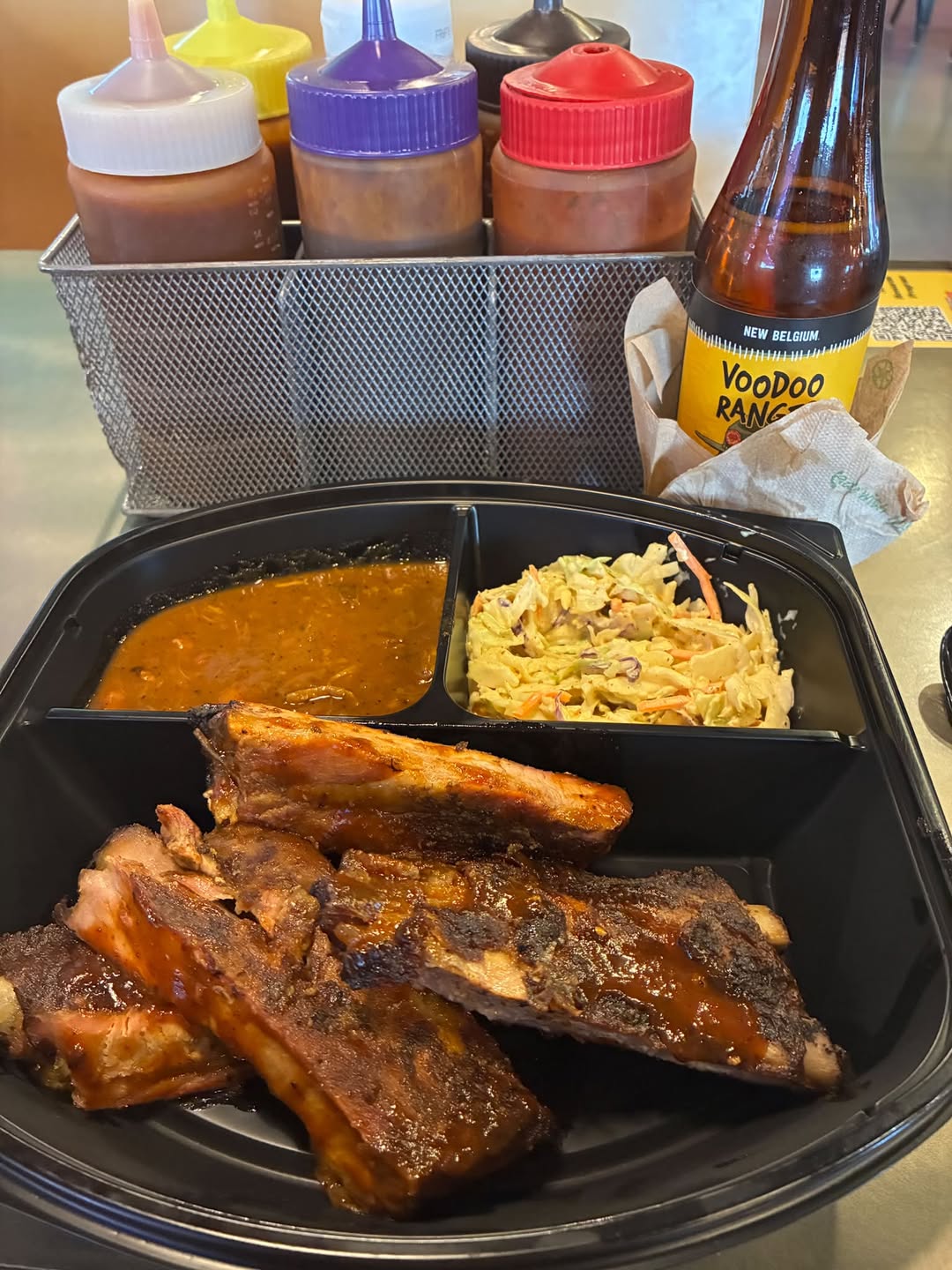
I ordered the rib special. Compared to other BBQ joints, Brothers serves huge Daddy Back ribs, rather than smaller Baby Back Ribs.

For sides, I went with baked beans and coleslaw. Instead of sweet tea, I bought a Voodoo IPA brewed by New Belgium up the road in Fort Collins.

The ribs arrived looking like ribs ought to look: smoked, seasoned, and ready to be attacked with my hands. I go through a lot of napkins.

This is one of barbecue’s great advantages. It doesn’t require much ceremony.

Pick up rib.

Eat rib.

Repeat.

*******

The $23 special

There was a time when ribs were associated with inexpensive food, the kind of thing working people could cook slowly and feed a family without spending a fortune.

That isn’t the case anymore.

My rib special, a beer, sides, and tip came to about $23.

That’s not unusual for BBQ these days. The once simple pork rib has joined the ranks of foods that can make a respectable dent in the wallet.

I suppose that’s what happens when something once considered ordinary becomes an American culinary art form.

People now debate barbecue the way wine people debate grapes.

Texas or Kansas City?

Memphis or Carolina?

Wet or dry?

Hickory or oak smoke?

The server brought over a condiment rack with three kinds of sauce on the side.

*******

Smoke beats my backyard grill.

I try my hand at grilling ribs from time to time.

Every once in a while I’ll buy a rack and throw it on the grill. I get reasonably good results, but the flame burns off most of my rub. My version is edible, and it makes me appreciate restaurants that know what they’re doing.

I haven’t managed to duplicate the flavor of properly smoked ribs. My upstairs neighbor is from Florida and has a smoker. I should collaborate more with him.

Time is an ingredient, too.

You can’t hurry good BBQ. The meat has to sit there and absorb the smoke while connective tissue slowly breaks down and the exterior develops that beautiful crust.

That’s the magic of barbecue.

Fire does the cooking.

Time does the work.

Smoke and rub supply the personality.

Dolly and me

Now, every time I eat ribs, I’ll think about Dolly Parton, except when I hear “Jolene.”

I may not have listened to enough Dolly Parton songs over the years, but we agree that ribs should be smoked.

BBQ doesn’t care about your roots.

Dolly came from the hills of East Tennessee.

The O’Sullivan brothers came from England and traveled America looking for BBQ.

I came from Wyoming and eat ribs wherever I happen to be.

Different roads. Same destination.

Put a rack of ribs in the smoker and don’t mess with it too much.

Dolly, I’m with you on this one.
MapQuest vs. Google Maps: A Personal Journey Through Navigation

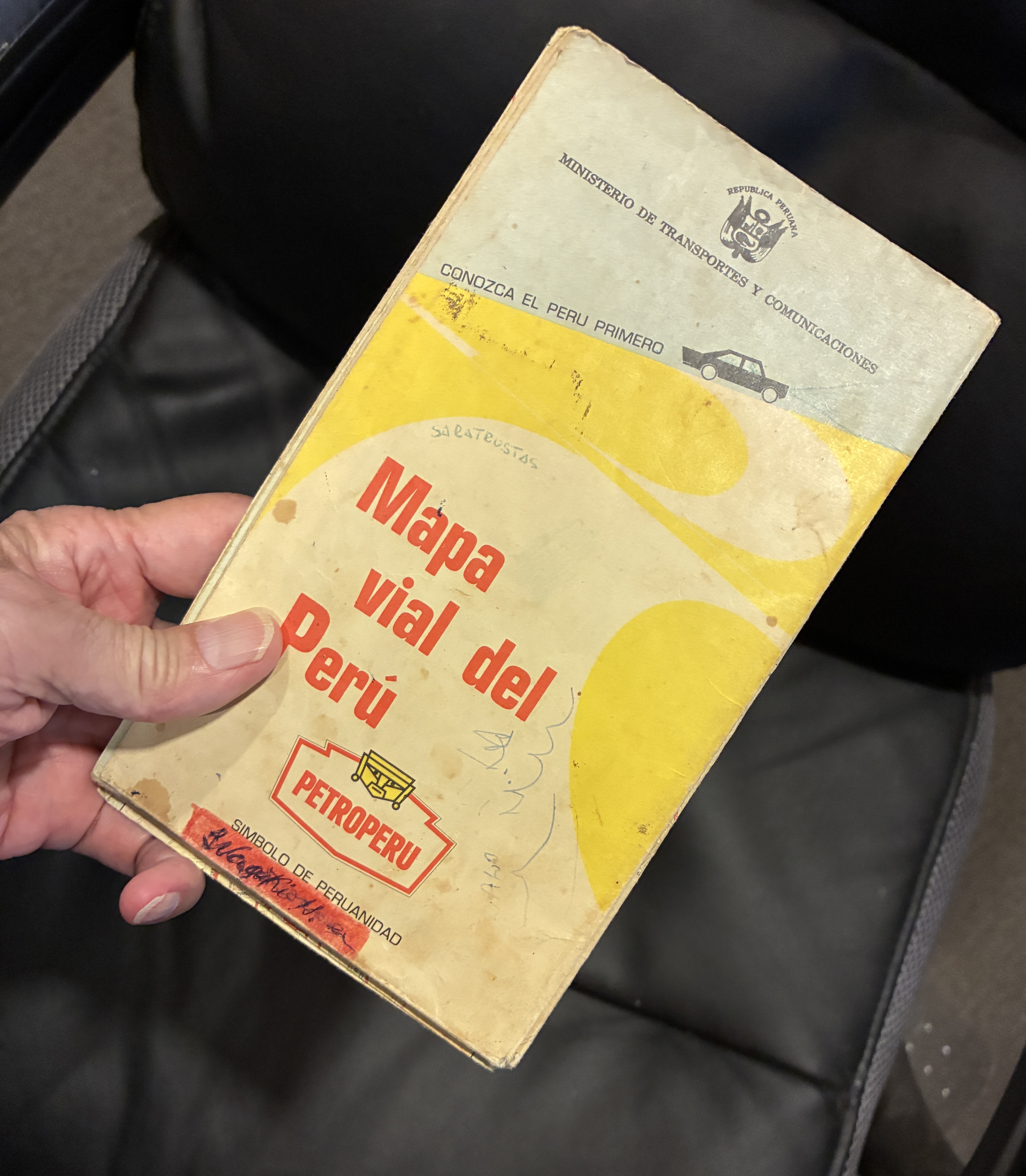
I remember when navigation meant opening a paper map and hoping I could refold the creases in the right order so the rectangular map would fit back in the glove box.

I used to keep road maps in the car. Rand McNally kept me company. AAA travel agents walked me through the maps and helped plan my route.

On family vacations, my dad stopped along the way, unfolded the map across the hood, and tried to figure out where we were.

In the 1960s, cities expanded, roads changed, and maps quickly fell out of date. Countries change names. Borders move. Entire countries disappear.

Columbus dealt with a similar problem, although his maps had considerably more blank space than mine. On his first voyage in 1492, he charted islands and coastlines in the Caribbean, adding information to the European maps. Early explorers thought they had reached Asia.

Maps have always been snapshots of what somebody thought the world looked like at a particular moment.

Africa provides plenty of examples. The Gold Coast became Ghana. Northern Rhodesia became Zambia. Southern Rhodesia became Zimbabwe. The Belgian Congo became Zaire, then the Democratic Republic of the Congo. Those changes reflected independence, revolution, political change, and the rejection of colonial names.

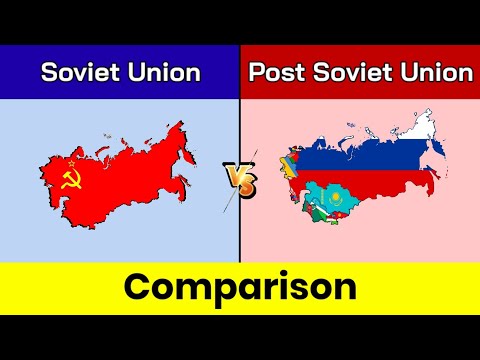
Then the Soviet Union became the mother of all map revisions. If you owned a map of the USSR in 1990, you had a collectible.

In 1991, the Soviet Union disappeared, and 15 independent countries emerged from its former republics. Russia, Ukraine, Belarus, the Baltic states, the Central Asian republics, and others became countries rather than chunks of a giant red blob.

Imagine being the guy at the map company who got that phone call.

“Hey, Bob. You know that giant country we’ve been printing for 40 years?”

“Yeah.”

“Well, it isn’t there anymore.”

“Great. I’ll call the printer and see if we can cancel that last order.”

The world’s constant change is one reason digital maps make so much sense. Digital maps can be updated overnight.

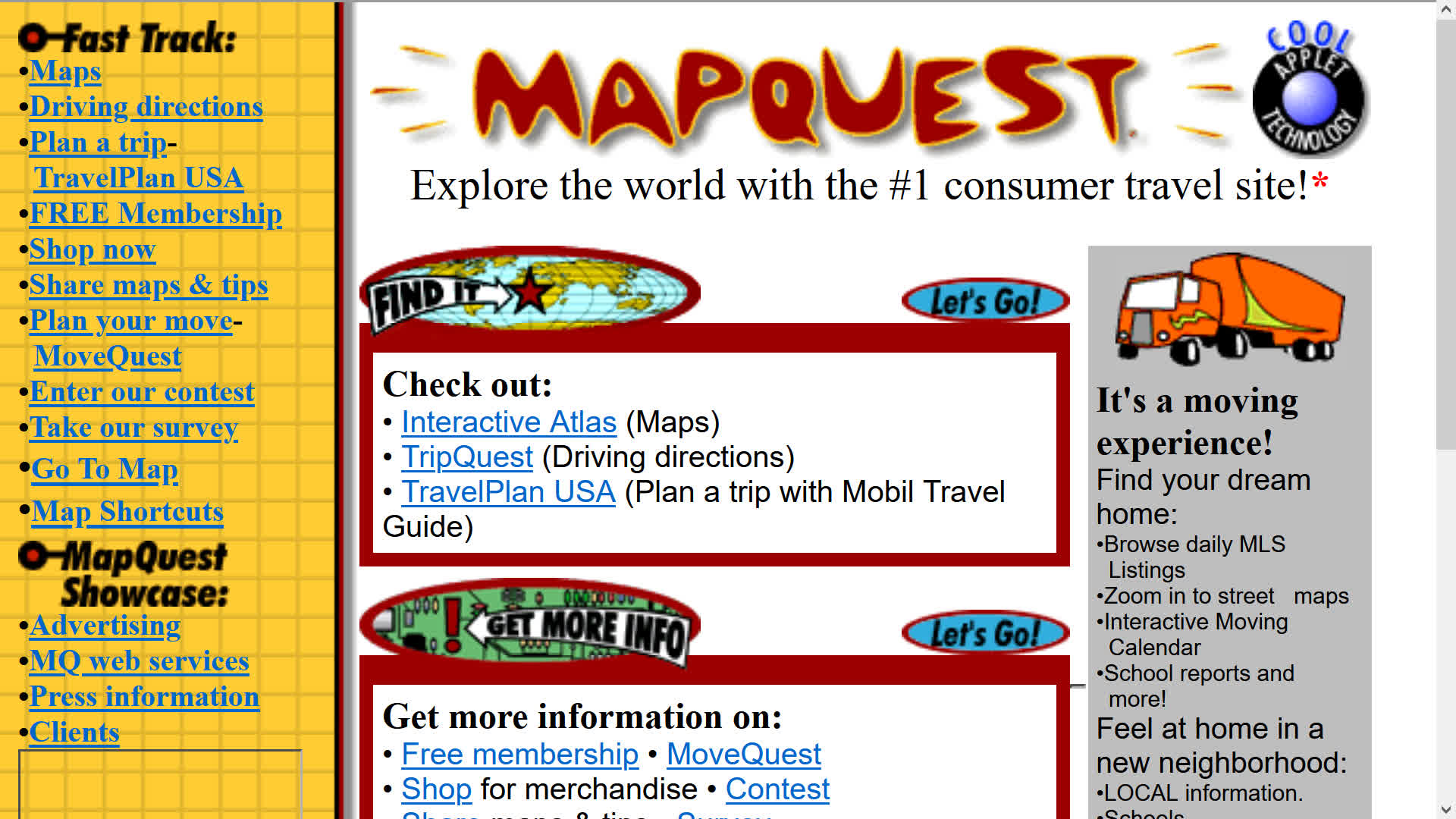
Then MapQuest came along.

MapQuest moved the old business of producing maps and driving directions online. In 1996, it launched its web mapping service and became a pioneer of online interactive maps and driving directions. I could access MapQuest on my Palm Treo. I had to write down the driving directions, though.

In the early 2000s, MapQuest gave up its top spot to predatory Google Maps and Apple Maps. Between the two of them, they turned everybody’s phone into a dashboard navigator.

I used them both until today, when I went back to MapQuest.

There’s a reason.

In January 2025, the federal government renamed the Gulf of Mexico as the Gulf of America. The Interior Department updated the federal Geographic Names Information System and directed federal agencies to use the new name. The United States couldn’t make the rest of the world change its maps.

Then in 2026, the government changed Lake Ontario’s name to Lake America.

Google Maps and Apple Maps changed their digital maps. U.S. users see Gulf of America, while users in Mexico and Canada see Gulf of Mexico and Lake Ontario, respectively.

That’s when I decided I’d had enough and switched over to MapQuest. I’m a simple fellow and don’t like change.

It turns out MapQuest didn’t go along with the Lake America or Gulf of America renames. The OG digital map appealed to me again.

I like the idea that my navigation app won’t make me relearn geography.

At least for now.

This creates a new problem if MapQuest changes its mind.

My solution?

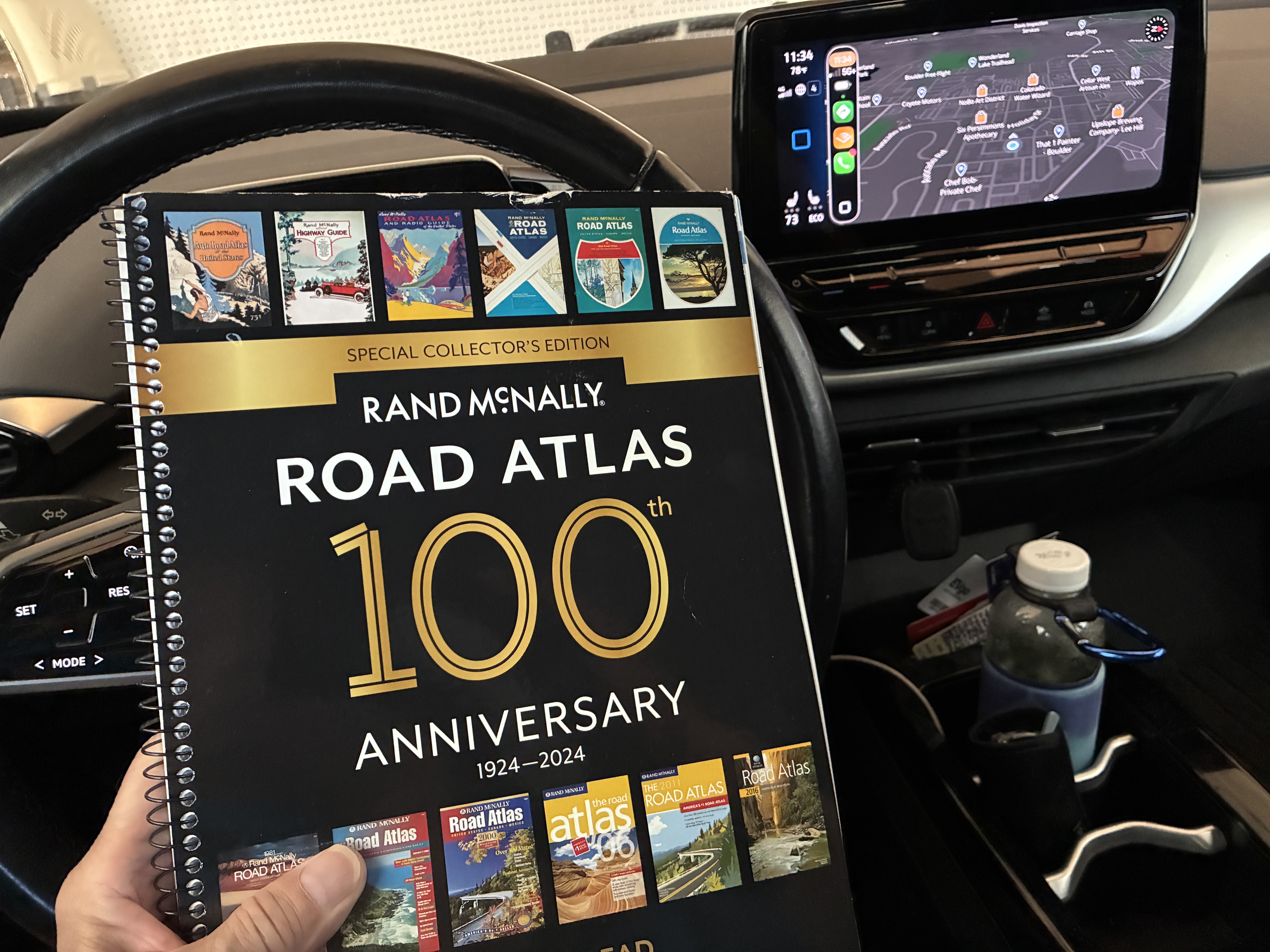
I keep an out-of-date hard-copy Rand McNally road atlas in the pocket behind the driver’s seat, where nobody can update it while I’m driving.

While driving through the middle of nowhere, I had no cell service in eastern Colorado. The apps didn’t work. I pulled into a truck stop.

No maps.

Walmart had one.

If everything else fails, I’ll pull over, get out the atlas, stare at it for five minutes, and pretend I know where I am.

I get curious when I research my stories.

Rand McNally began in Chicago when printer William H. Rand hired Irish immigrant Andrew McNally in 1858. The company began as a traditional printing company.

In 1924, Rand McNally published the “Auto Chum,” which evolved into the road atlas that became essential reading for generations of American motorists.

‘What the Morning Brings,’ an homage to Hemingway

Are you a Hemingway fan? Check out my book!

Paris to Boulder, and Pamplona to Cheyenne: Reimagining a Hemingway Classic

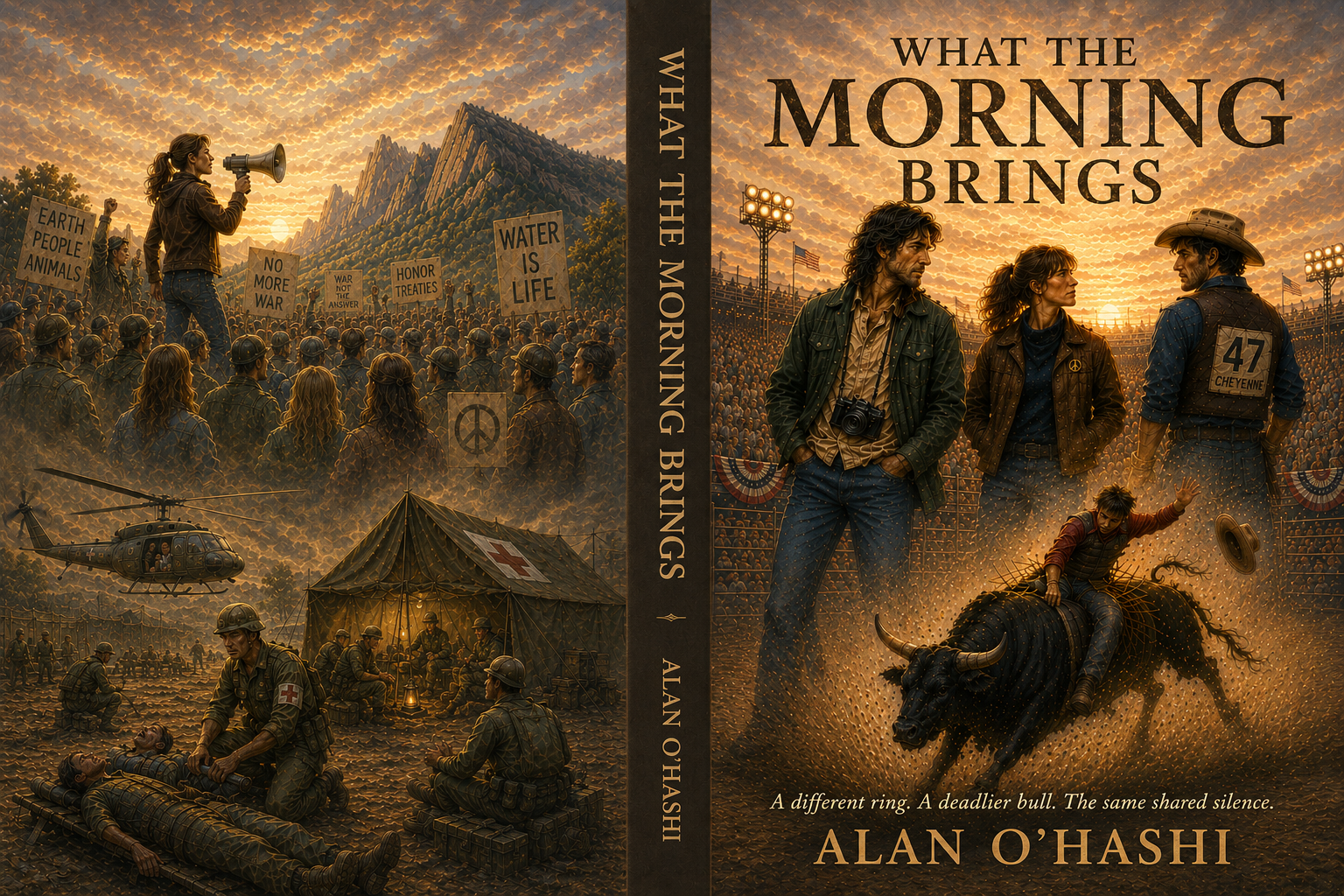
Some books begin as an idea. Others begin as a conversation across generations. “What the Morning Brings” is a part of “The Libby Flats Saga” series. So far the Saga consists of three stories beginning with “The Gathering at Libby Flats” and “Vengeance! at Stone Creek.”

Best Chance Media released my historical fiction novel, “What the Morning Brings.” It’s fitting that the book comes out this month, since July 22nd is Ernest Hemingway’s birthday.

I adapted Hemingway’s classic “The Sun Also Rises,” which entered the public domain in 2022. Rather than retelling the story, I reimagined it for a different generation facing a different war.

Hemingway’s characters sought refuge in the cafés of post-World War I Paris. My characters find themselves in Boulder, Colorado, during the turbulent years of the Vietnam War. The antiwar movement gains momentum. Young people question authority. Veterans return home carrying wounds that aren’t always visible.

Jake Barnes, a Vietnam veteran and newspaper photographer, and Brett Ashley, a former military nurse turned antiwar activist, are at the center of the story. Like many people of their generation, they are searching for meaning in a world that no longer makes sense.

The story eventually leaves Boulder for Wyoming. In Hemingway’s novel, the climax unfolds during the Running of the Bulls and the bullfights of Pamplona, Spain. In “What the Morning Brings,” the action moves to Cheyenne and the Wild Prairie Stampede, where a fateful bull ride changes lives forever.

The novel explores friendship, love, loss, resilience, and the struggle to find one’s place in a rapidly changing America. While inspired by a literary classic, it’s also a story of the American West, the Vietnam era, and the people who lived through it.

As a writer and documentary filmmaker, I’ve long been fascinated by how history shapes individual lives. “What the Morning Brings” allowed me to revisit a pivotal period in American history while paying tribute to one of literature’s most enduring novels.

If you’d like to be among the first readers, autographed copies are now available. They cost more, but purchasing directly helps support independent publishing and allows me to personally sign each book before it ships. You can also order from your local bookstore or online retailer.

Thank you to everyone who has followed my writing journey. I look forward to sharing this new story with you.

Purchase your autographed copy today and join me on a journey from the streets of Boulder to the rodeo grounds of Cheyenne, where the promises of youth collide with the realities of war, love, and fate.

https://bouldercomedia.gumroad.com/l/whatthemorningbrings